
válvulas de globo
-
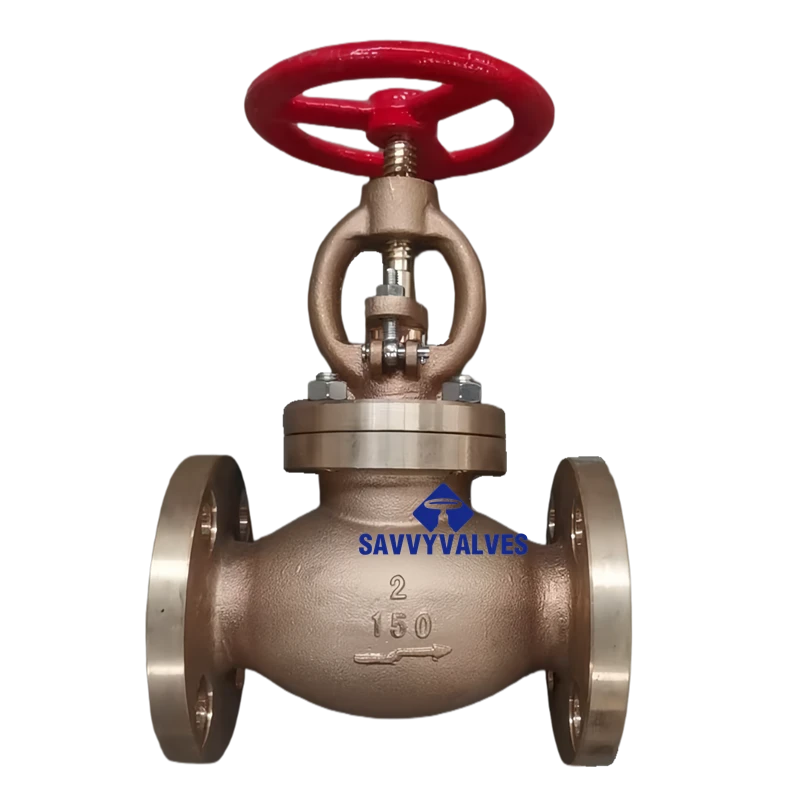 Pressure Rating 150 WOG / 150 SWP (200 PSI Steam)
Temperature Range -20°F to 550°F (-29°C to 288°C)
Size Range ¹⁄₄” to 4″ (DN8 to DN100)
End Connections Screwed (NPT) / Flanged
Seat Leakage API 598, Class VI (Metal-to-Metal) -
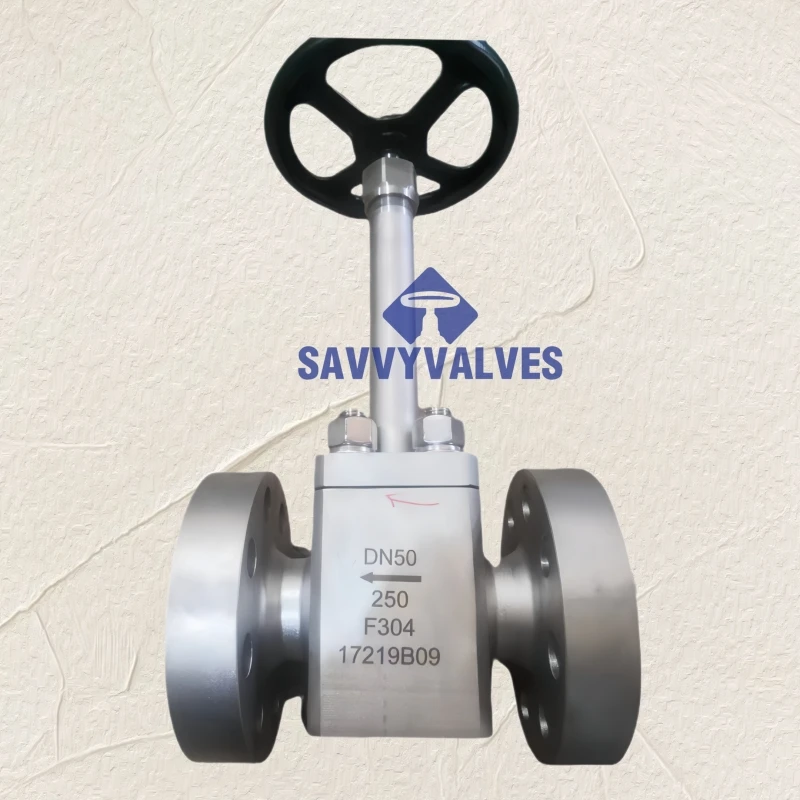 LA FOTO MUESTRA LAS ESPECIFICACIONES A CONTINUACIÓN
TAMAÑO: DN50
CLASIFICACIÓN: PN250
FIN: RF SEGÚN ASME B16.5
TEMPERATURA: -196 ℃
CUERPO Y BONETE: ASTM A182 F304
CUÑA: SÓLIDA ASTM A182 F304+HF
VÁSTAGO: ASTM A182 F304
ASIENTO: HF METAL
ACCIONAMIENTO: VOLANTE
-
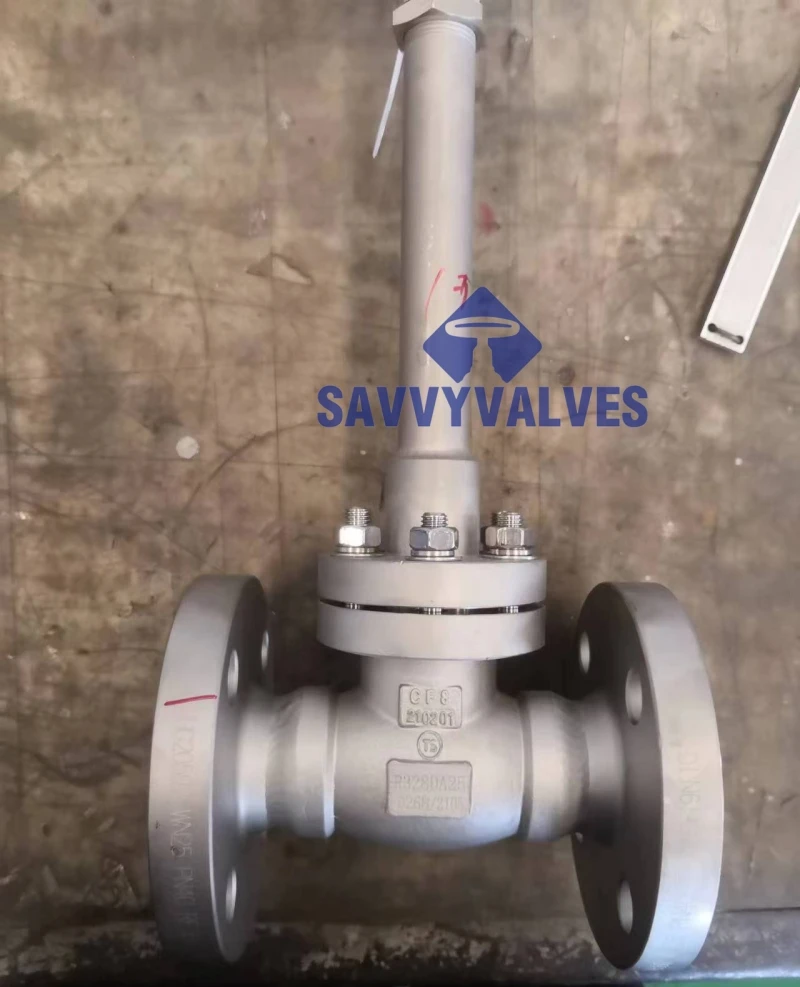 LA FOTO MUESTRA LAS ESPECIFICACIONES A CONTINUACIÓN
TAMAÑO: 3″
CLASIFICACIÓN: 300 LB
FIN: RF SEGÚN ASME B16.5
TEMPERATURA: -196 ℃
CUERPO Y BONETE: ASTM A351 CF8
CUÑA: SÓLIDA ASTM A182 F304+HF
VÁSTAGO: ASTM A182 F304
ASIENTO: HF METAL
ACCIONAMIENTO: VOLANTE
-
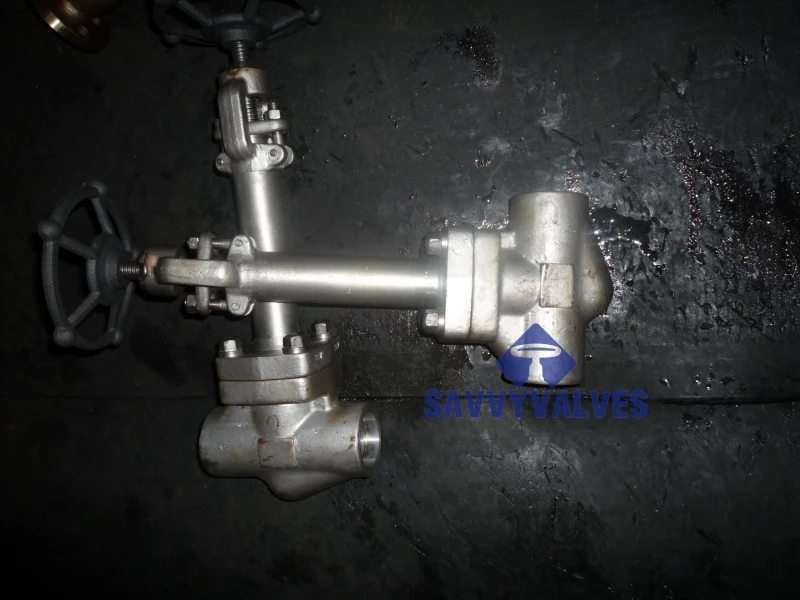 LA FOTO MUESTRA LAS ESPECIFICACIONES A CONTINUACIÓN
TAMAÑO: 1″
CLASIFICACIÓN: 800LB
FINAL: SW SEGÚN ASME B16.11
TEMPERATURA: -196 ℃
CUERPO Y BONETE: ASTM A182 F304
CUÑA: SÓLIDA ASTM A182 F304+HF
VÁSTAGO: ASTM A182 F304
ASIENTO: HF METAL
ACCIONAMIENTO: VOLANTE
-
 LA FOTO MUESTRA LAS ESPECIFICACIONES A CONTINUACIÓN
TAMAÑO: DN80
CLASIFICACIÓN: PN16
FIN: RF SEGÚN ASME B16.5
TEMPERATURA: -29 ℃ ~ 425 ℃
CUERPO Y BONETE: ASTM A351 CF8
DISCO: SÓLIDO ASTM A182 F304+HF
VÁSTAGO: ASTM A182 F304
ASIENTO: HF METAL
ACCIONAMIENTO: VOLANTE
-
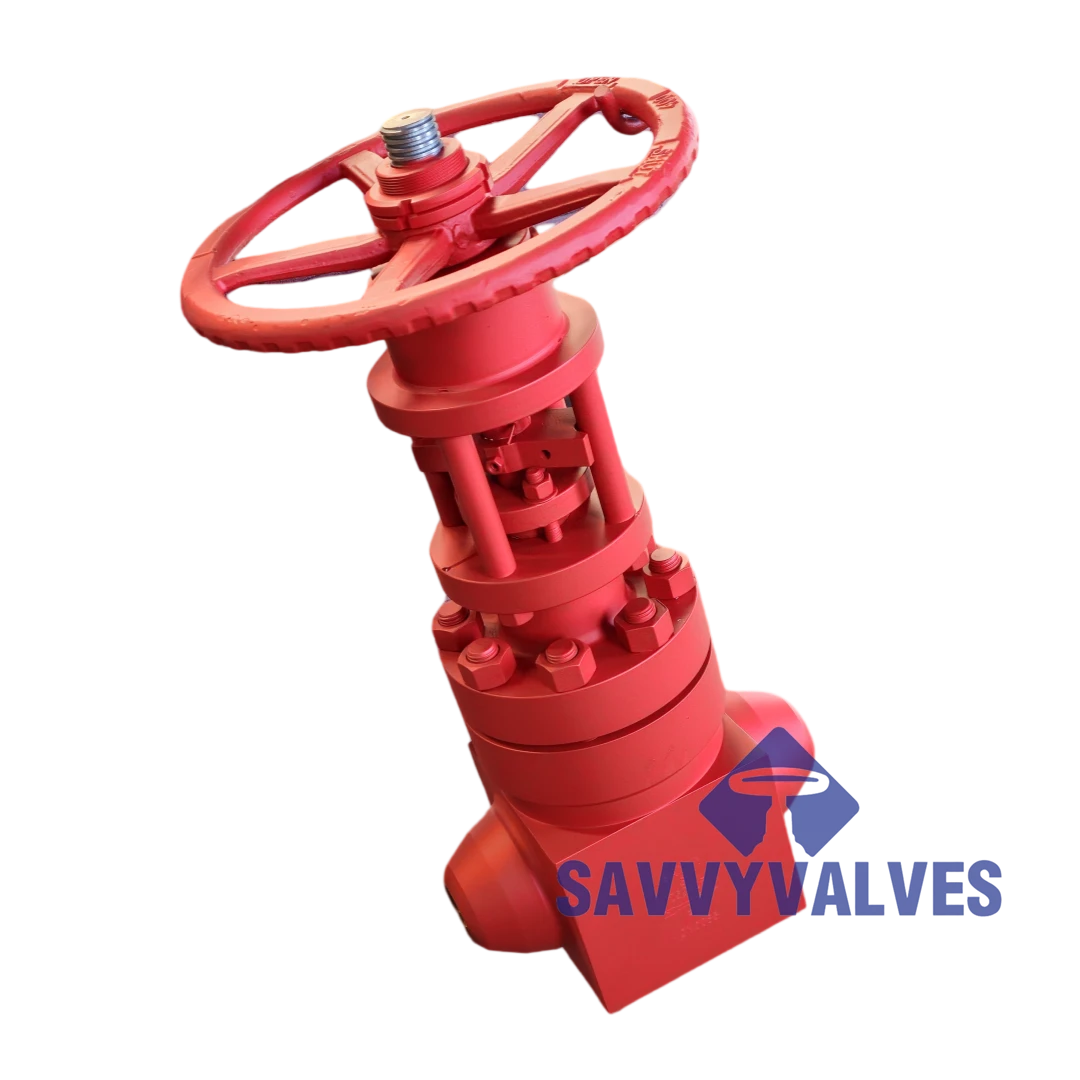 Breve:
Tamaño: 3″
Clasificación: 2500LB
Materiales:
Cuerpo y bonete ASTM A182 F11
ASTM A182 F11+stellite 6 Disco
Vástago ASTM A182 F6A
Asiento con carrocería superpuesta de Stellite 6
Operador: volante
Extremos: BW según ANSI B16.25
-
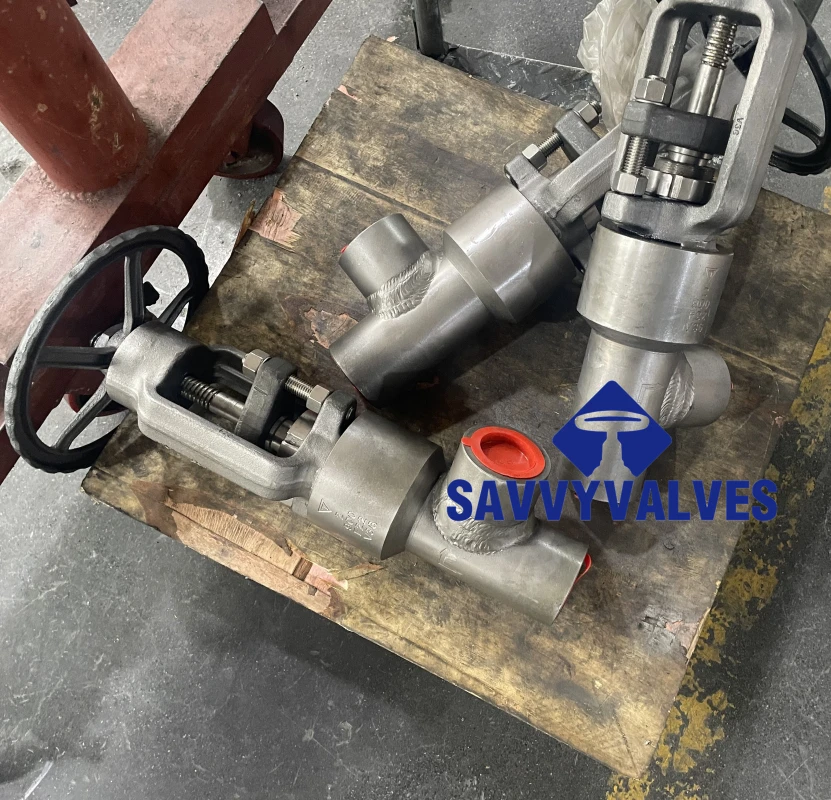 Valve Type Y-Pattern Globe Valve
Connection Type Butt Weld Ends (BWE)
Size 2 inch (DN50)
Pressure Class ASME 900LB (Class 900)
Design Standard ASME B16.34
Temperature Range -29°C to +593°C -
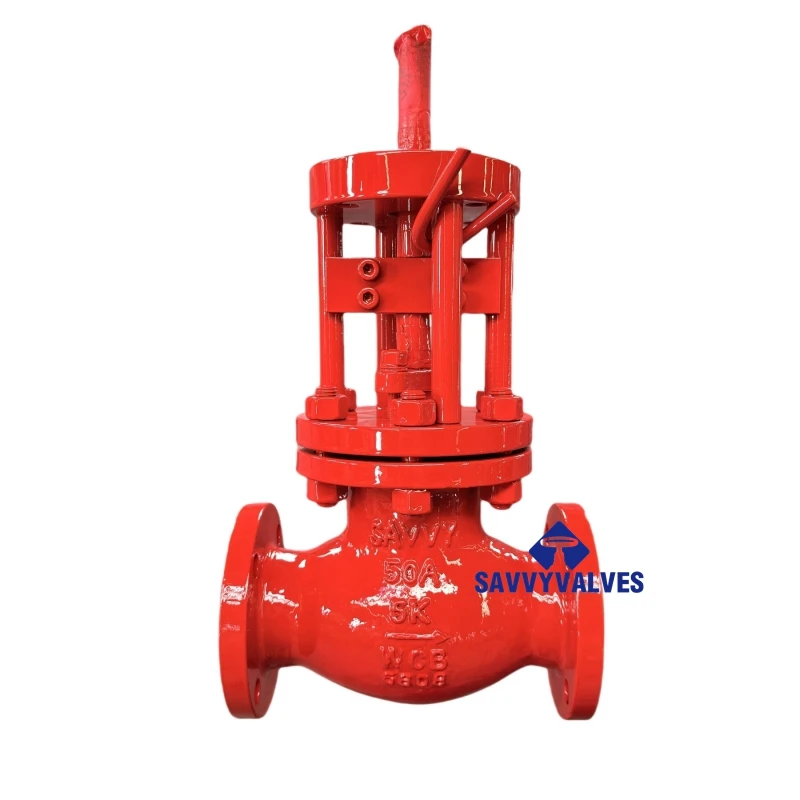 Tamaño: 50A
Clasificación de presión: JIS 5K (cumple con JIS B2071) -
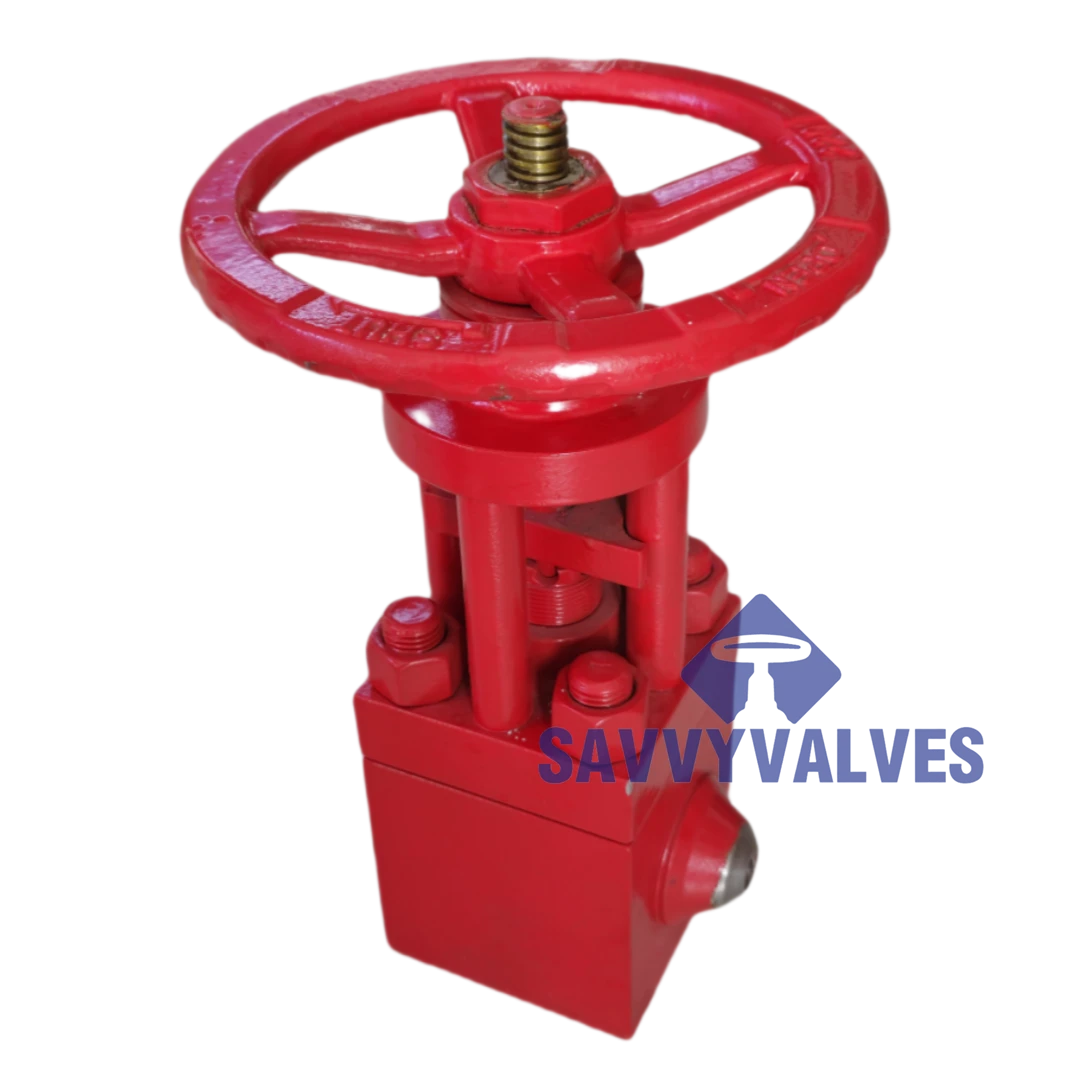 Breve:
Tamaño: 1/2″
Clasificación: 4500LB
Materiales:
Cuerpo y capó ASTM A105
ASTM A105 + estelita 6 Disco
Vástago ASTM A182 F6A
Asiento con carrocería superpuesta de Stellite 6
Operador: volante
Extremos: BW según ANSI B16.25
-
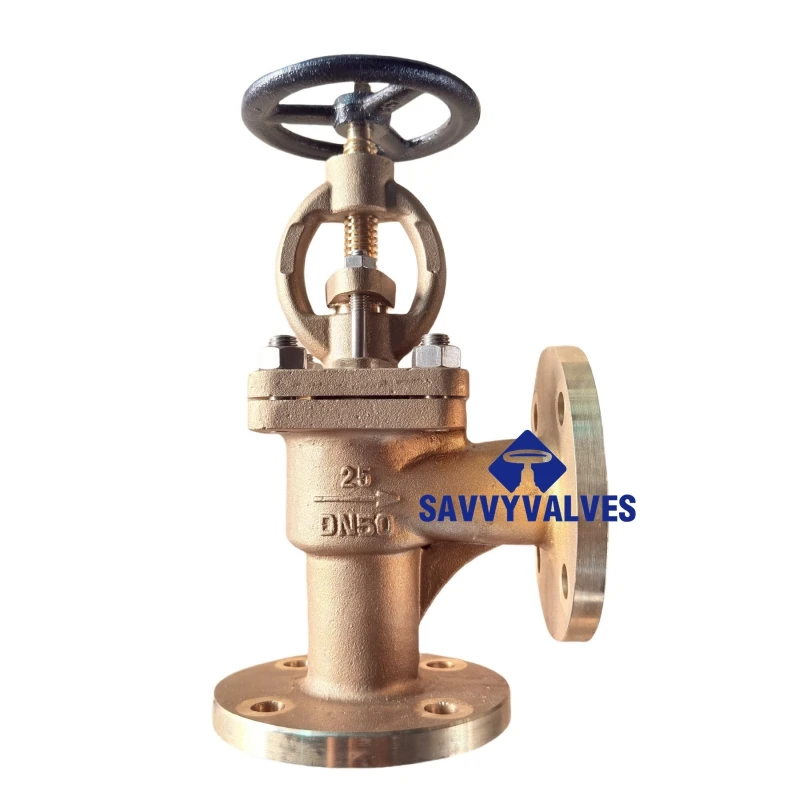 Tamaño: DN50
Clasificación de presión: PN25
Materiales clave: Cuerpo, bonete, disco, vástago, asiento: ASTM B148 C95800 (bronce de níquel-aluminio)
Operador: Manual (operado con volante)
Extremo de conexión: RF (cara elevada)
Configuración: Disco antirretorno atornillado (SDNR) con patrón angular
Acabado de la superficie: arenado
Rango de temperatura de funcionamiento: -29 °C a 425 °C
-
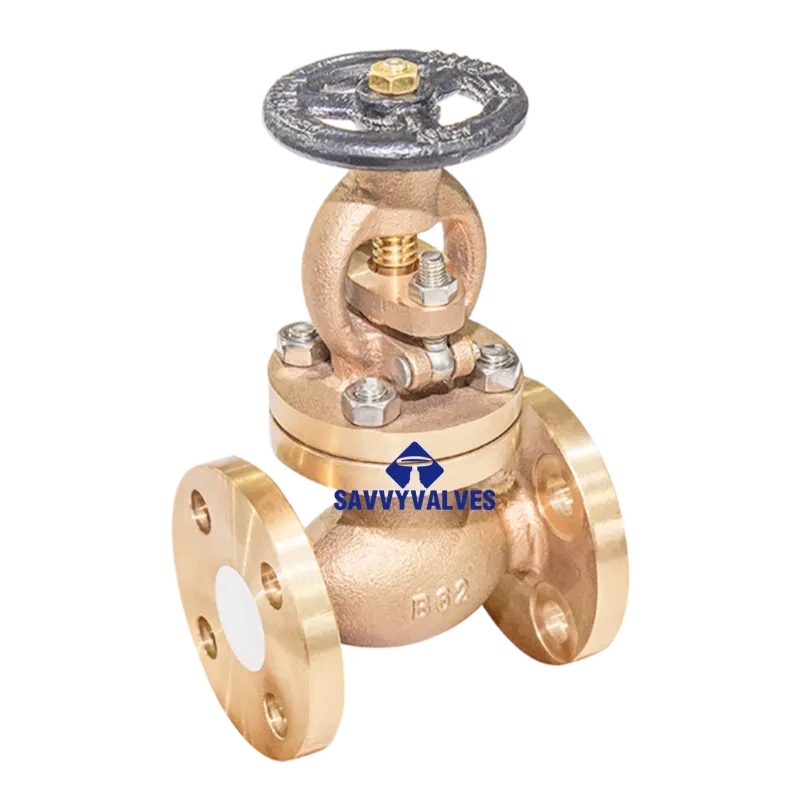 Product Name Aluminum Bronze Flanged Globe Valve
Nominal Size 3/4 inch (DN20)
Pressure Class Class 150 LB
Connection Type Flanged, Raised Face (RF)
Operation Handwheel (Manual)
Applicable Media Seawater, Steam, Water, Oil, & Non-corrosive Fluids
Temperature Range -20°C to 220°C
-
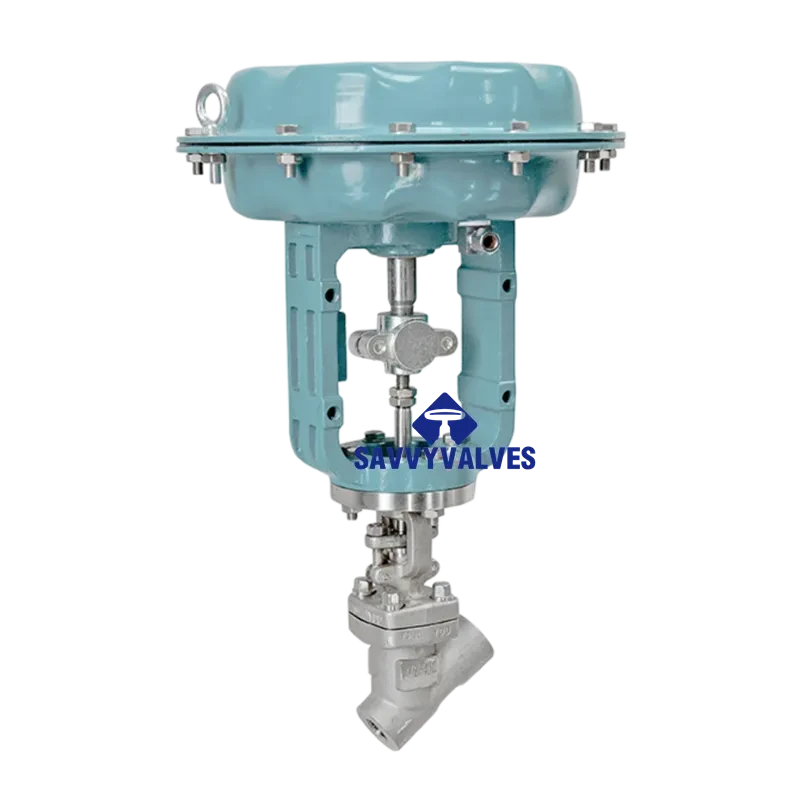 Size 1/2 inch (DN15)
Pressure Class Class 300 LB (PN50 / 720 PSI)
Body Material Forged Carbon Steel (A105) / Forged Stainless Steel (A182 F304/F316) User specified
Manufacturing Process Forged Steel (Close Die Forged)
Design Standard ASME B16.34 / API 602 / BS 5352
End Connection Standard ASME B1.20.1 (NPT) / ASME B16.11 (SW) / ASME B16.25 (BW)
A globe valve is a linear motion valve primarily used to start, stop, and regulate fluid flow in a pipeline. Its internal structure includes a movable disk-type element and a stationary ring seat in a generally spherical body—hence the name "globe" valve. When the actuator or handwheel is turned, the stem moves the plug up or down, altering the flow path and providing throttling control. This design offers a good shutoff capability and is well-suited for applications where precise flow regulation is required. Due to the tortuous flow path, globe valves tend to have higher pressure drops than other types, but they compensate with excellent control accuracy. They are often used in chemical processing, power generation, and oil and gas systems where controlled flow and tight sealing are essential. Globe valves can handle various fluids including steam, water, oil, and gas, and are available in manual, pneumatic, or electric actuation versions. Their versatility and dependable operation make them a top choice for systems requiring modulation or frequent operation.


 Spanish
  English
  Arabic
  Azerbaijani
  Czech
Czech  Dutch
Dutch  French
  German
  Indonesian
  Italian
  Japanese
  Korean
  Malay
Malay  Persian
  Polish
  Portuguese
  Russian
  Thai
Thai  Vietnamese