
válvulas criogénicas
-
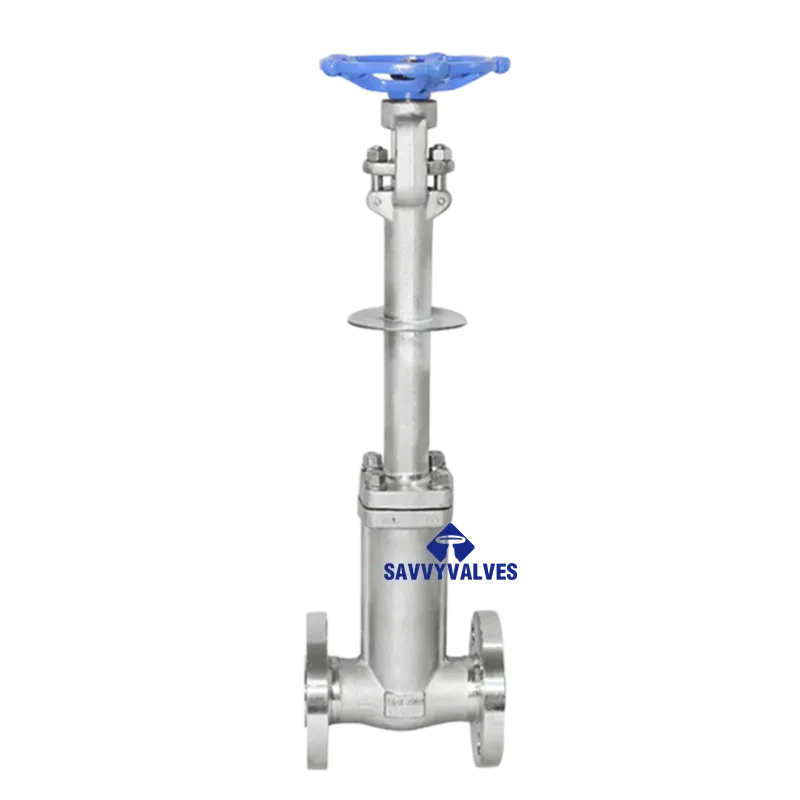
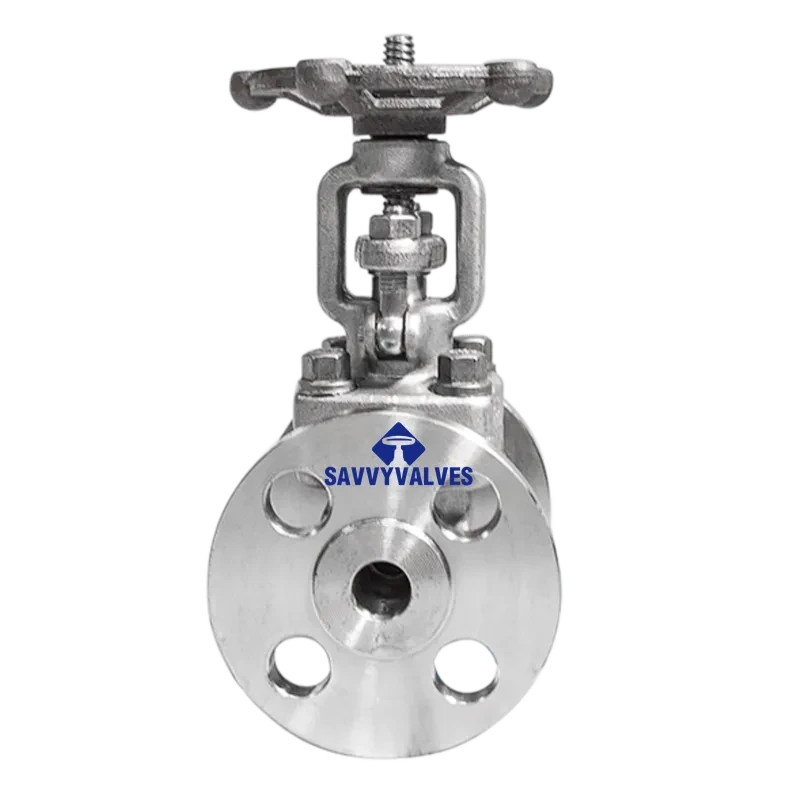 Valve Type Gate Valve (Bolted Bonnet, Rising Stem, Bellows Seal)
Nominal Size 1/2 Inch (DN15)
Pressure Rating Class 300 LB (PN50)
End Connection Butt-Weld Ends (BW) per ASME B16.25
Body Material ASTM A182 F316L (Austenitic Stainless Steel)
Design Standard API 602 / ASME B16.34 / BS 5352
-
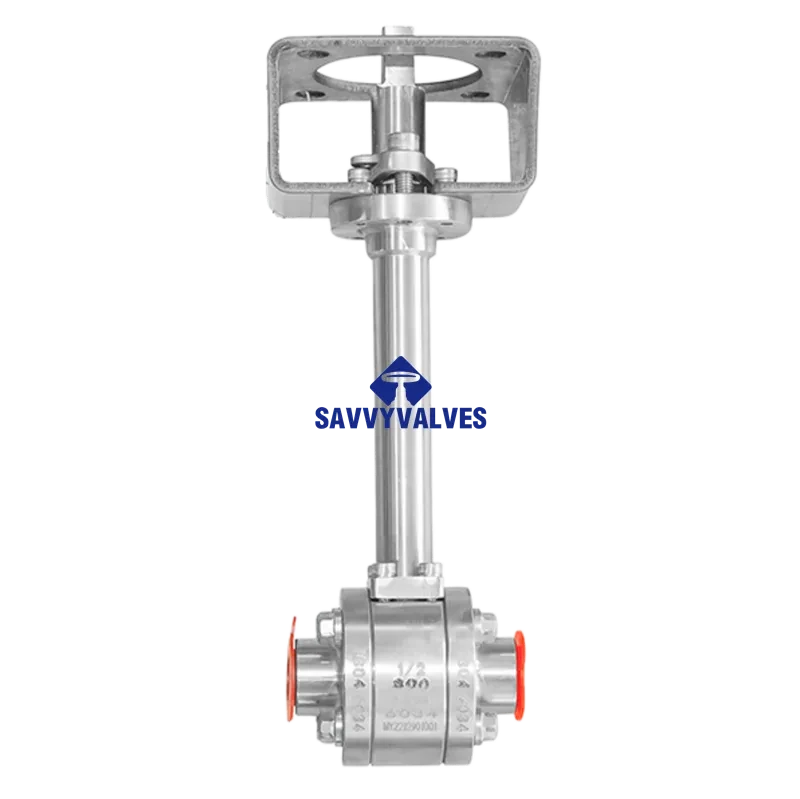 Size 1/2 inch (DN 15)
Pressure Class Class 800 LB (PN 130)
Body Material Stainless Steel (ASTM A182 F304 / F316 / F316L)
Manufacturing Process Close Die Forged / Open Die Forged
Design Standard ASME B16.34 / API 608 / API 6D / BS 5351
End Connection Standard ASME B1.20.1 (NPT Thread) / ASME B16.25 (BW) / ASME B16.11 (SW)
Face to Face Standard Manufacturer Standard / ASME B16.10
Test & Inspection Std. API 598 / ISO 5208 / BS 6364 (Cryogenic Test)
Fire-Safe Design API 607 / ISO 10497 (Optional)
Fugitive Emission ISO 15848-1 (Optional)
-
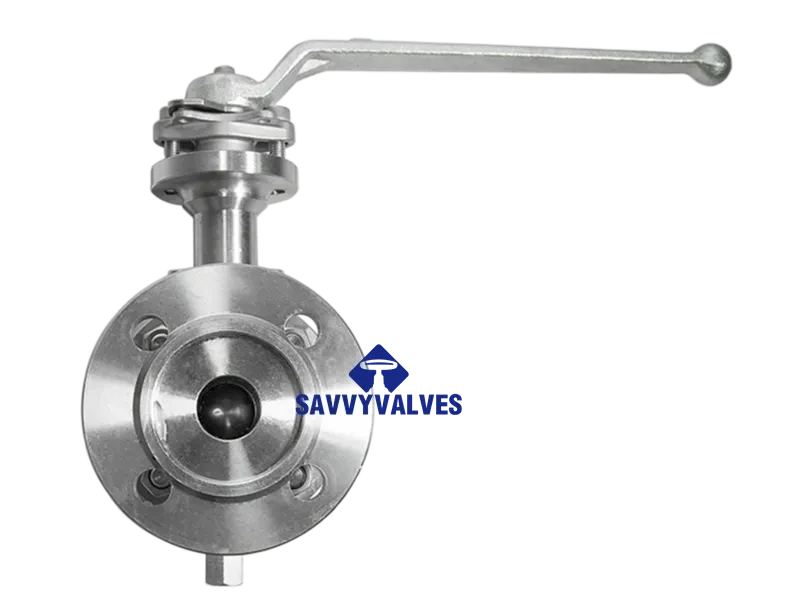 Nominal Size DN25 (1″)
Pressure Rating PN16 (Class 150)
Valve Type 2-Piece Floating Ball Valve
Body Construction 2-Piece (Body + End Cap)
End Connections Flanged (EN 1092 1 PN16) / Threaded (ISO 7 1 / NPT) / Socket Weld
Temperature Range –196°C ~ +80°C (for cryogenic service)
Suitable Media LNG (Liquefied Natural Gas), LPG, liquid nitrogen, liquid oxygen, liquid argon, ethylene, and other cryogenic fluids
Fire Safe Design API 607 / ISO 10497 (optional)
-
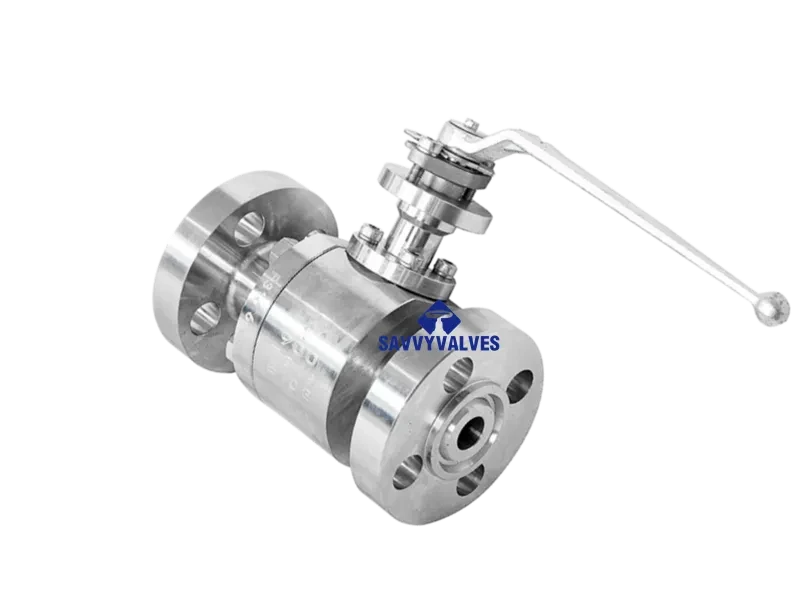 Product Name Cryogenic Floating Ball Valve
Nominal Size 1 inch (DN25)
Pressure Class Class 900 LB
Connection Type Flanged, Ring-Type Joint (RTJ) as per ASME B16.5
Operation Manual Lever / Gearbox (Optional)
Applicable Media LNG, LO2, LN2, LAr, Ethylene, Other Cryogenic Fluids
Design Temperature -196°C to +80°C (Cryogenic Service)
-
 Design & Manufacturing BS 6364 (Specification for valves for cryogenic service) , API 600, ASME B16.34, GB/T 44916
Face-to-Face Dimensions ASME B16.10
Flange Connection ASME B16.5 (Class 300 LB)
Pressure-Temperature Rating ASME B16.34
Testing & Inspection BS 6364, API 598, ISO 5208, GB/T 24925
-
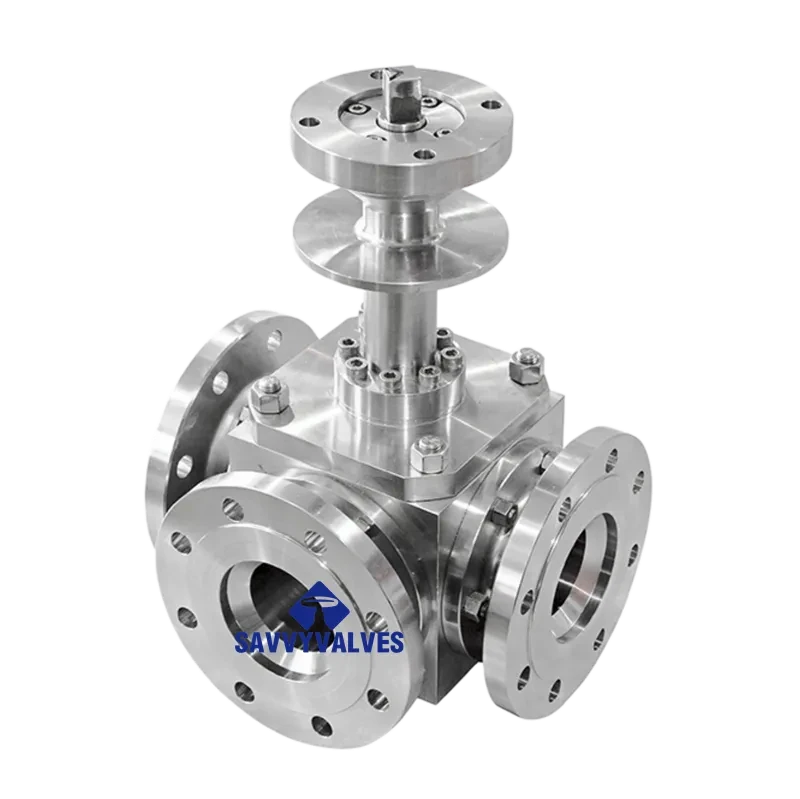 Size 2 inches (DN50)
Pressure Class Class 300 LB (PN50 / 750 PSI)
Body Material Stainless Steel (ASTM A182 F304 / F316 / F316L)
Manufacturing Process Forged Steel / Cast Steel (depending on manufacturer)
Design Standard API 6D / ASME B16.34 / BS 6364 (Cryogenic)
End Connection Standard ASME B16.5 (Flanged RF) / ASME B16.25 (BW) / ASME B1.20.1 (NPT)
Face to Face Standard ASME B16.10
Test & Inspection Std. API 598 / BS 6364 (Cryogenic Test)
Fire-Safe Design API 607 / API 6FA (Optional)
Fugitive Emission ISO 15848-1 (Optional)
-
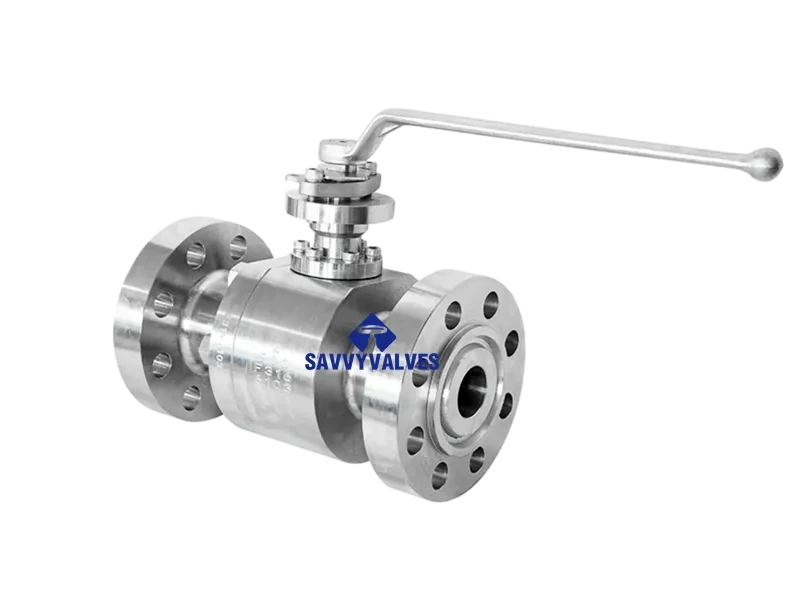 Size 2 inches (DN50)
Pressure Class Class 900 LB (PN150 / 2250 PSI)
Body Material Forged Stainless Steel – ASTM A182 F316
Manufacturing Process Forged Steel (Close Die Forged)
Design Standard API 608 / API 6D / ASME B16.34 / BS 6364 (Cryogenic)
End Connection Standard ASME B16.5 – RTJ Flanged (Ring Type Joint)
Face to Face Standard ASME B16.10 / API 6D
Test & Inspection Std. API 598 / BS 6364 (Cryogenic Test)
Fire-Safe Design API 607 / API 6FA (Optional)
Fugitive Emission ISO 15848-1 (Optional)
-
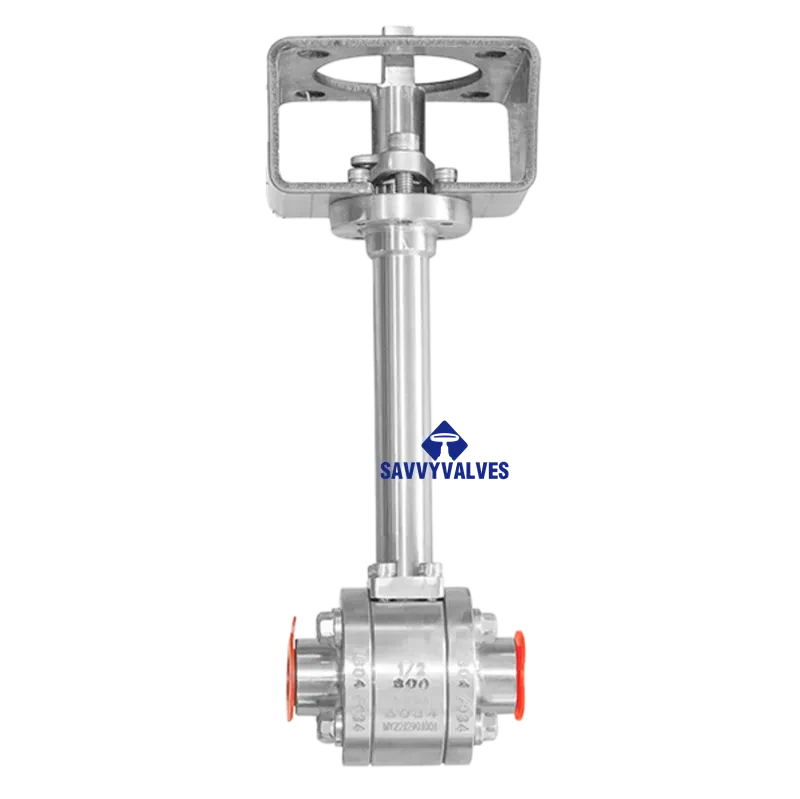 Size 1/2 inch (DN 15)
Pressure Class Class 800 LB (PN 130)
Body Material Stainless Steel (ASTM A182 F304 / F316 / F316L)
Manufacturing Process Close Die Forged / Open Die Forged
Design Standard ASME B16.34 / API 608 / API 6D / BS 5351
End Connection Standard ASME B1.20.1 (NPT Thread) / ASME B16.25 (BW) / ASME B16.11 (SW)
Face to Face Standard Manufacturer Standard / ASME B16.10
Test & Inspection Std. API 598 / ISO 5208 / BS 6364 (Cryogenic Test)
-
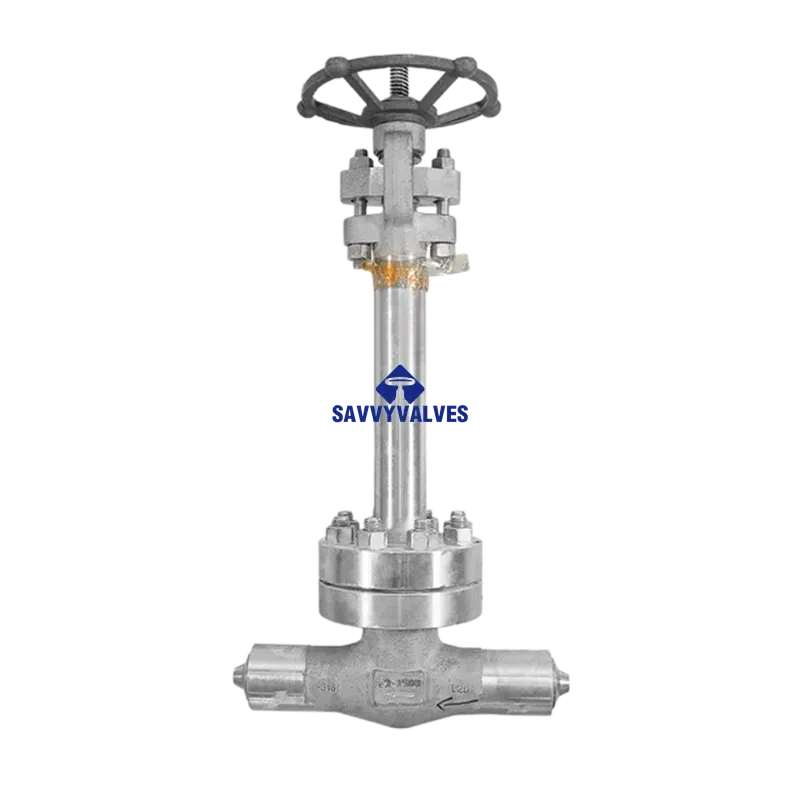 Size 1/2 inch (DN15)
Pressure Class Class 2500 LB (PN420)
Body Material Stainless Steel (ASTM A182 F304 / F304L / F316 / F316L)
Manufacturing Process Forged Steel (Close Die Forged)
Design Standard API 602 / ASME B16.34 / BS 6364
End Connection Standard ASME B16.25 (BW) / ASME B16.11 (SW) / ASME B1.20.1 (NPT)
Face to Face Standard ASME B16.10 or Manufacturer Standard
Test & Inspection Std. API 598 / BS 6364 (Cryogenic Test)
Fugitive Emission Compliance ISO 15848-1 / API 624 (Optional)
-
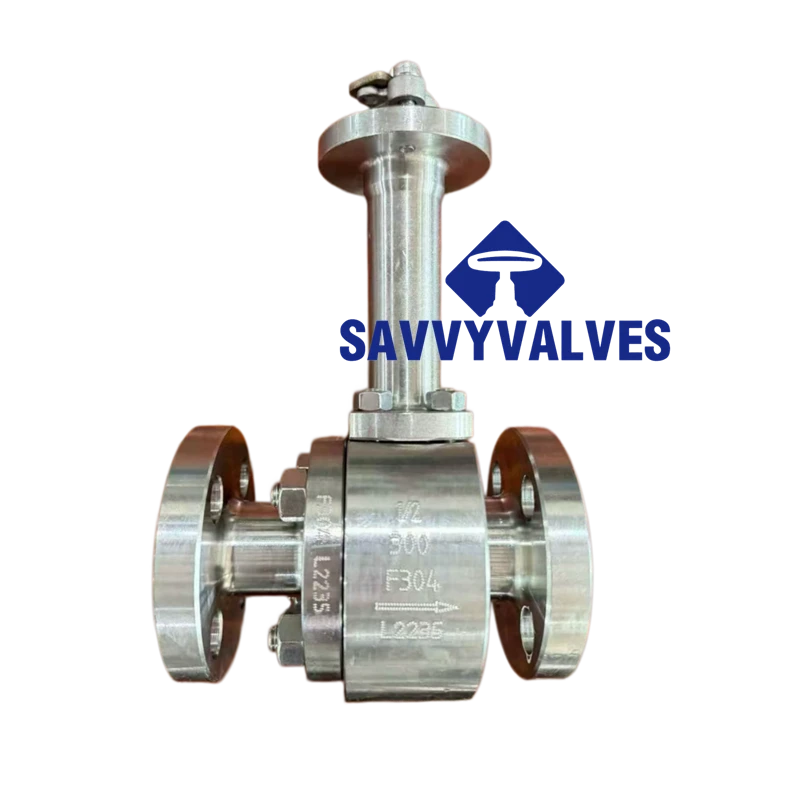 Design & Manufacture BS 6364, ISO 28921-1, MSS SP-134, ASME B16.34
Face-to-Face Dimension BS 6364 Table 1, ISO 5752 Series 11 (Extended)
End Connections ASME B16.5 (RF/RTJ), EN 1092-1, GB/T 9113, JB/T 79
Butt Weld Ends ASME B16.25, GB/T 12224
Socket Weld / Thread ASME B16.11, NPT/BSPT per ISO 7-1
Pressure Testing API 598, ISO 5208, BS 6364 Annex A (Cryogenic)
-
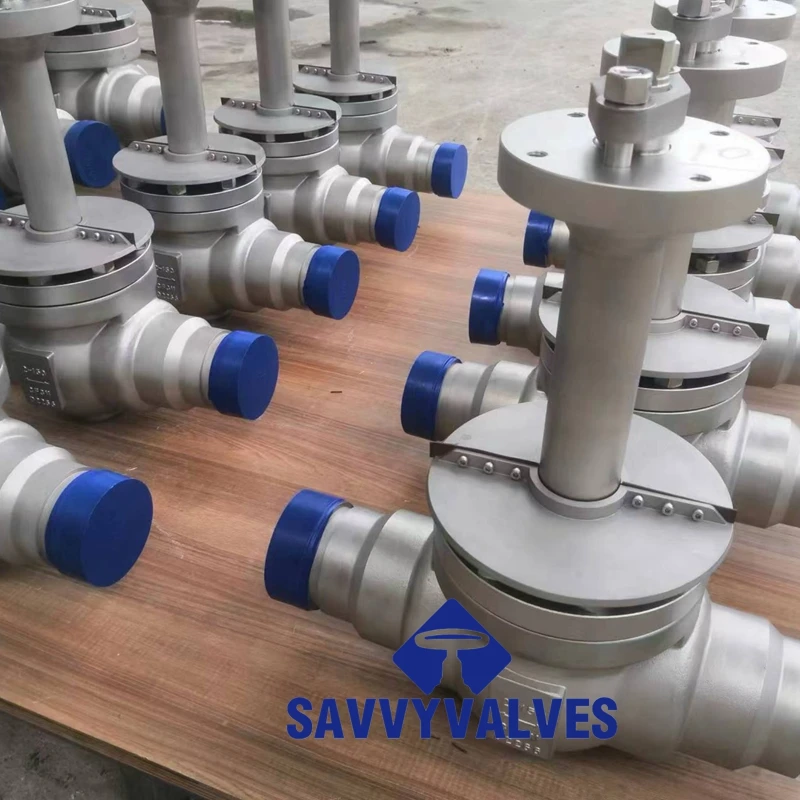 • Type: Top Entry, Full Port (FP) / Reduced Port (RP), Trunnion-Mounted (Fixed Ball) Design
• Operation: Gear Operated / Extended Stem with Actuator (Pneumatic, Electric, Hydraulic)
• Design Standard: BS 6364 / ISO 28921-1 / MSS SP-134 / API 6D (Annex F – Cryogenic)
• Face-to-Face: ASME B16.10 / ISO 5752 Series 11 (Cryogenic Extended) / BS 6364 Table 1
• End Connection: Flanged (RF, RTJ) ASME B16.5 / ASME B16.47 / EN 1092-1 / ISO 7005 / BW (ASME B16.25)
• Body Construction: Top Entry (Single Piece Body with Removable Bonnet/Cover)
-
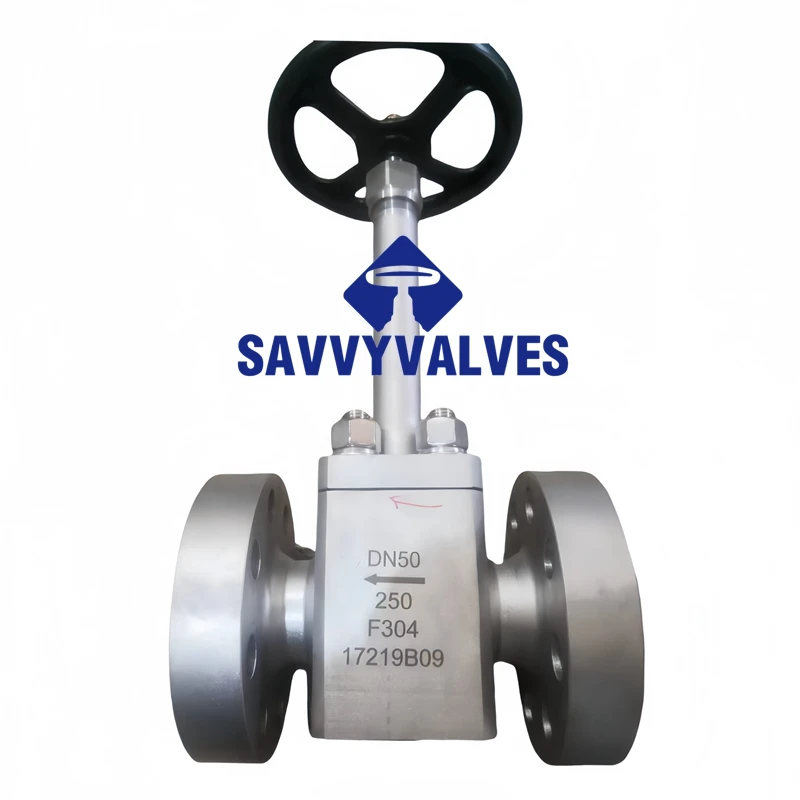 Forging Maps: Ultrasonic Testing (UT) reports per EN 10228-3
Cryogenic Test Certificates: Leakage/performance data at -196°C
Material Chemical Analysis: ASTM A751 (C ≤ 0.08%, S ≤ 0.015%)
Cryogenic valves are specially engineered valves designed to operate in extremely low temperatures, typically below -150°C (-238°F), often used in the storage and transport of liquefied gases like LNG, liquid nitrogen, oxygen, or helium. These valves are built with extended bonnets to isolate the stem and packing from the cold media, preventing frost build-up and maintaining seal integrity. The materials used in cryogenic valves are carefully selected to withstand thermal shock and maintain flexibility and durability at cryogenic temperatures—common materials include stainless steel and Monel. These valves are usually top-entry or bolted-bonnet types for easy maintenance and are often fire-tested and certified for leak-tight performance under cryogenic conditions. Their seats and seals are typically soft-seated (PTFE or similar) for bubble-tight shut-off, although some use metal-seated designs for severe applications. The primary function of cryogenic valves is to provide precise control and reliable shutoff of cryogenic liquids and gases, which are stored under high pressure at low temperatures. Their design must also accommodate pressure buildup during rapid vaporization, ensuring safe venting and flow control.


 Spanish
  English
  Arabic
  Azerbaijani
  Czech
Czech  Dutch
Dutch  French
  German
  Indonesian
  Italian
  Japanese
  Korean
  Malay
Malay  Persian
  Polish
  Portuguese
  Russian
  Thai
Thai  Vietnamese