
Drosselventile
-
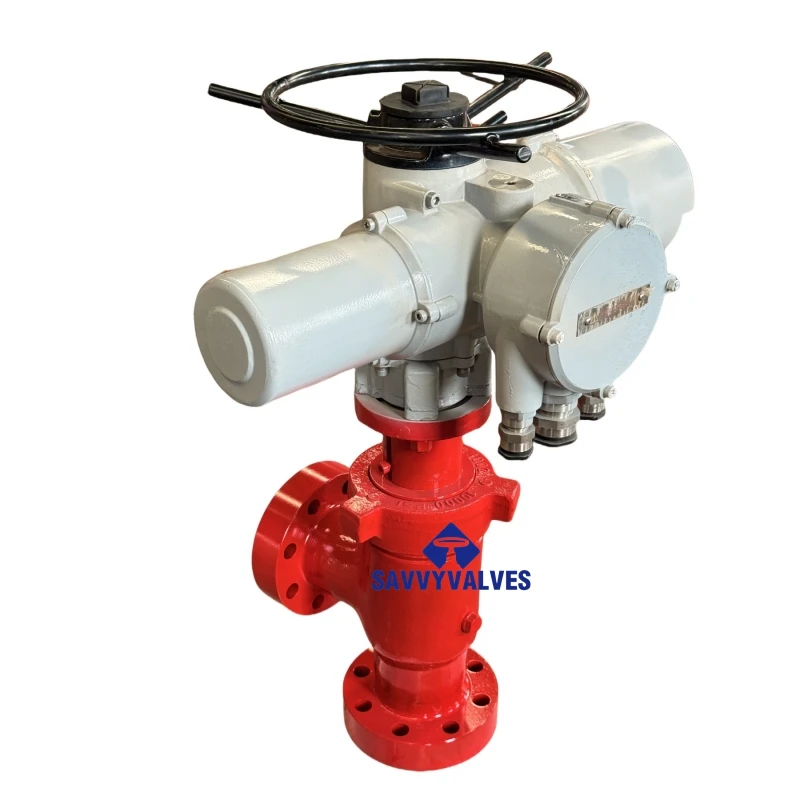 Größe: 2" (2 Zoll)
Druckbewertung: 10.000 PSI (entspricht API 6A)
Antrieb: Motorantrieb
Anschlussende: RTJ-Flansch (API 6BX)
Konfiguration: Winkelmuster, ausgewogene Käfigverkleidungen
Oberflächenbeschaffenheit: Sandgestrahlt und epoxidbeschichtet
Temperaturbereich: -29 °C bis 425 °C
-
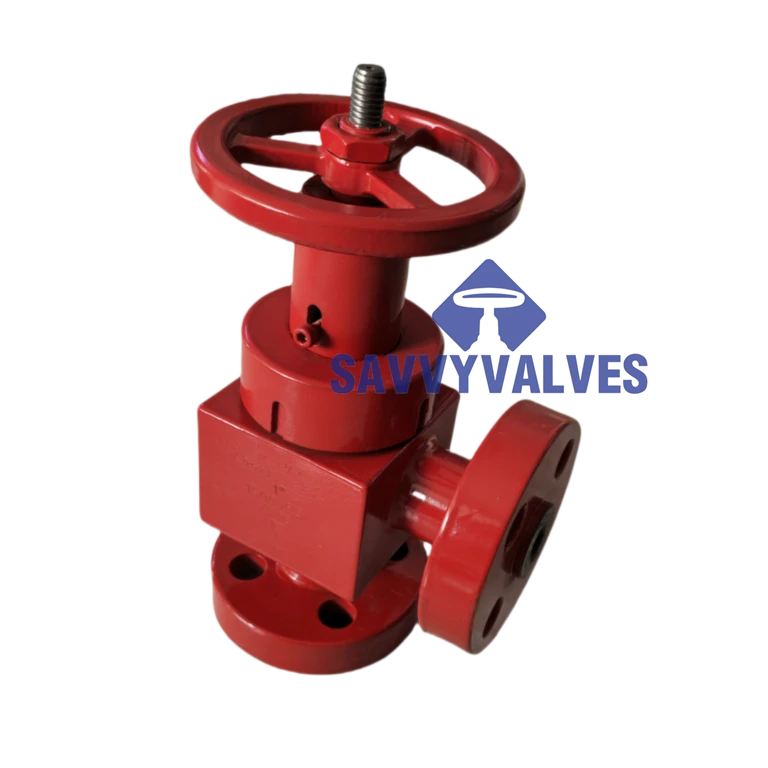 Kurzbeschreibung: Größe: 1 Zoll. Nennleistung: 10000 PSI, 10K. Materialien: ASTM A182 A105 Gehäuse und Haube. ASTM A182 F105+TCC-Scheibe. ASTM A182 F6A Schaft. TCC-Overlay-Gehäusesitz. Bediener: Handrad. Enden: API 6A, API 6D.
 -
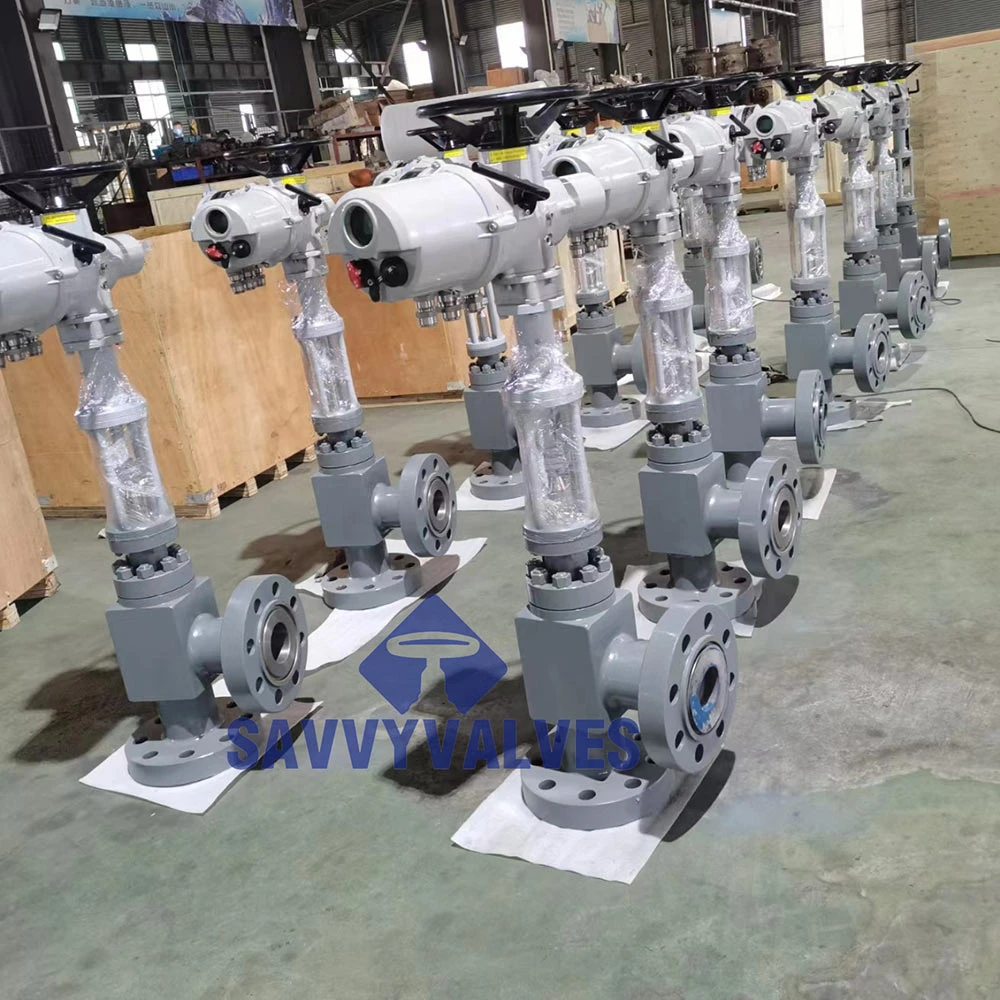 FOTOS ZEIGEN SPEZIFIKATIONEN WIE UNTEN
GRÖSSE: 3″
BEWERTUNG: 10000PSIG
KAROSSERIE UND MOTORHAUBE: TC YG6
STECKER: TC YG20
VORBAU: INCONEL 625
KÄFIG: INCONEL 625
SITZ: YG 6
BETÄTIGUNG: ELEKTRISCHER ANTRIEBSANTRIEB
-
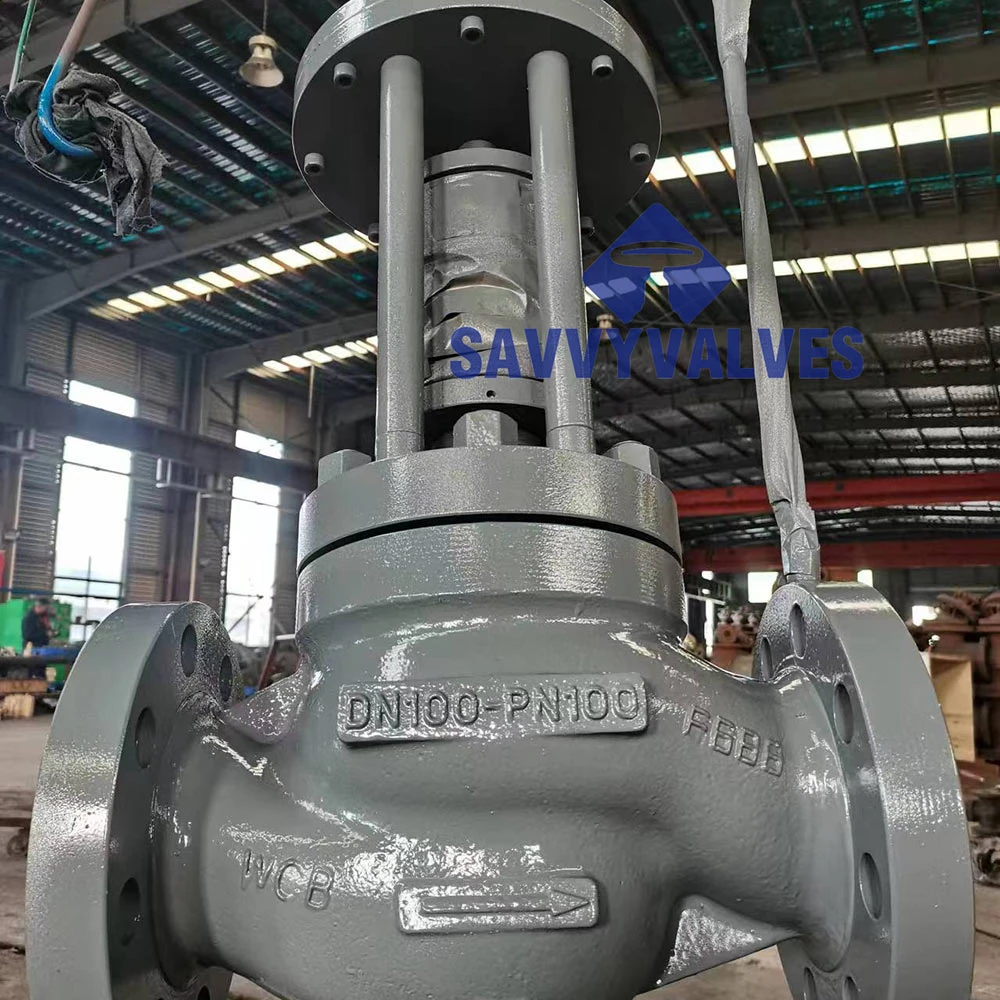 FOTOS ZEIGEN SPEZIFIKATIONEN WIE UNTEN
GRÖSSE: DN100
BEWERTUNG: PN100
KAROSSERIE UND MOTORHAUBE: A216 WCB
STECKER: 410SS
Schaft: 316SS
KÄFIG: 410SS
SITZ: 410SS
BETÄTIGUNG: PNEUMATISCHER ANTRIEBSART
-
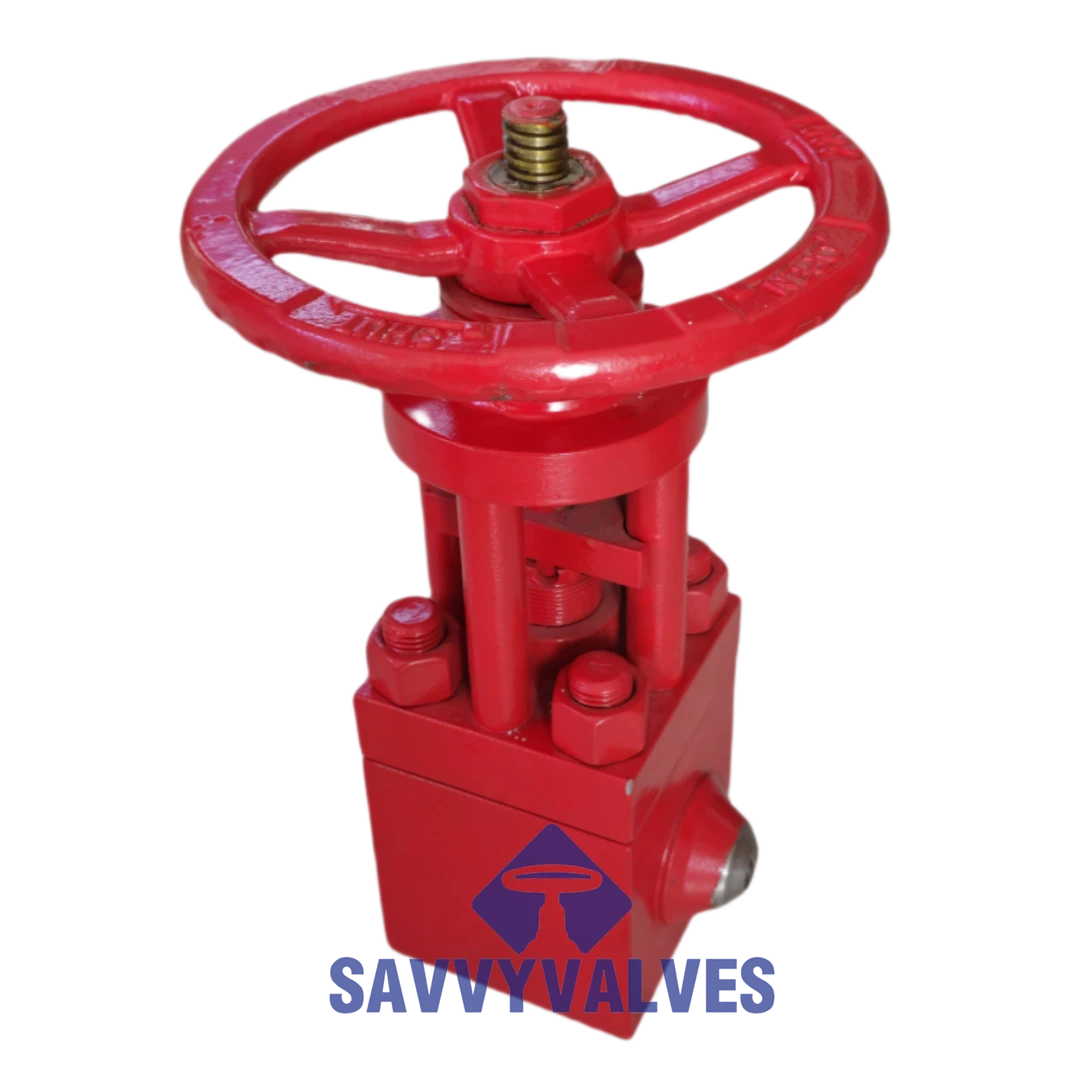 Knapp:
Größe: 1/2″
Bewertung: 4500LB
Materialien:
ASTM A105 Gehäuse und Haube
ASTM A105 +Stellite 6 Scheibe
ASTM A182 F6A Schaft
Stellite 6-Overlay-Karosseriesitz
Bedienung: Handrad
Enden: BW gemäß ANSI B16.25
-
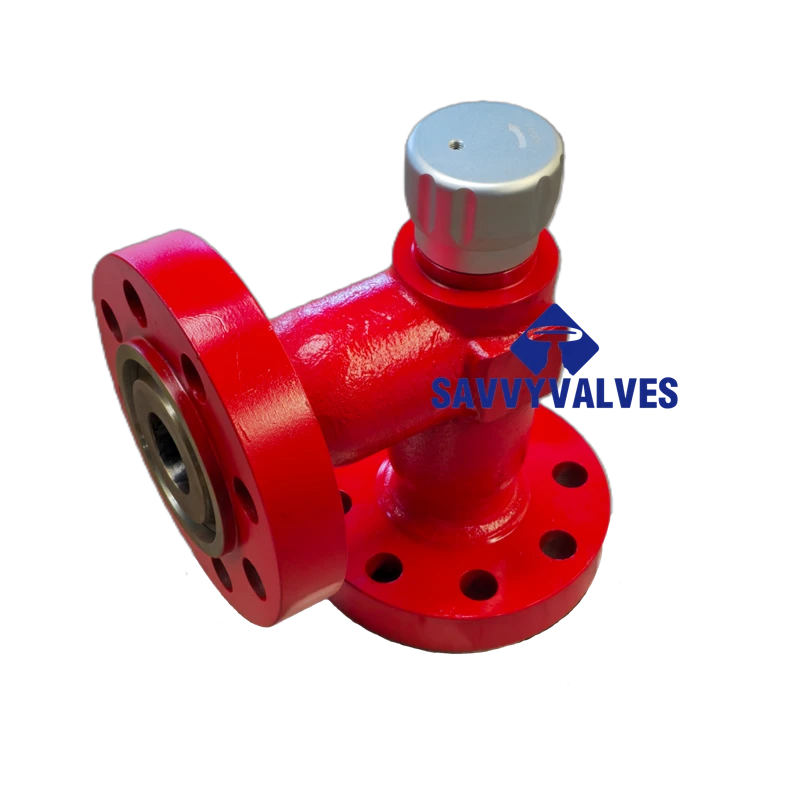 Nominal Size 2 Inch (DN50)
Pressure Class 1500 LB (PN260)
Body Pattern Angle Type
End Connection Flange Ends, conforming to ASME B16.5
Flow Characteristic Approximate Equal Percentage
Flow Coefficient (Cv) Approx. 15 (Specific to opening, test curve available upon request)
Leakage Class ANSI B16.104 Class IV (Metal Seat) or Class VI (Soft Seat, if applicable)
Operation Manual – Aluminum Alloy Handwheel/Knob
Temperature Range -29°C to +425°C (Dependent on gasket and packing materials)
Applicable Media Suitable for high-pressure differential and erosive media, e.g., high-pressure water, steam, oil-gas mixtures.
-
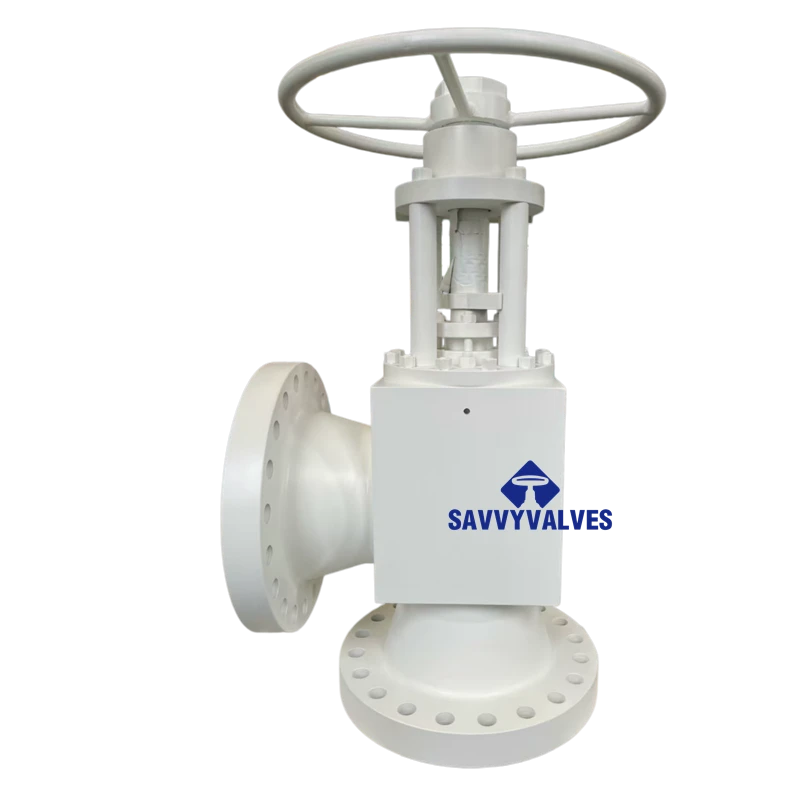 Valve Type Needle / Choke Type Throttling Valve (Globe pattern or Angle pattern)
End Connection Flanged, Raised Face (RF)
Body Manufacturing Process Open Die Forging (Free Forging)
Nominal Size NPS 12 × 10 (DN300 × DN250)
Port Reduction Inlet 12″, Internal seat bore reduced to 10″
Pressure Class Class 600 (ASME B16.5)
Body Material A105 (Carbon Steel)
Service Medium Water / Oil / Gas / Steam (as per process)
-
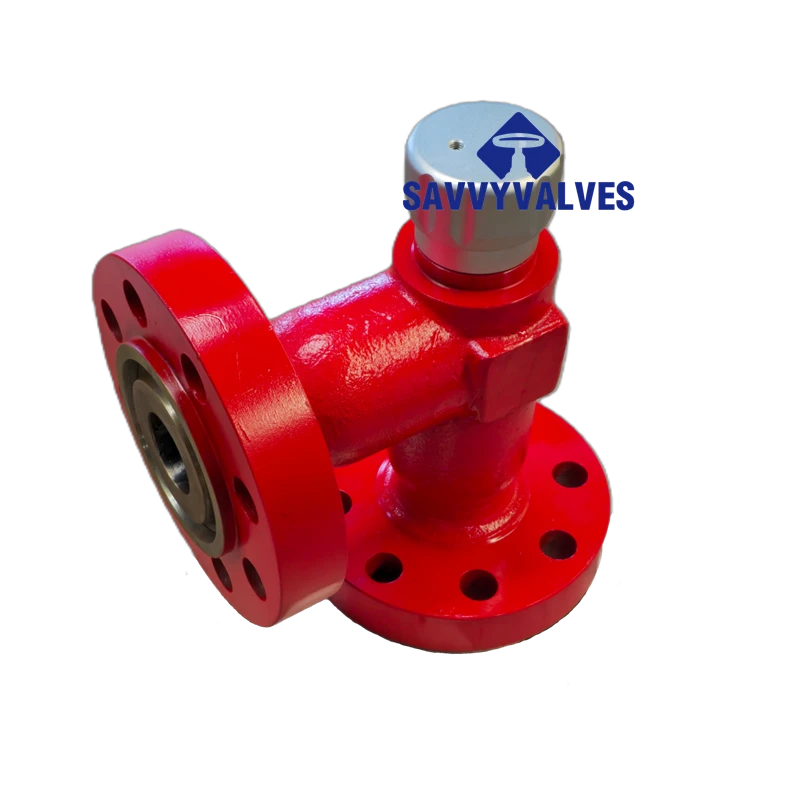 Nominal Size 2 Inch (DN50)
Pressure Class 1500 LB (PN260)
Body Pattern Angle Type
End Connection Flange Ends, conforming to ASME B16.5
Flow Characteristic Approximate Equal Percentage
-
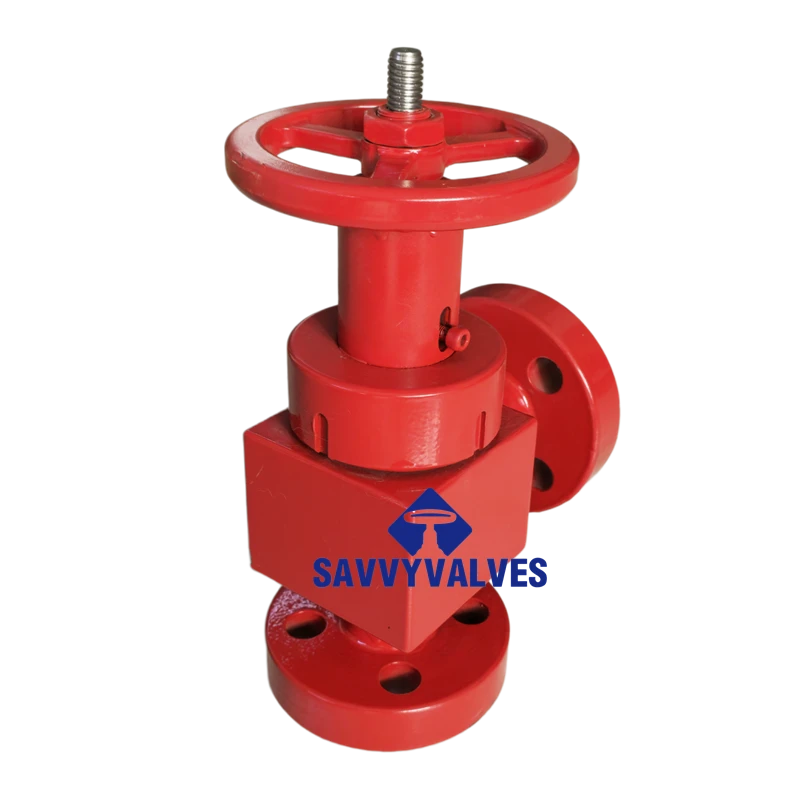 1. Product Name API 6A Adjustable Choke Valve
2. Standard API 6A 21st Ed. (or latest)
ISO 10423
-
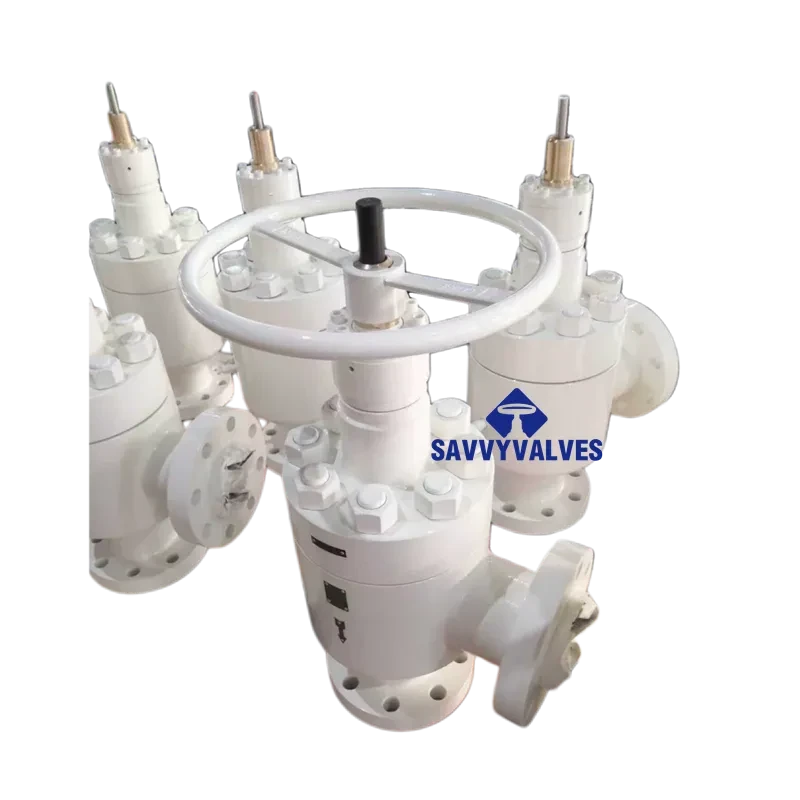 Product Name Adjustable Angle Choke Valve
Valve Type Angle Pattern (Vertical Inlet / Horizontal Outlet)
Nominal Size 4″ (4 1/16″ / 103 mm nominal bore)
Pressure Rating 3000 PSI (21 MPa)
End Connections Flanged (API 6A), Optional: Hub or Welded
Design Standard API Spec 6A / API Spec 16C
A choke valve is a type of control valve specifically designed to regulate the flow and pressure of fluids—especially in high-pressure systems such as oil and gas production. It works by varying the size of the flow passage through a movable component, often a plug or needle, which reduces or increases flow rate accordingly. Unlike standard valves that primarily open or close flow, choke valves are meant for precise throttling, allowing operators to control production rates and manage pressure drops in wellheads and pipelines. They are built to withstand harsh environments, including corrosive and erosive fluids, thanks to durable materials like tungsten carbide or Inconel. Choke valves can be fixed or adjustable: fixed choke valves use a static orifice size, while adjustable versions allow dynamic control via manual or automated actuation. In many systems, they serve as the first line of control, reducing pressure from reservoir levels to downstream equipment tolerances. Their reliability and accuracy make them essential in high-pressure oilfield operations, ensuring safe, stable, and efficient fluid handling over long periods.


 German
  English
  Arabic
  Azerbaijani
  Czech
Czech  Dutch
Dutch  French
  Indonesian
  Italian
  Japanese
  Korean
  Malay
Malay  Persian
  Polish
  Portuguese
  Russian
  Spanish
  Thai
Thai  Vietnamese