
เช็ควาล์ว
-
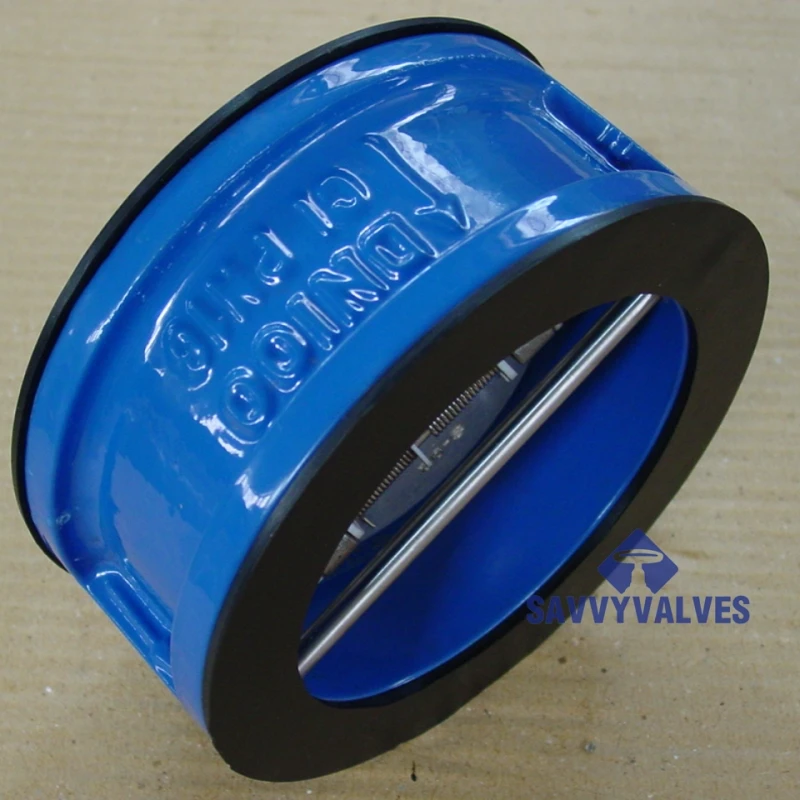 ภาพถ่ายแสดงข้อมูลจำเพาะดังต่อไปนี้
ขนาด:DN100
คะแนน:PN16
ตัวถังและฝากระโปรง : ASTM A536 65-45-12
แผ่น: ASTM A536 65-45-12
เพลา: 416SS
เบาะนั่ง: EPDM
-
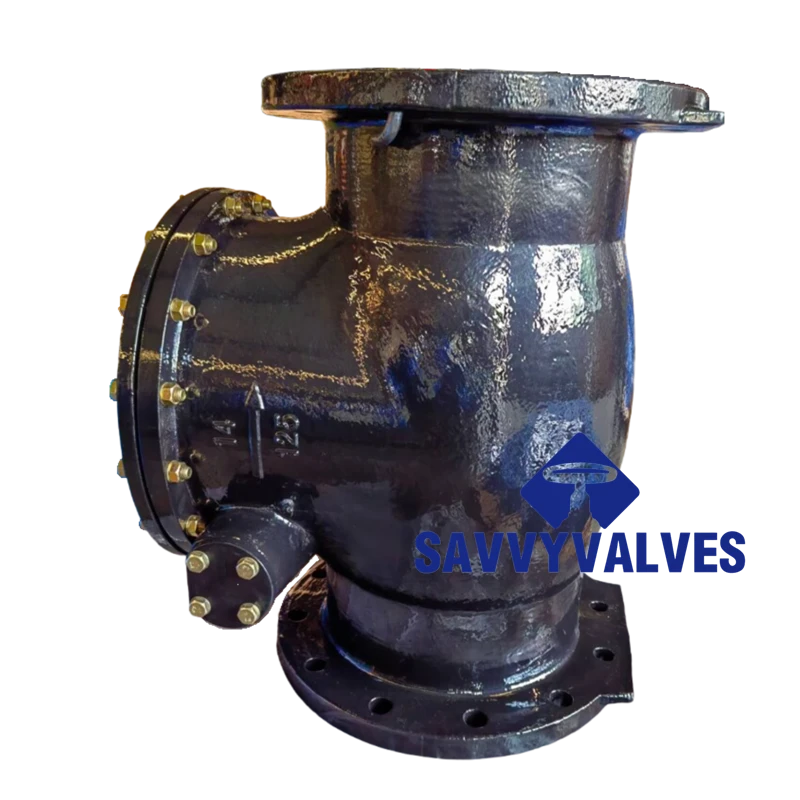 Valve Type Swing Check
Body Material Cast Iron (ASTM A126 Class B) / Ductile Iron (ASTM A536)
Disc Material Cast Iron / Ductile Iron
Seat Material Bronze Alloy (e.g., ASTM B62 C83600)
Connection Type Flanged
Flange Standard ASME B16.1 (Cast Iron) / ASME B16.5 (Class 125/150)
Pressure Rating Class 125 / Class 150
Temp. Range -10°C to +200°C
Media Water, Steam, Oil, Gas, other non-corrosive fluids
-
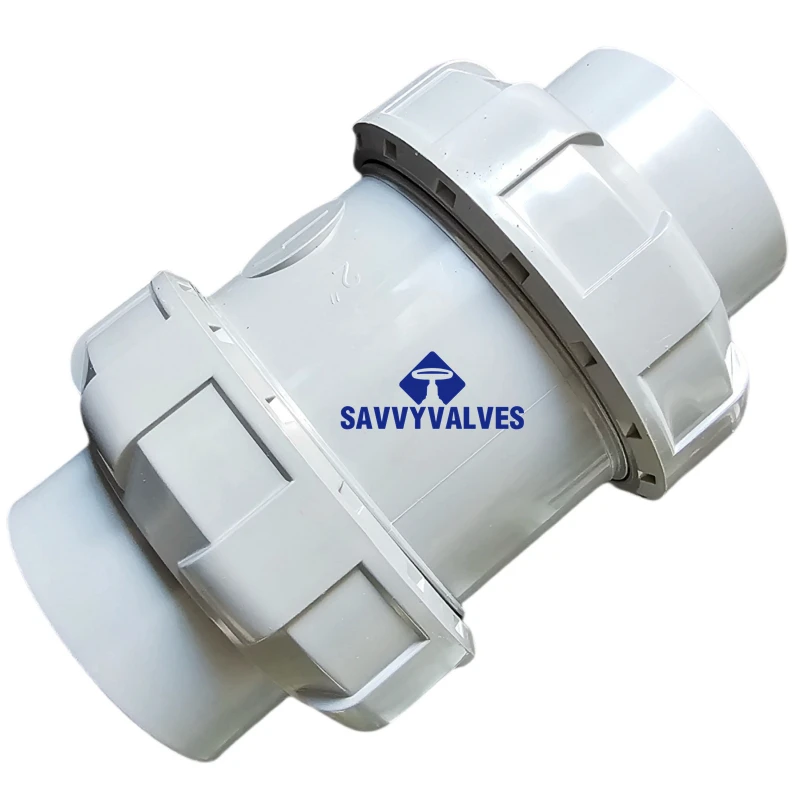 ประเภท: 2 ทาง, สหภาพแท้, เช็ควาล์วลูกบอลลอย
การทำงาน: การทำงานอัตโนมัติ (ไม่ต้องใช้การกระตุ้นจากภายนอก)
มาตรฐานการออกแบบ: ASTM D1784 (มาตรฐานวัสดุ CPVC)
การเชื่อมต่อปลาย: ซ็อกเก็ต (ซีเมนต์ตัวทำละลายสำหรับท่อ CPVC)
ขนาด: 2” (DN50)
ระดับแรงดัน: 150 ปอนด์ (เหมาะสำหรับระบบท่อ CPVC)
ช่วงอุณหภูมิ: -20°C ถึง +120°C
-
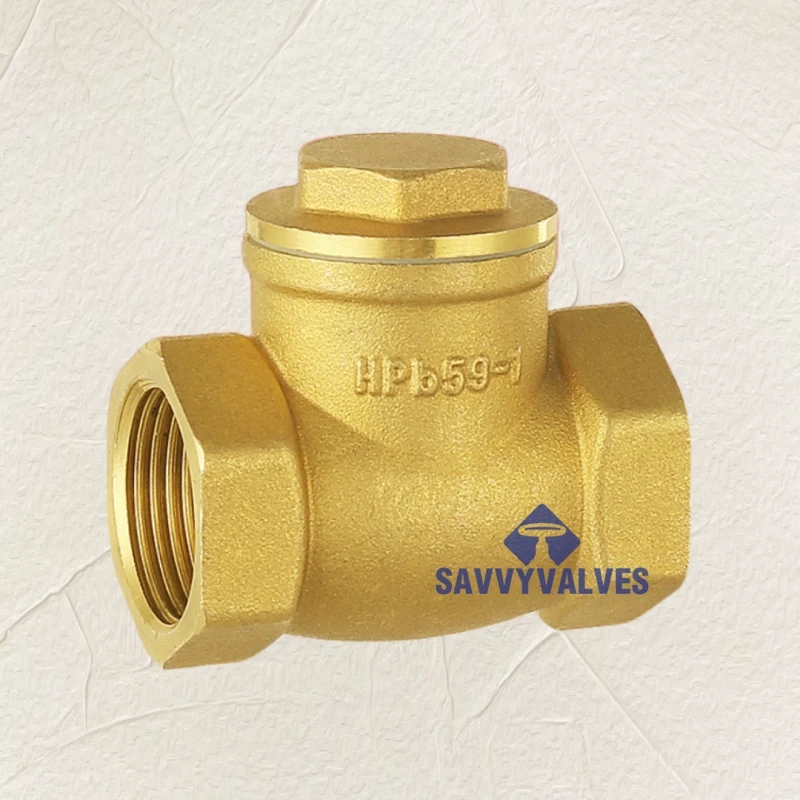 ภาพถ่ายแสดงข้อมูลจำเพาะดังต่อไปนี้
ขนาด:DN25
คะแนน:PN16
ตัวเรือนและฝากระโปรง : ทองเหลือง
แผ่น: ทองเหลือง
แกน: ทองเหลือง
ที่นั่ง: ทองเหลือง
-
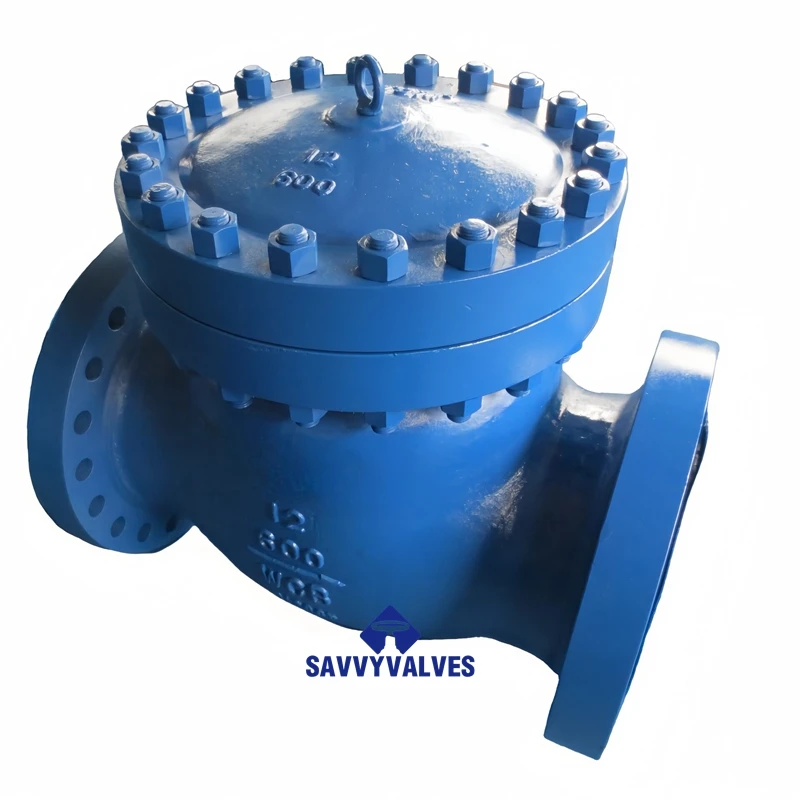 Valve Type Swing Check Valve (Full Bore)
Design Standard API 6D (24th Edition)
Pressure Standard ASME B16.34
Face-to-Face ASME B16.10 / API 6D Table 8
End Connection RF Flanges (ASME B16.5) or BW Ends (ASME B16.25)
Fire Safe Design API 607 / API 6FA (Optional)
-
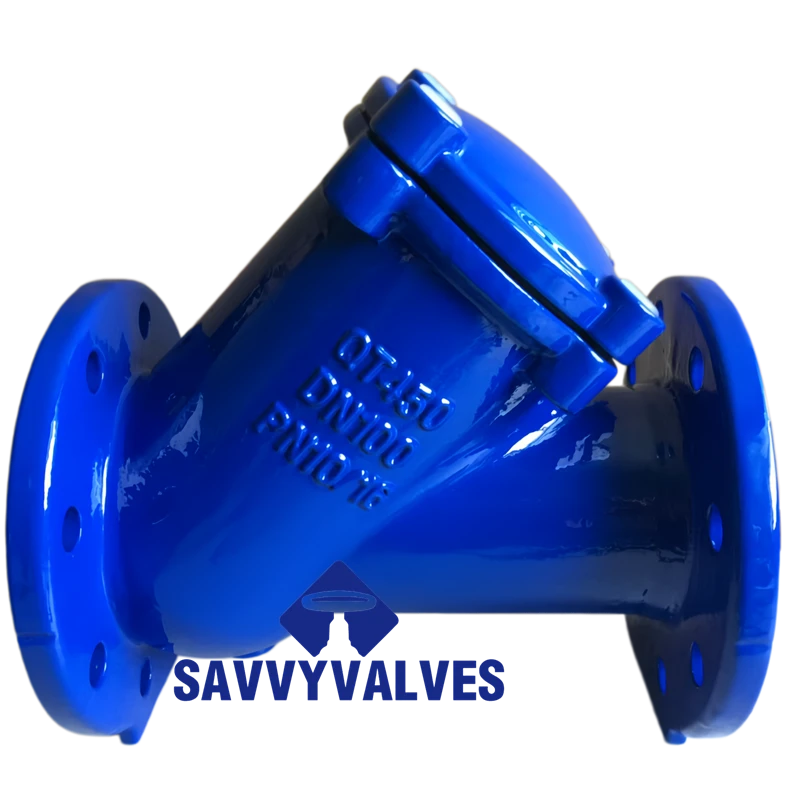 Valve Type Ball Check Valve (Free Floating Ball Design)
Body Material Ductile Iron (ASTM A536 Grade 65-45-12 / GGG-50)
Ball Material Carbon Steel + Fully Lined EPDM
Nominal Size 2″ – 12″ (DN50 – DN300)
Pressure Rating Class 125 / Class 150 / PN10 / PN16
End Connection Flanged (FF / RF) / Threaded (NPT / BSP)
Design Standard API 594 / Manufacturer Standard
-
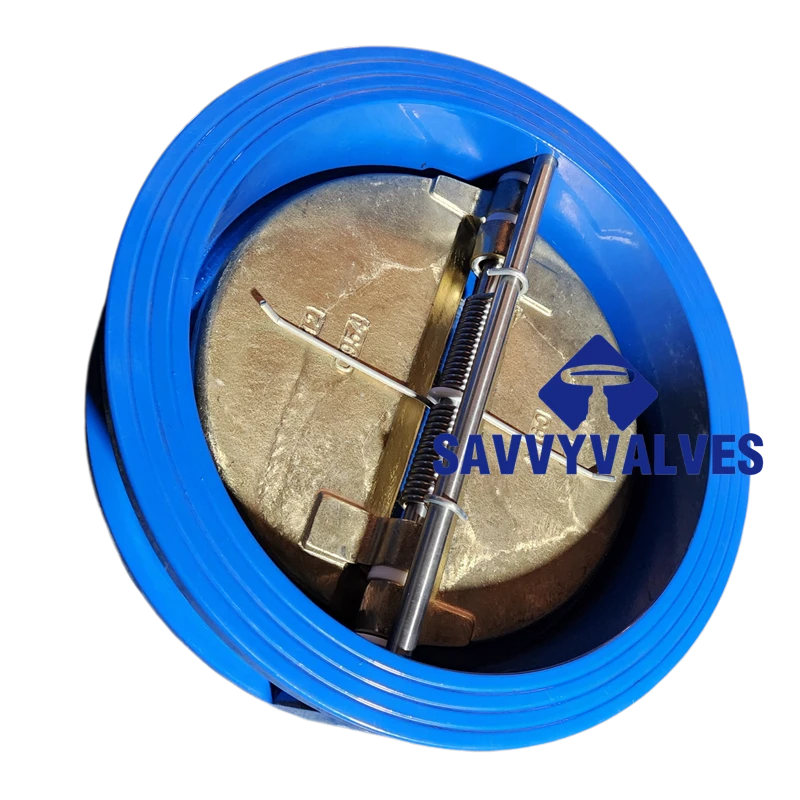 Valve Type Double Plate Wafer Check Valve (Dual Plate Check Valve)
Nominal Size DN300 (12 inch)
Pressure Rating 150 LB (Class 150)
End Connection Wafer Type (Fits between ASME B16.5 Flanges)
Design Structure Dual Plate / Non-Slam
Medium Water, Oil, Gas, and Mild corrosive media
-
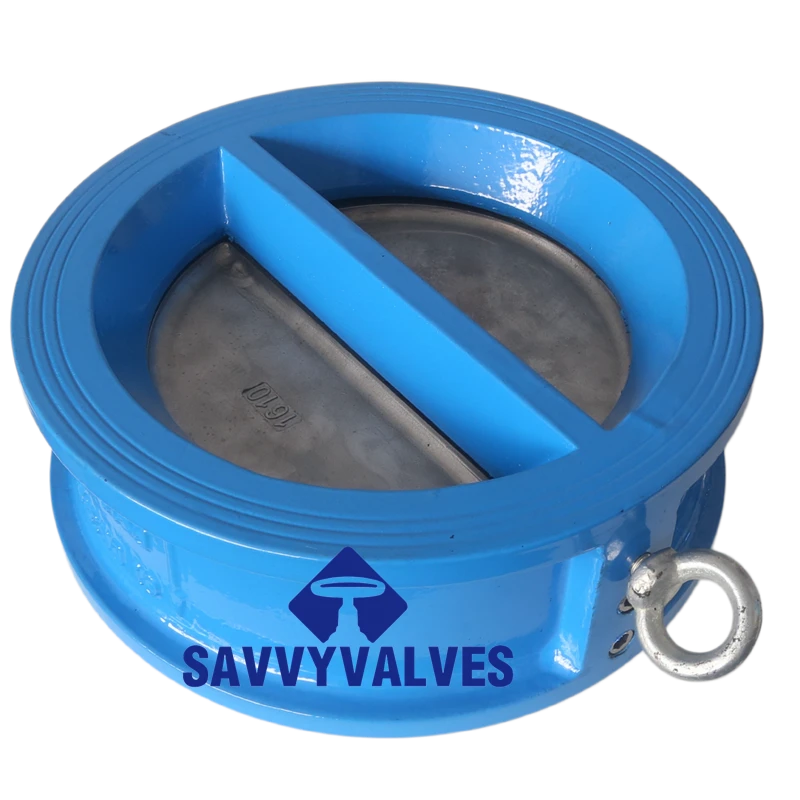 Design Standard API 594 / API 6D / ASME B16.34 / ISO 5752
Face-to-Face API 594 Short Pattern / ISO 5752 Series 20
Flange Drilling ASME B16.5 / ASME B16.47 / EN 1092-2
Inspection & Test API 598 / ISO 5208 / EN 12266-1
Pressure Rating Class 150 / 300 / 600 / 900 / 1500 / 2500
Size Range 2″ – 60″ (DN50 – DN1500)
-
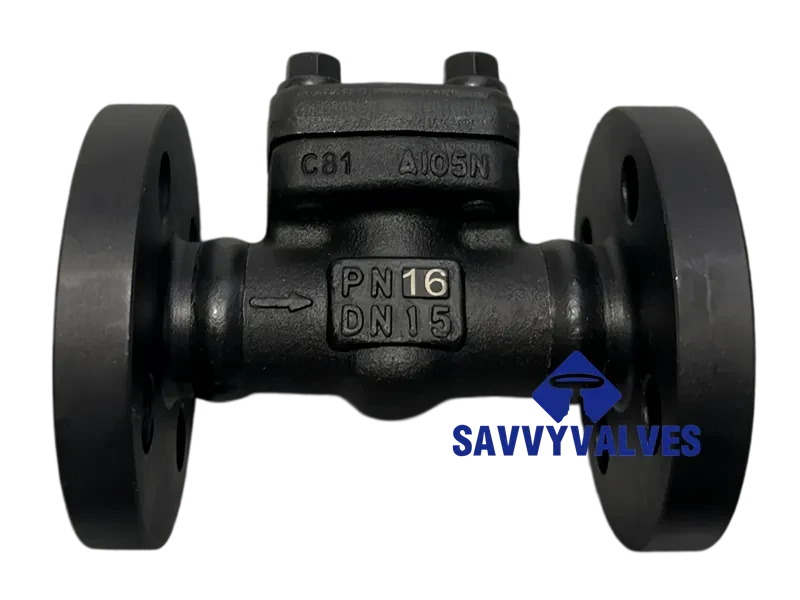 Design Standard DIN 3356
Nominal Size DN15
Pressure Class PN16
Structure Type Lift Type, Bolted Bonnet
Connection Type Welded Flange
Installation Horizontal Piping
Body Material ASTM A105 (Forged Carbon Steel)
-
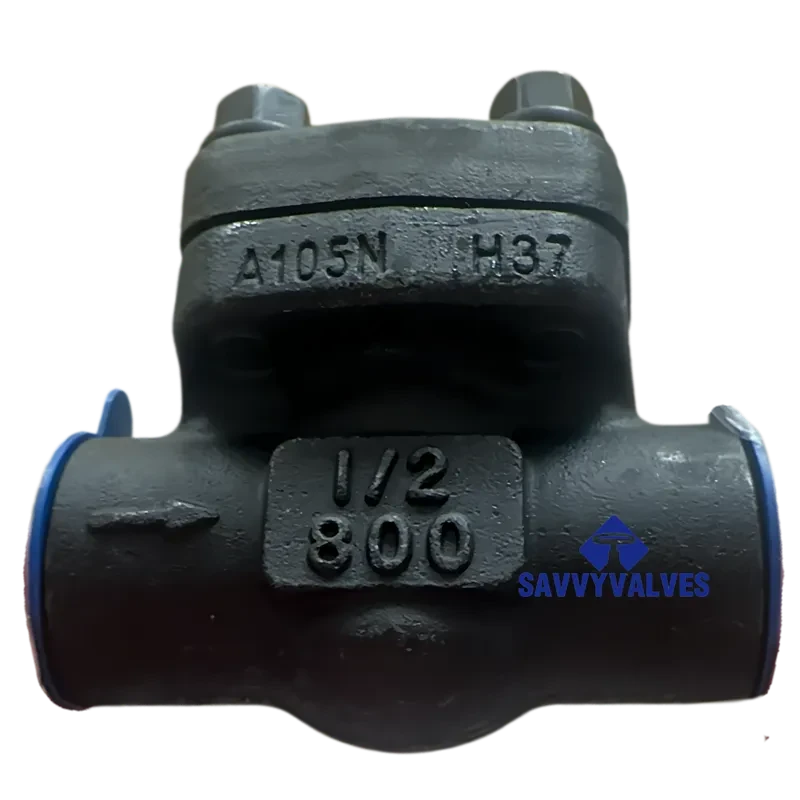 Valve Type Lift Check Valve
Design Standard API 602 / ASME B16.34 / BS 5352
Nominal Size 1/2 inch (DN15)
Pressure Class Class 800 LB (PN130)
Structure Type Lift Type, Bolted Bonnet
Connection Type NPT Threaded (ASME B1.20.1) or Socket Weld (ASME B16.11)
Installation Horizontal Piping
Body Material ASTM A105N (Forged Carbon Steel)
-
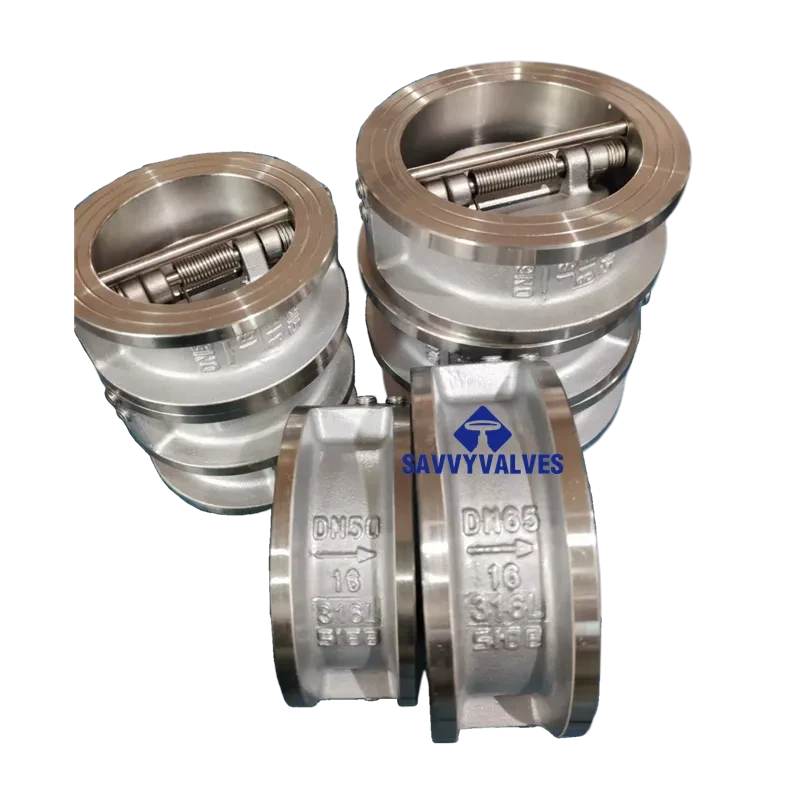 Pressure Rating PN16 (Equivalent to Class 150)
Nominal Size DN50 – DN600 (NPS 2″ – 24″) Specify as required
End Connection Wafer Type / Lug Type Select as required
Face to Face Dimension API 594 / EN 558 Series 20
Sealing Type Metal-to-Metal Hard Seal
-
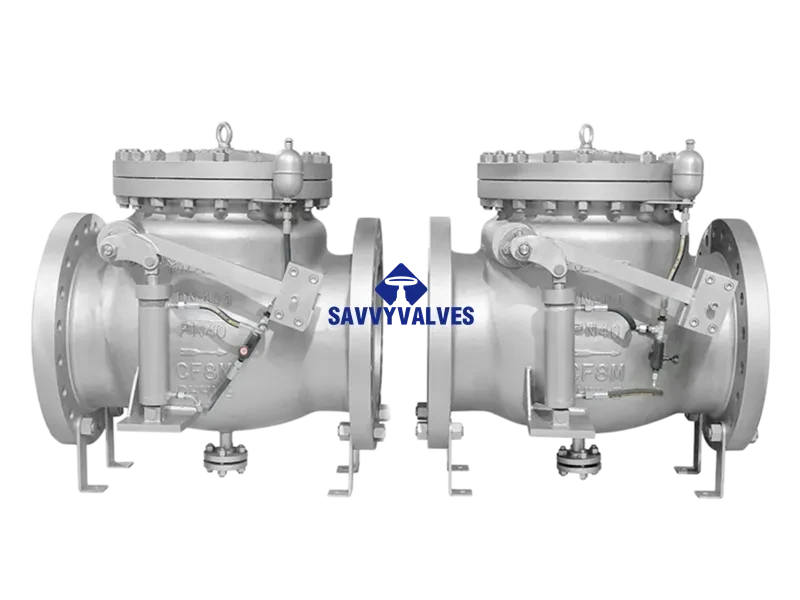 Nominal Size DN400
Pressure Rating PN16 (1.6 MPa / 16 bar)
End Connection Flanged, Raised Face (RF) — EN 1092 1 / ASME B16.5 or equivalent
Body Construction Swing check, metal seated, with external counterweight mechanism
Temperature Range –29°C ~ +400°C (depending on seat hardfacing material)
Applicable Media Water, steam, oil, corrosive fluids, high temperature services
Flange Standard EN 1092 1 PN16 / ASME B16.5 Class 150 (customer specified)
Face to Face EN 558 Series 1 / ASME B16.10 / API 6D
A check valve, also known as a non-return valve, is a type of valve that allows fluid or gas to flow in one direction only, preventing backflow that could damage equipment or disrupt system performance. It operates automatically and doesn’t require manual or external control. Inside the valve, a disc or similar mechanism opens when fluid flows in the intended direction and closes if the flow reverses. There are several types of check valves, such as swing, lift, ball, and diaphragm types, each designed for specific applications or media. For instance, swing check valves are commonly used in water and wastewater systems, while lift check valves are more suitable for high-pressure lines. Check valves are critical in protecting pumps, compressors, and pipelines from backflow damage, maintaining pressure, and preventing contamination. Their simple, self-operating design makes them ideal for both industrial and domestic use, especially in systems where reliability and safety are essential.


 Thai
Thai  English
  Arabic
  Azerbaijani
  Czech
Czech  Dutch
Dutch  French
  German
  Indonesian
  Italian
  Japanese
  Korean
  Malay
Malay  Persian
  Polish
  Portuguese
  Russian
  Spanish
  Vietnamese