
Zawory motylkowe
-
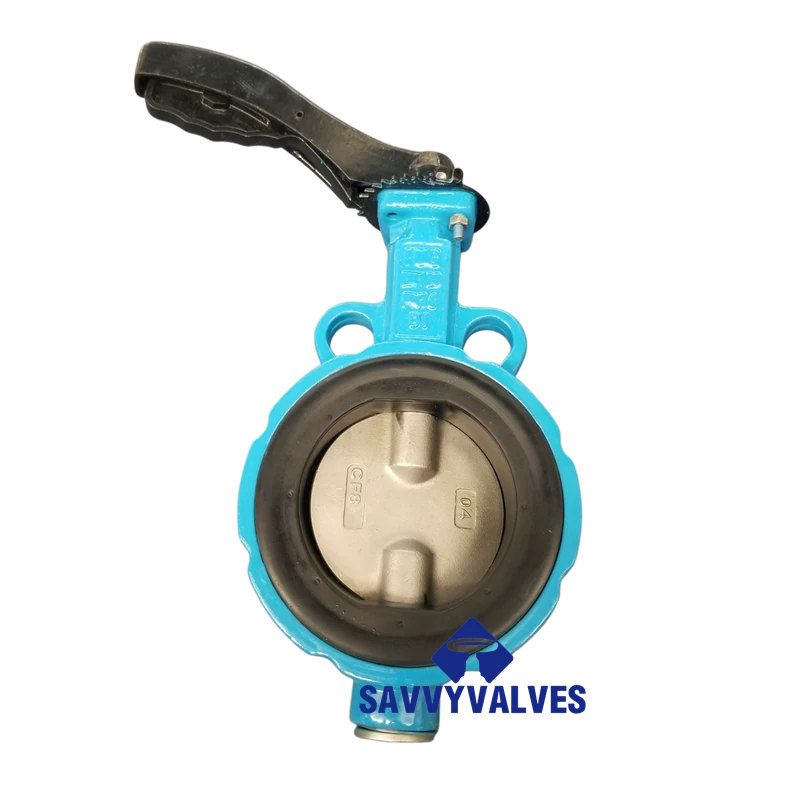 Valve Type Wafer Type Butterfly Valve (Center Line / Concentric Design)
Body Material Ductile Iron (ASTM A536 Grade 65-45-12 / GGG-50)
Disc Material Ductile Iron + Nickel Plated (Electroless Nickel Plating – ENP)
Stem Material Stainless Steel (AISI 410 / 304 / 316)
Seat Material Replaceable Soft Seat – EPDM / Buna-N / Viton / PTFE (Specify)
Nominal Size 2″ – 24″ (DN50 – DN600)
-
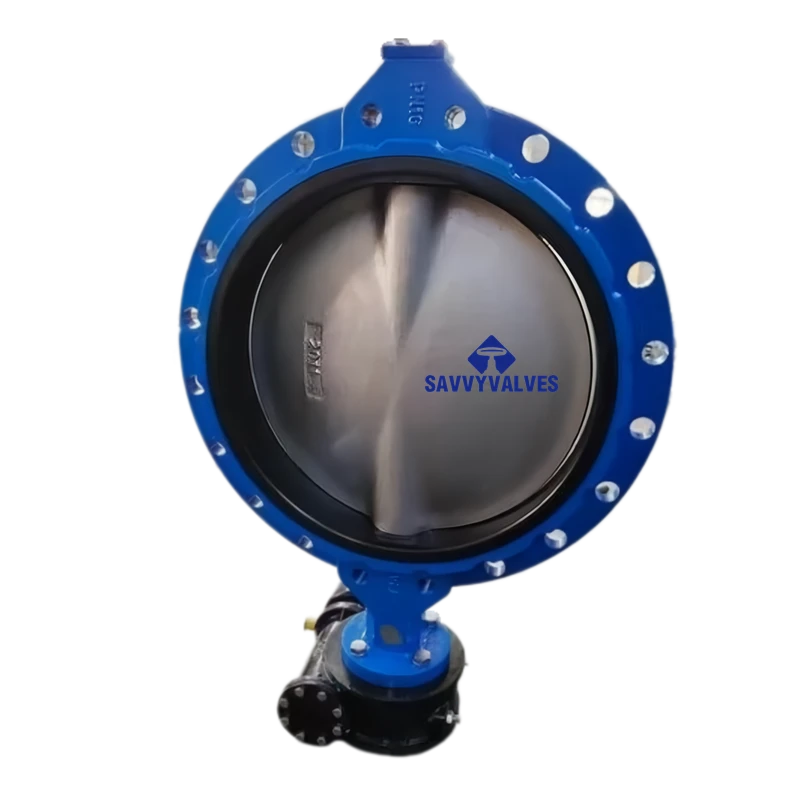 Valve Type Monoflange Type Wafer Butterfly Valve
Valve Model D371X (Monoflange Type)
Nominal Diameter (DN) DN50 ~ DN600 (or as required)
Nominal Pressure (PN) PN10 / PN16 / PN25 (optional)
Connection Type Monoflange Wafer Type
Operation Type Worm Gear Operation
-
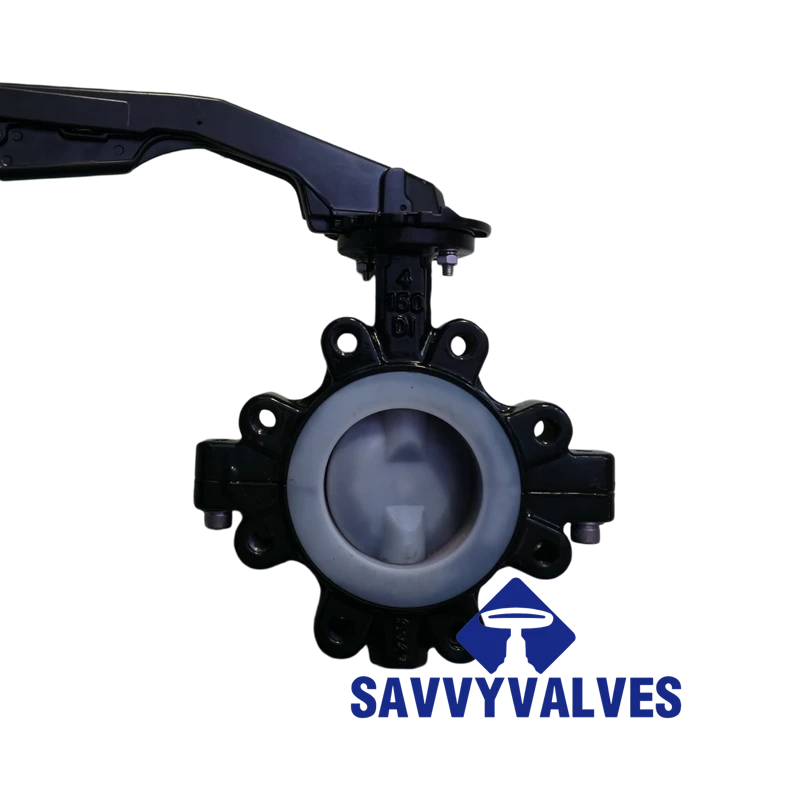 Design Standard MSS SP-67, MSS SP-115, API 609, ISO 5752
Face-to-Face Dimension ISO 5752 Series 20, EN 558 Series 20, API 609 Table 1, ASME B16.10
Flange Drilling ASME B16.5 Class 150, ASME B16.1 Class 125, JIS 10K, PN10, PN16, DIN 2501, HG/T 20592
-
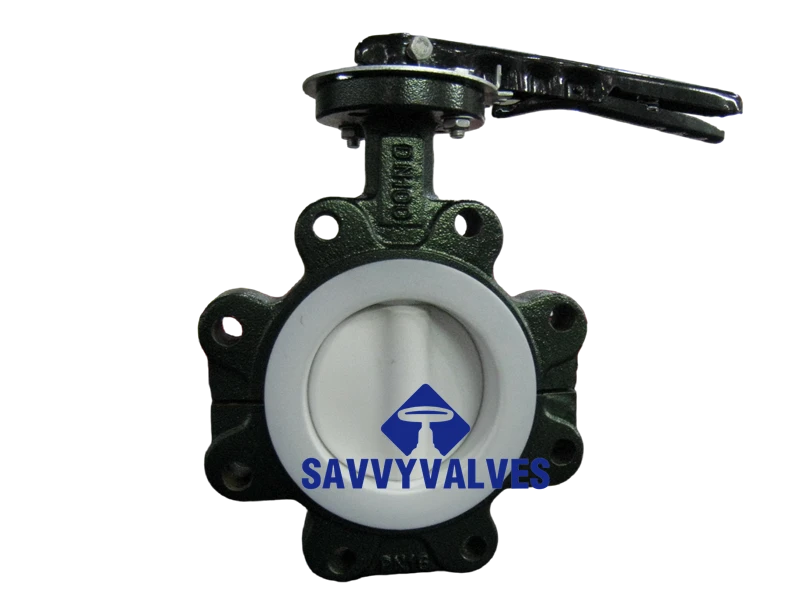 Valve Type Concentric Butterfly Valve, Fully Lined with FEP (Fluorinated Ethylene Propylene)
Body Design Split Body (Two-piece body, suitable for lug mounting, facilitates liner replacement)
Connection Type Lug Type (Tapped lug holes for dead-end service), conforming to ISO 5752 / GB/T 12238
Nominal Size DN50 ~ DN600 (2″ ~ 24″)
Pressure Rating PN10 / PN16 / Class 150LB
-
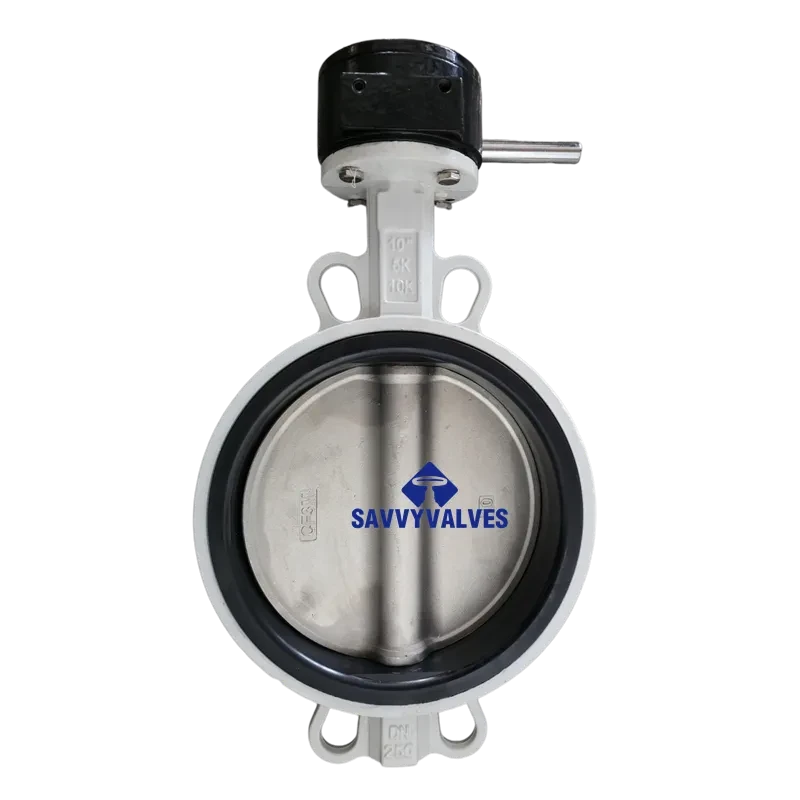 • Product Type: Concentric Butterfly Valve, Wafer Type
• Seat Design: Cartridge Seat (Replaceable, Metal-Reinforced Resilient Seat)
• Operation: Lever, Gearbox, Pneumatic Actuator, or Electric Actuator (ISO 5211 mounting pad)
• Design Standard: EN 593 / API 609 / ISO 10631 / MSS SP-67
• Face-to-Face: EN 558 Series 20 / API 609 Table 1
• Flange Drilling: EN 1092-2 PN10/16, ASME B16.5 Class 150, JIS B2220
• Test Standard: EN 12266-1 / API 598 / ISO 5208
• Temperature Range: -40°C to +180°C (depending on seat material and pressure)
• Pressure Rating: PN10/16, Class 150
-
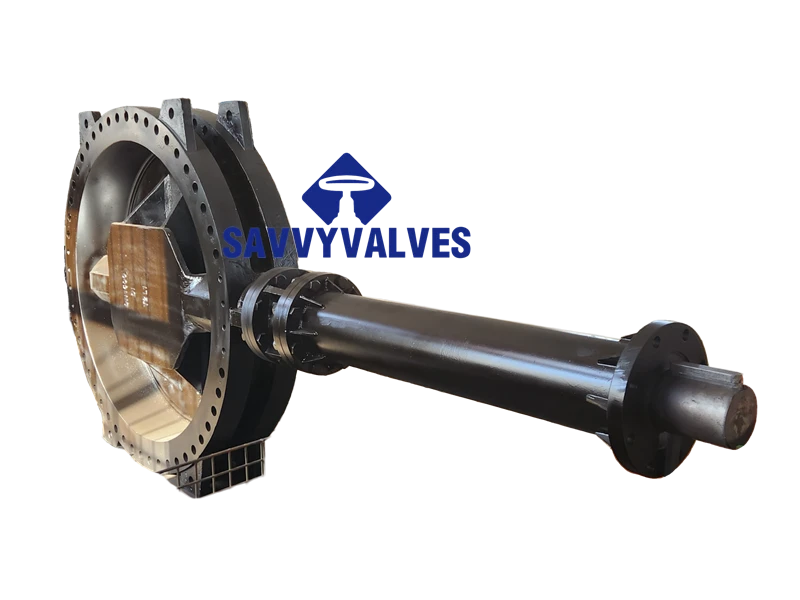 Valve Type Double Eccentric Butterfly Valve (High Performance)
Application Buried Service / Underground Installation
Size 60 inches (DN 1500)
Pressure Rating Class 150LB (200psi)
Connection Type Flanged Ends (ASME B16.47 Series A or B as required)
Operation Electric Actuator with Extended Stem for buried service
-
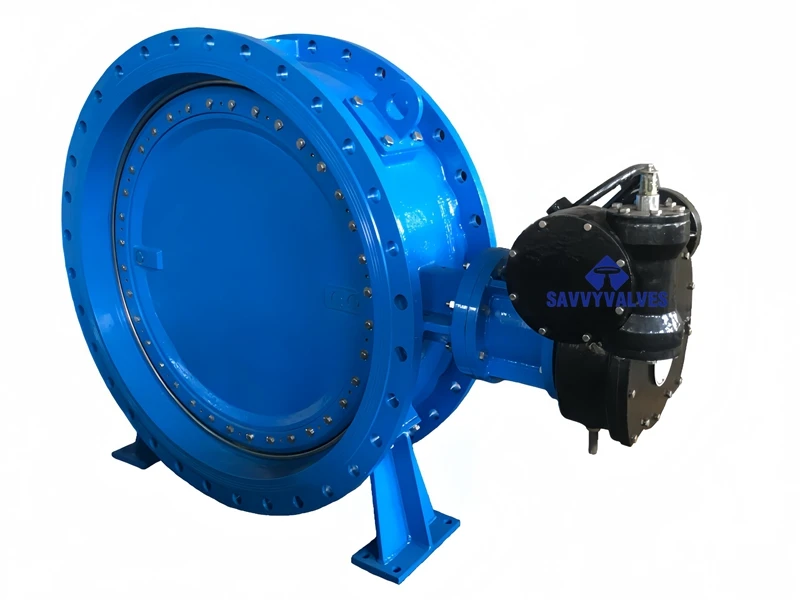 Valve Type Double Eccentric (Double Offset) Butterfly Valve
Design Standard API 609 / BS5155 / ASME B16.34 / EN 593 / GB/T 12238
Face-to-Face API 609 / ASME B16.10 / EN 558 Series 13/14/16 / BS5155
Flange Drilling ASME B16.5 / ASME B16.47 / EN 1092-2 / GB/T 9115
Inspection & Test API 598 / ISO 5208 / EN 12266-1
Pressure Rating Class 150 / 300 / PN6 / PN10 / PN16 / PN25
Size Range 2″ – 48″ (DN50 – DN1200)
Temperature Range -29°C to +200°C (Depending on seat material)
End Connection Wafer Type / Lug Type / Flanged Type
Operation Lever / Gearbox / Pneumatic Actuator / Electric Actuator
Mounting Flange ISO 5211 (For direct actuator mounting)
-
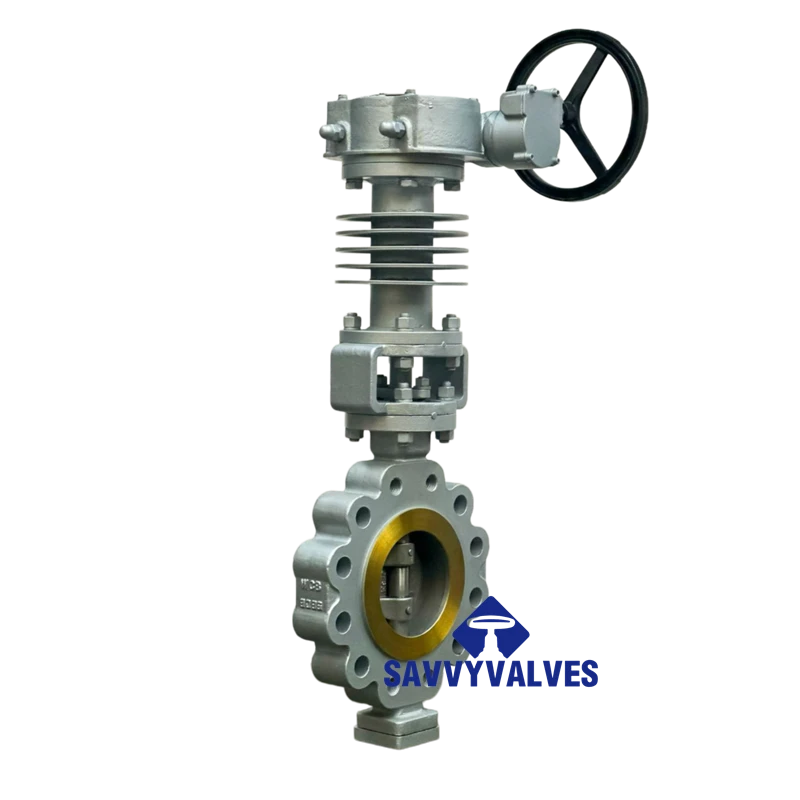 Valve Type Triple Offset Hard-Seated Butterfly Valve (with Cooling Fins)
Nominal Diameter (DN) DN50 ~ DN1200
Nominal Pressure (PN) PN10 ~ PN100 (or Class 150 ~ 600)
Applicable Medium Steam, High-temperature oil, High-temperature flue gas, Thermal fluid, etc.
Applicable Temperature With cooling fins: Up to 650°C
Connection Type Wafer type / Flanged / Butt-welded
Operation Type Handwheel with gearbox / Pneumatic / Electric / Electro-hydraulic
Function Mode On-Off / Control
-
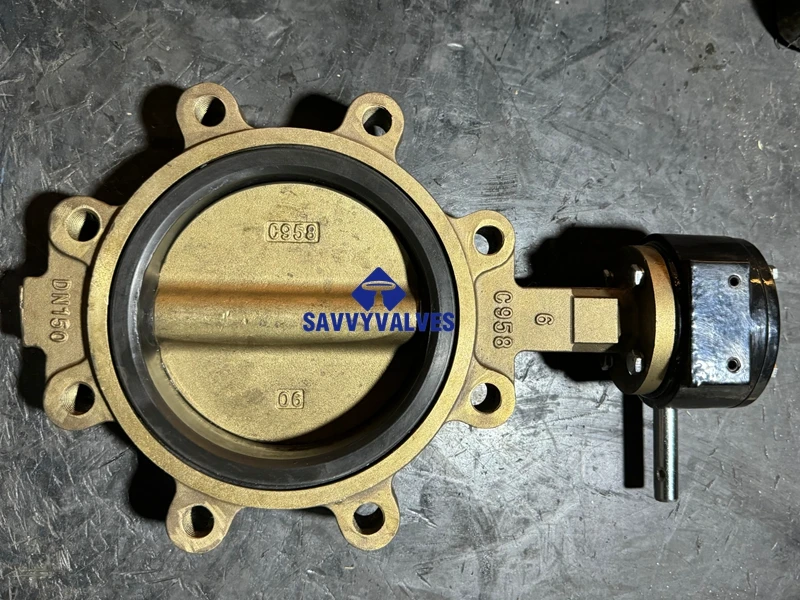 • Body & Disc: C95800 Aluminum Bronze (superior seawater/corrosion resistance)
• Stem: Monel K500 (exceptional strength & chloride stress corrosion cracking resistance)
• Seat: Viton® (excellent chemical/weather resistance, -20°C to 120°C)
• Operation: Lever or Gear Actuator (selectable for manual/process control)
-
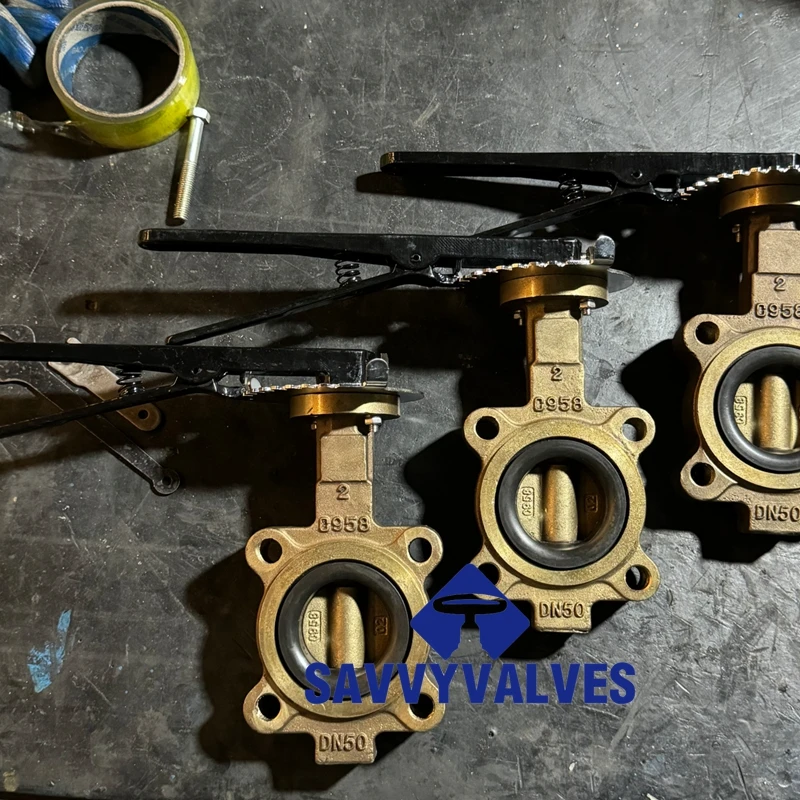 • Body & Disc: C95800 Aluminum Bronze (superior seawater/corrosion resistance)
• Stem: Monel K500 (exceptional strength & chloride stress corrosion cracking resistance)
• Seat: Viton® (excellent chemical/weather resistance, -20°C to 120°C)
• Operation: Lever or Gear Actuator (selectable for manual/process control)
-
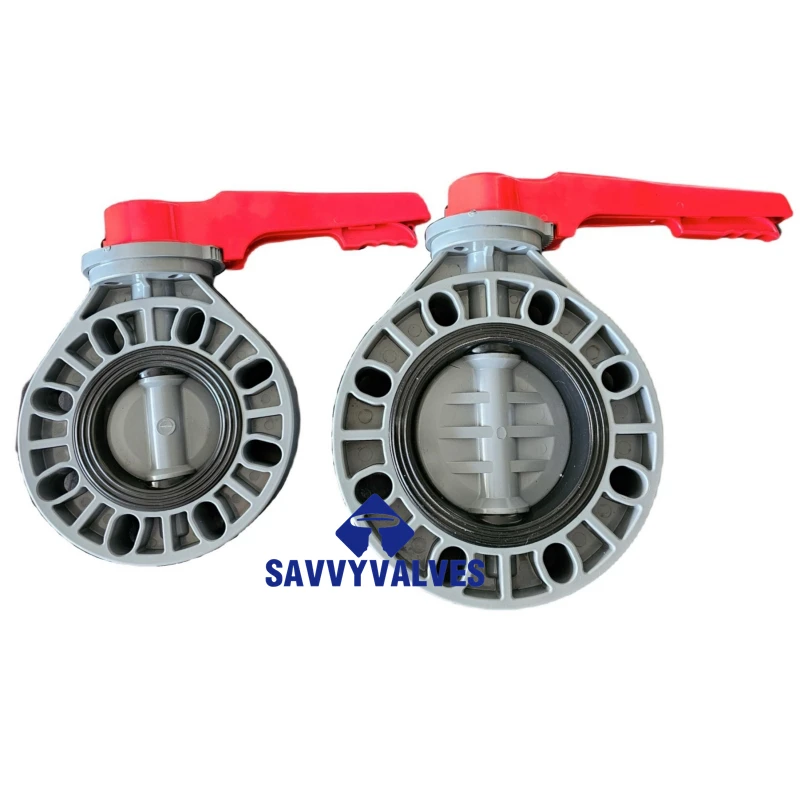 Size: 4” & 6” (DN100 & DN150)
Pressure Rating: 150LB (PN16)
Main Materials:
Body & Disc: CPVC (Corrosion-resistant, lightweight design)
Stem: 304 Stainless Steel (High strength, excellent corrosion resistance)
Seat: EPDM (Superior sealing, chemical-resistant)
Operator: Lever (Quick and easy manual operation)
Connection Types:
Wafer Type – Compact design for standard flange installation
Lug Type – Allows single-side removal for easy maintenance
Monoflange – Flexible adaptation to multiple flange standards
-
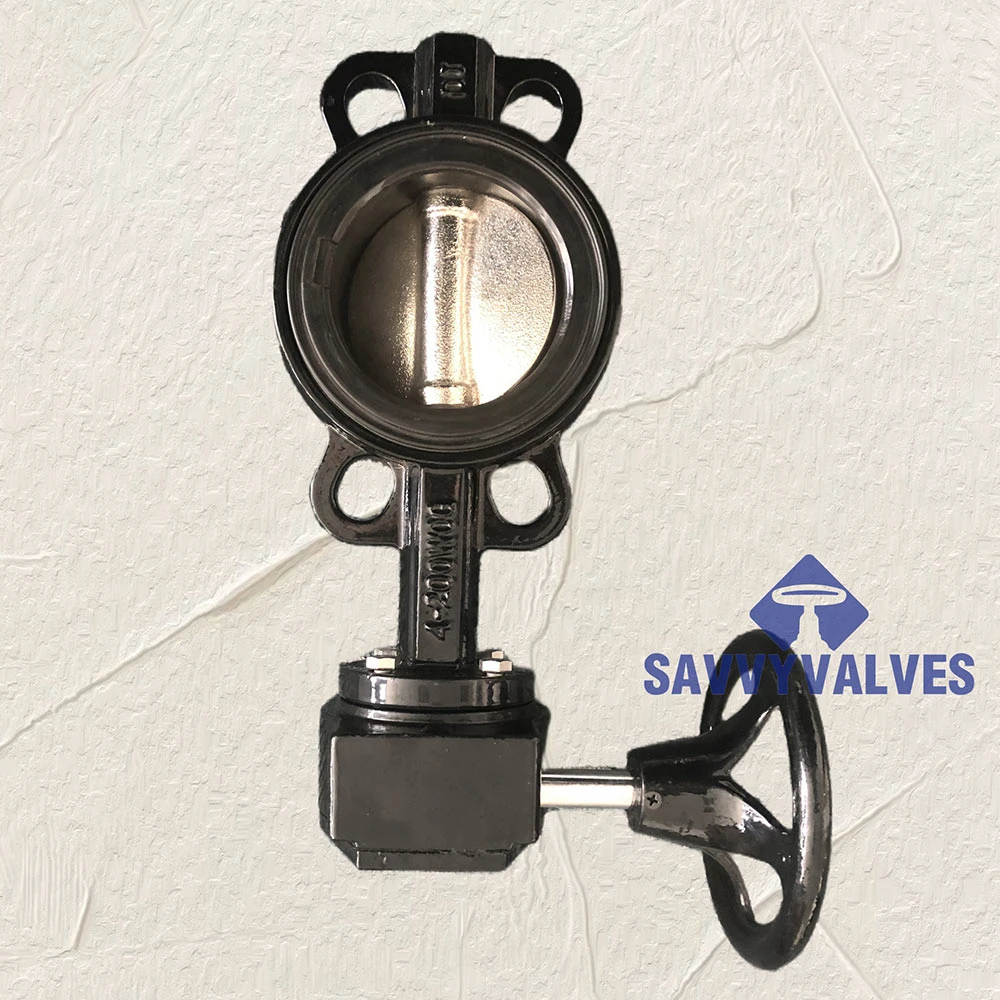 ROZMIAR: 8″~14″
OCENA: 200WOG
KORPUS: ŻELIWO SFEROIDALNE ASTM A536
TARCZA: ŻELIWO SFEROIDALNE ASTM A536
MOSTEK: SS416 BEZ PINÓW
SIEDZISKO: NBR
NAPĘD: JEDNOSTKA PRZEKŁADNIOWA
Zawór motylkowy to rodzaj zaworu ćwierćobrotowego, który służy do regulacji, odcinania lub uruchamiania i zatrzymywania przepływu cieczy w systemie rurociągów. Składa się z okrągłego dysku lub płytki zamontowanej na obracającym się wałku. Gdy uchwyt lub siłownik obraca wałek o 90 stopni, dysk przesuwa się z pozycji całkowicie zamkniętej do całkowicie otwartej, umożliwiając przepływ przez zawór. Dysk pozostaje na drodze przepływu nawet w pozycji otwartej, co oznacza, że zawsze występuje niewielki spadek ciśnienia. Zawory motylkowe znane są ze swojej kompaktowej konstrukcji, szybkiej pracy i opłacalności, szczególnie w rurociągach o dużej średnicy. Występują w różnych typach, takich jak międzykołnierzowe, przelotowe oraz z podwójnym lub potrójnym odsadzeniem, w zależności od wymagań dotyczących ciśnienia i uszczelnienia. Zawory te są szeroko stosowane w takich branżach jak uzdatnianie wody, HVAC, przetwórstwo chemiczne, przemysł naftowy i gazowy oraz spożywczy i napojowy, ze względu na swoją niezawodność, niskie koszty konserwacji i łatwość montażu.


 Polish
  English
  Arabic
  Azerbaijani
  Czech
Czech  Dutch
Dutch  French
  German
  Indonesian
  Italian
  Japanese
  Korean
  Malay
Malay  Persian
  Portuguese
  Russian
  Spanish
  Thai
Thai  Vietnamese