
Zawory kulowe
-
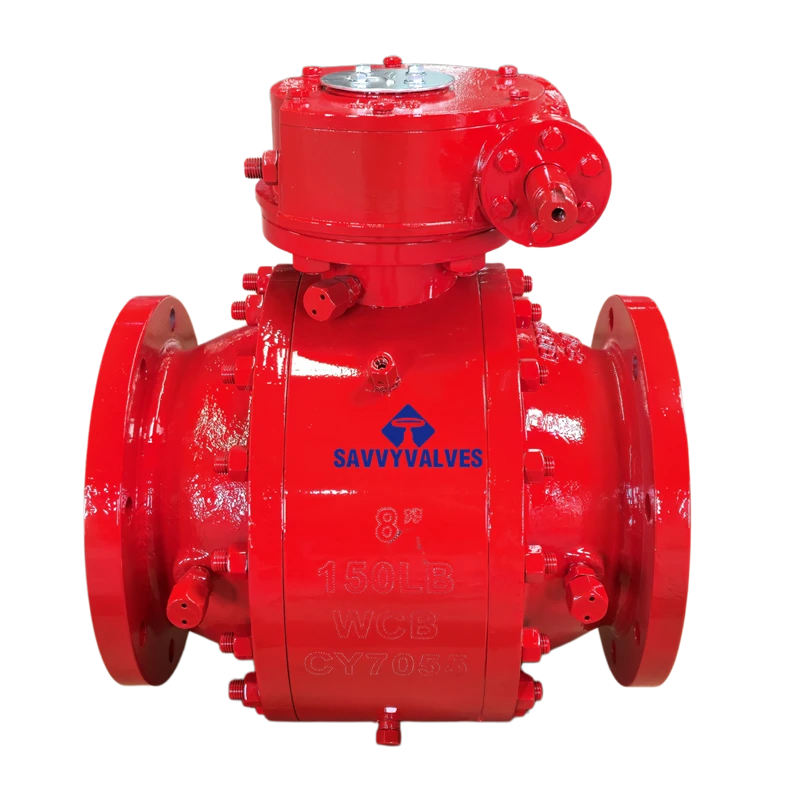 Valve Type Three-Piece Trunnion Mounted Ball Valve
Body Type Three-Piece Bolted Body (Split Body)
Ball Support Trunnion Mounted (Fixed Ball)
End Connection Flanged, Raised Face (RF)
Nominal Size NPS 8 (DN200)
Pressure Class Class 150
Body Material A105 (Carbon Steel)
Service Medium Water / Oil / Gas / General Purpose
Operation Gearbox with Handwheel (Std.) / Actuator ready
-
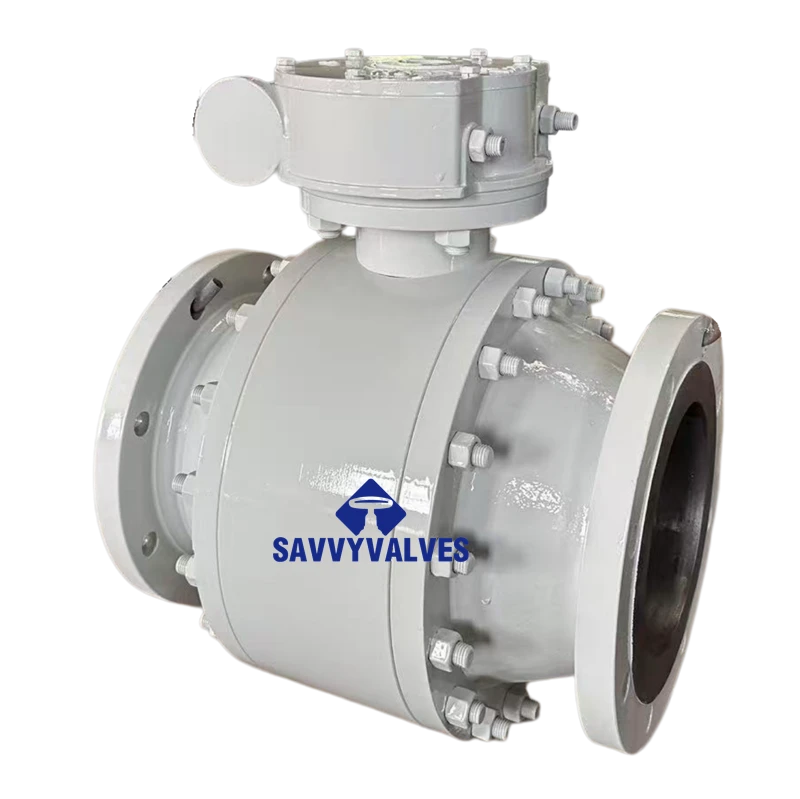 Valve Type Three-Piece Trunnion Mounted Ball Valve
Body Type Three-Piece Bolted Body (Split Body)
Ball Support Trunnion Mounted (Fixed Ball)
End Connection Flanged, Raised Face (RF)
Nominal Size NPS 8 (DN200)
Pressure Class Class 150
Body Material A105 (Carbon Steel)
Service Medium Water / Oil / Gas / General Purpose
Operation Gearbox with Handwheel (Std.) / Actuator ready
-
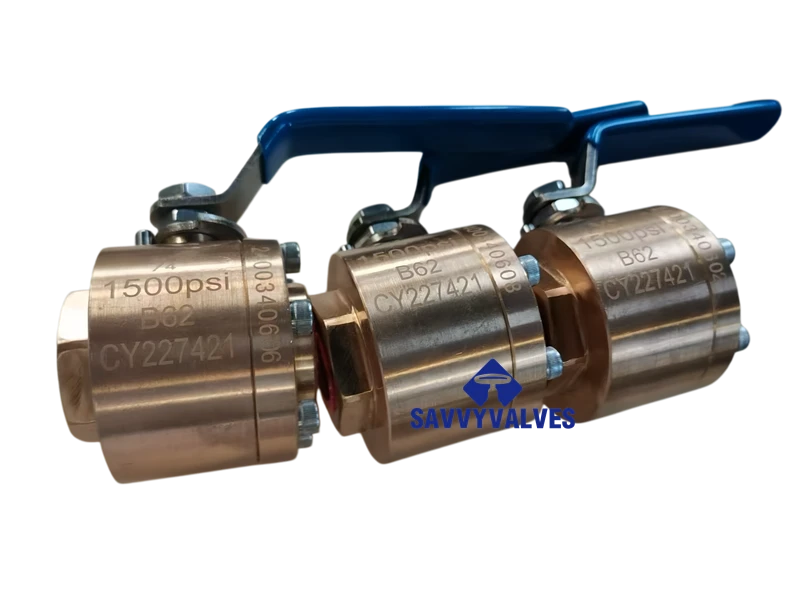 Valve Type Floating Ball Valve
Body Type 2-Piece Bolted Body
Nominal Size 3/4 inch (DN20)
Pressure Rating Class 1500 (ASME B16.34)
Connection Type NPT Female Thread (ASME B1.20.1)
Body Material ASTM B62 (C83600, Tin Bronze / 85-5-5-5)
Seat Material PEEK (Polyether Ether Ketone)
Applicable Media Water, Oil, Gas, and some corrosive media (verify chemical compatibility with PEEK)
Temperature Range -40°C ~ +260°C (Typical for PEEK; dependent on pressure)
-
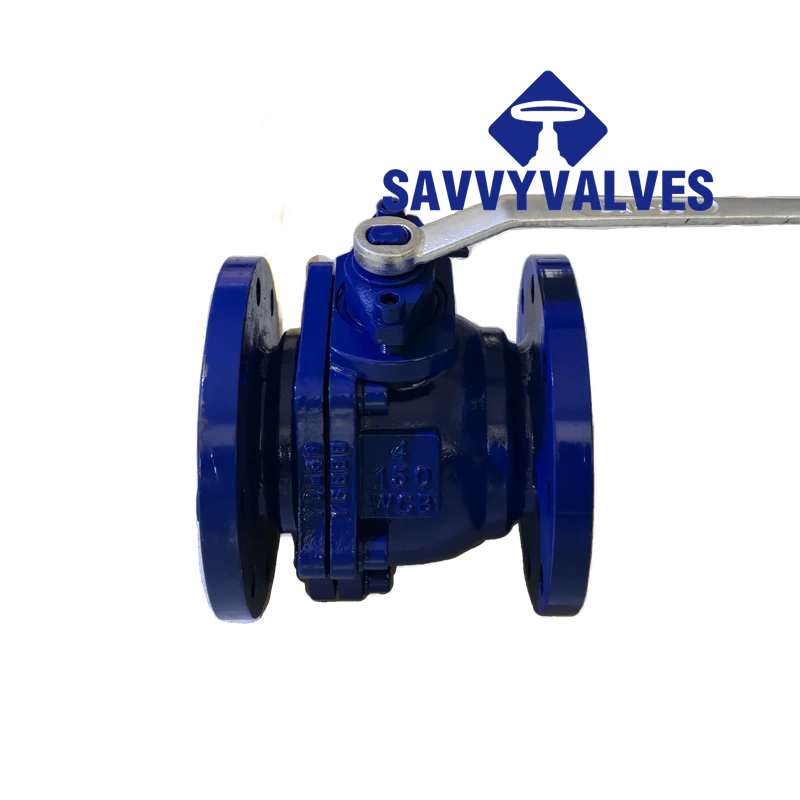 Design & Manufacture GB/T 12237, API 608
Face-to-Face Dimension GB/T 12221, ASME B16.10
Flange Dimension GB/T 9113, HG/T 20592, ASME B16.5
Pressure Testing GB/T 13927, API 598, JB/T 9092
Lining Process Standard HG/T 3704
-
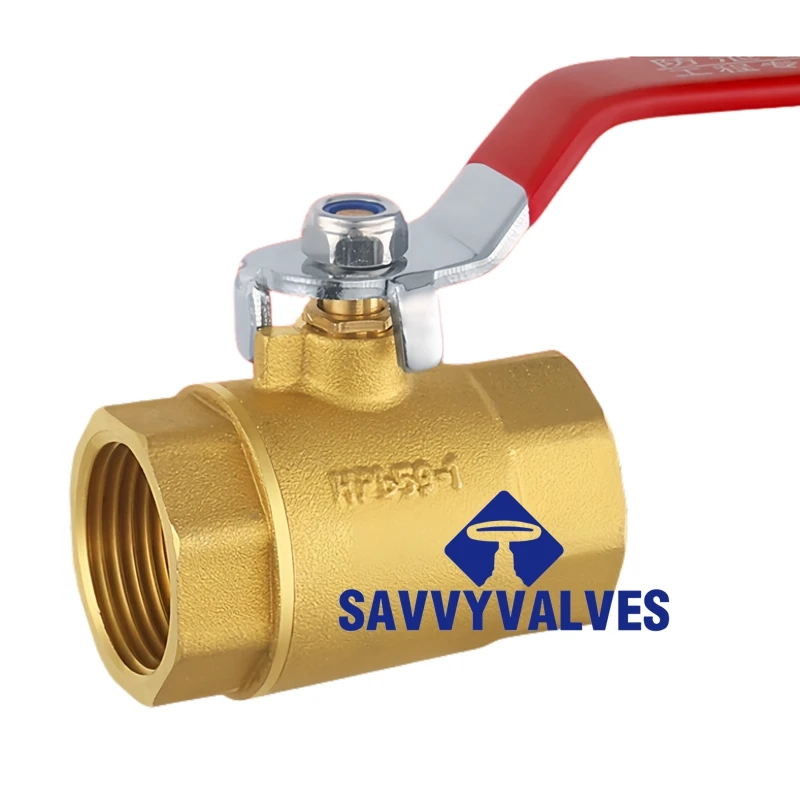 Valve Type 2-Piece Floating Ball Valve
Body Material 59-1 Brass (CuZn40Pb2 • GB/T 5231) • Dezincification Resistant
Ball Material Chrome-Plated Brass (Surface Ra ≤0.8 μm)
Seat Material Reinforced PTFE (Standard) • Optional: RPTFE + 15% Glass Fiber
Stem Material Forged 59-1 Brass • Anti-Blowout Design
Seals EPDM O-Rings (Standard) • Optional: VITON®/PTFE
-
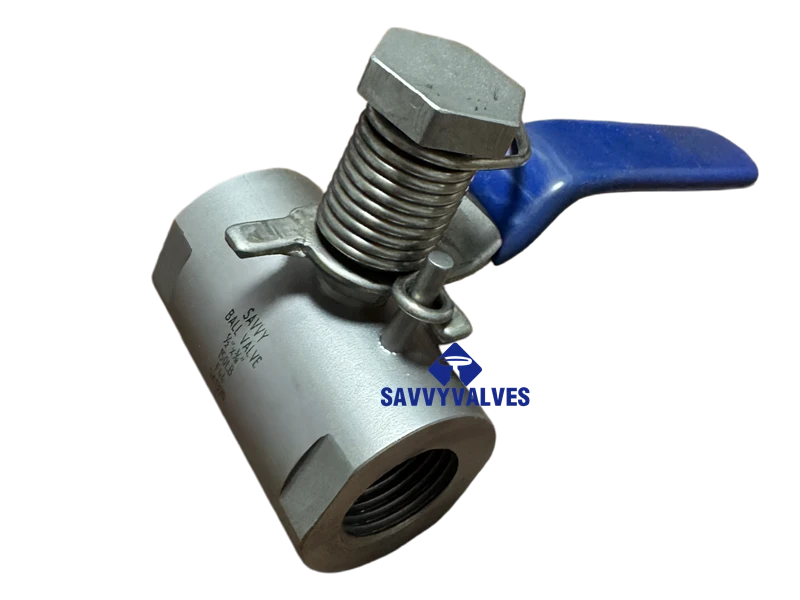 Valve Type Floating Ball Valve with Spring Return (Fail Close)
Nominal Diameter (DN) 1/2″ ~ 4″ (DN15 ~ DN100)
Nominal Pressure (Class) Class 150 LB
Connection Type Flanged / Threaded / Socket Weld (as required)
Operation Type Manual Lever Handle with Spring Return (Fail Close)
-
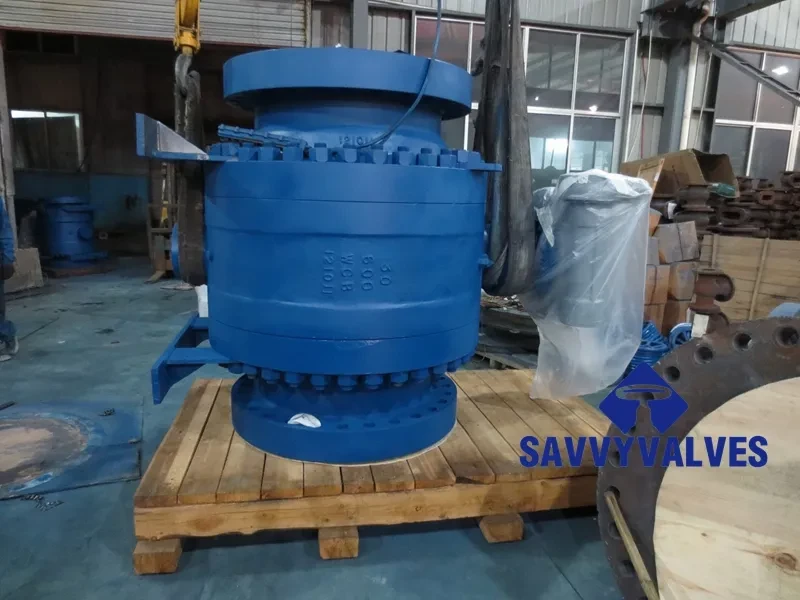 Valve Type 3-Piece Trunnion Ball Valve
Nominal Bore 30 inches (DN750)
Pressure Class 600 LB (Class 600)
Connection Type Flanged Ends (RF)
Operation Type Worm Gear Operator
Design Standard API 6D / ASME B16.34
-
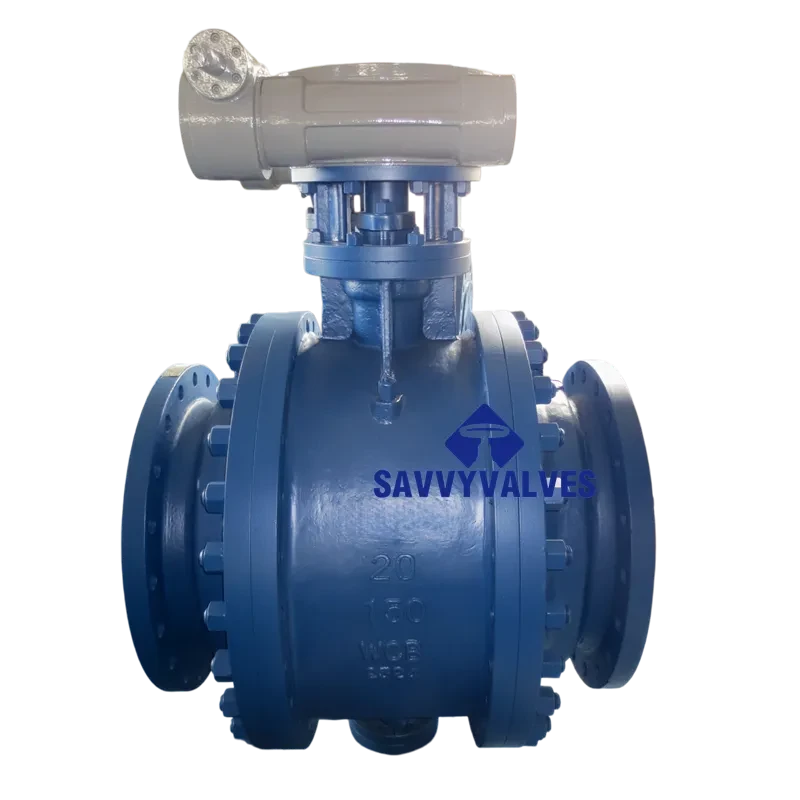 Valve Type 3-Piece Trunnion Ball Valve
Nominal Bore 20 inches (DN500)
Pressure Class 150 LB (Class 150)
Connection Type Flanged Ends (RF)
Operation Type Worm Gear Operator
Design Standard API 6D / ASME B16.34
Face-to-Face ASME B16.10
Flange Standard ASME B16.5
Inspection & Test API 598
-
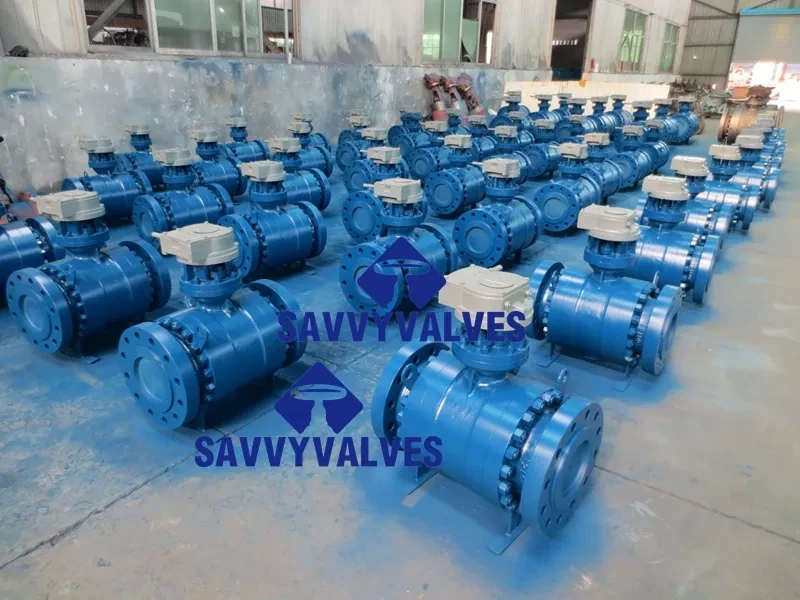 Body Construction Cast three-piece bolted body (left body + center body + right body)
Design Standard API 6D, API 608, ASME B16.34, ISO 14313, ISO 17292
Face-to-Face Dimension ASME B16.10, API 6D
-
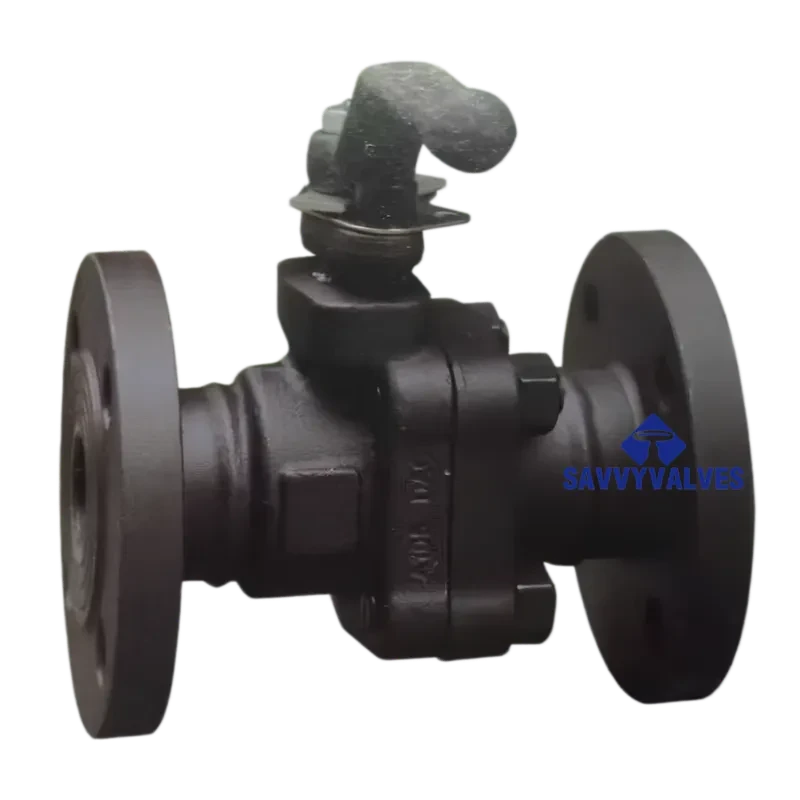 Valve Type Floating Ball Valve
Body Type 2-Piece Split Body Construction
Manufacturing Process Die Forging
Design Standard API 608 / ASME B16.34 / BS 5351
Nominal Size 1/2″ ~ 2″ (DN15 ~ DN50)
Pressure Class Class 150 ~ 2500 LB (PN16 ~ PN420)
Connection Type Flanged (RF/RTJ) / Socket Weld (SW) / Butt Weld (BW) / Threaded (NPT)
Operation Lever Handle / Gear Operator / Pneumatic Actuator
-
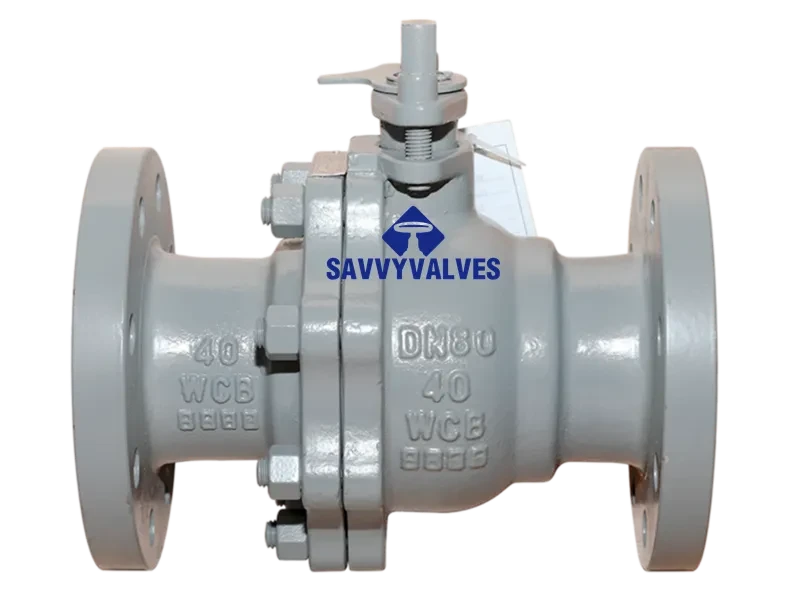 Nominal Size DN80
Pressure Rating PN40 (4.0 MPa / 40 bar)
End Connection Flanged, Raised Face (RF) — EN 1092 1 / ASME B16.5 or equivalent
Body Construction Floating ball, two piece or three piece design
Temperature Range –29°C ~ +150°C (depending on seat material)
Applicable Media Water, oil, gas, mild corrosive fluids, etc.
Flange Standard EN 1092 1 PN40 / ASME B16.5 Class 300 (customer specified)
Face to Face EN 558 Series 1 / ASME B16.10
-
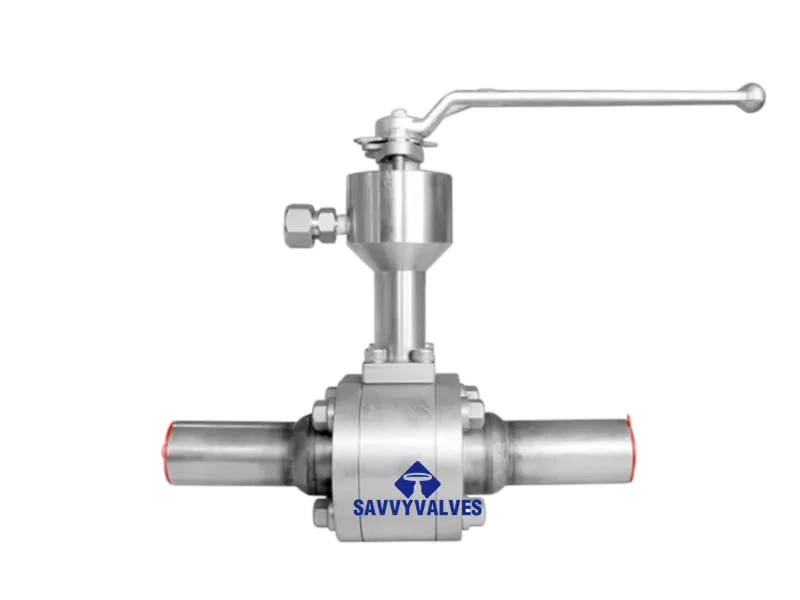 Size 1 inch (DN25)
Pressure Class Class 800 LB (PN130 / 2000 PSI)
Body Material Stainless Steel (ASTM A182 F304 / F316 / F316L)
Manufacturing Process Forged Steel (Close Die Forged)
Design Standard ASME B16.34 / API 608 / API 6D
End Connection Standard ASME B1.20.1 (NPT) / ASME B16.25 (BW) / ASME B16.11 (SW)
Face to Face Standard Manufacturer Standard
Zawór kulowy to rodzaj zaworu ćwierćobrotowego, który reguluje przepływ za pomocą pustej, perforowanej i obrotowej kuli wewnątrz korpusu zaworu. Gdy otwór kuli jest wyrównany z rurociągiem, ciecz przepływa swobodnie; po obróceniu o 90 stopni przepływ jest całkowicie zablokowany. Ten prosty mechanizm sprawia, że zawory kulowe są niezwykle niezawodne w zastosowaniach odcinających i sterujących. Zawory kulowe znane są ze swojej szczelności, trwałości i łatwości obsługi. Mogą pracować w warunkach wysokiego ciśnienia i temperatury i nadają się do gazów, cieczy, a nawet mediów korozyjnych, w zależności od użytych materiałów. Dzięki minimalnemu spadkowi ciśnienia i szybkiemu sterowaniu, zawory kulowe są szeroko stosowane w przemyśle naftowym i gazowym, uzdatnianiu wody, przetwórstwie chemicznym i ogólnej hydraulice. Występują w różnych typach, takich jak dwudrogowe, trójdrogowe, pływające i mocowane na czopie, i mogą być obsługiwane ręcznie, pneumatycznie lub elektrycznie.


 Polish
  English
  Arabic
  Azerbaijani
  Czech
Czech  Dutch
Dutch  French
  German
  Indonesian
  Italian
  Japanese
  Korean
  Malay
Malay  Persian
  Portuguese
  Russian
  Spanish
  Thai
Thai  Vietnamese