
制御弁
-
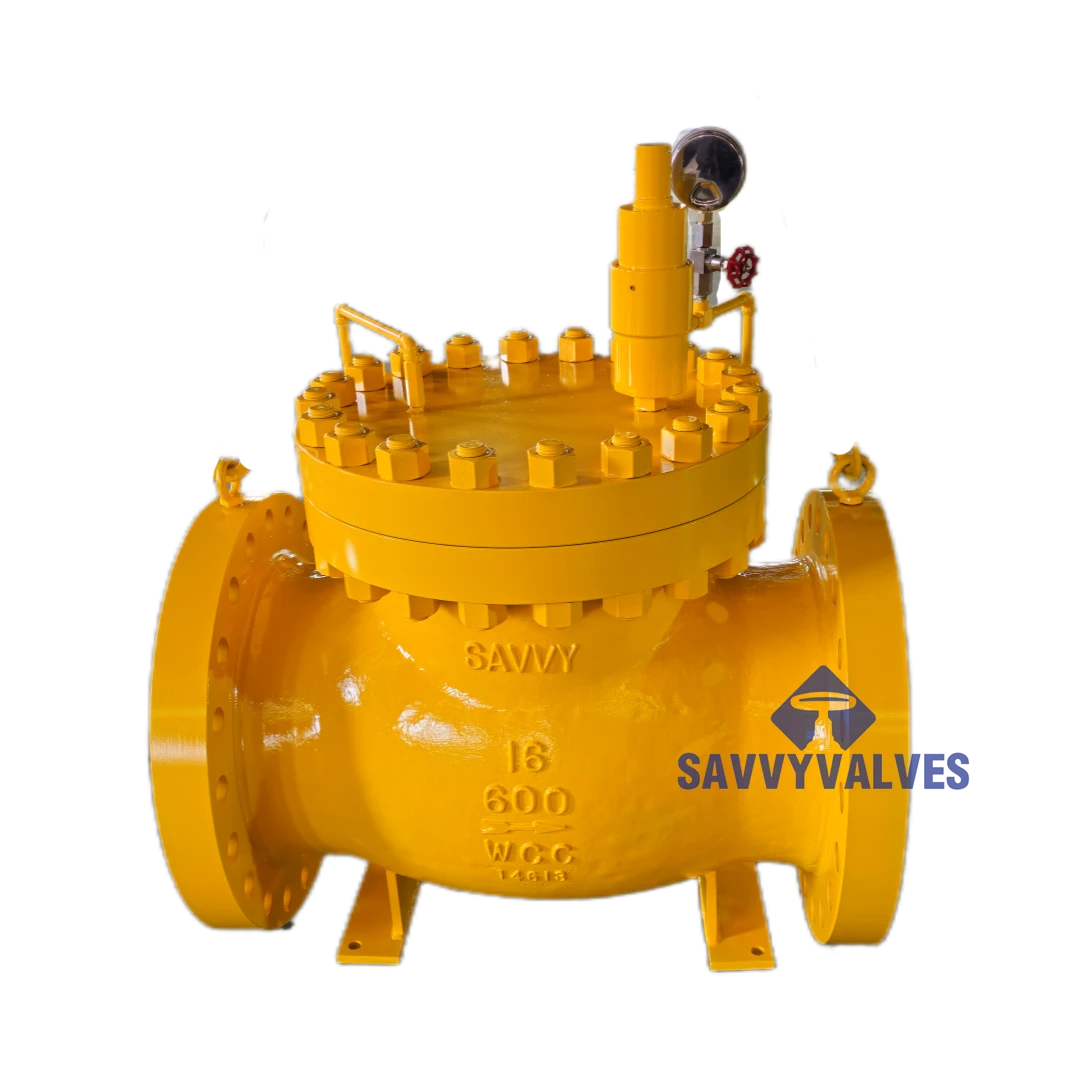 概要:下流の流量を設定圧力に調整します。バランスの取れたピストントリム設計。
サイズ:16インチ
定格: 600LB
材質: ASTM A216 WCC 本体とカバー
ASTM A182 F316トリム
RPTFEシート
オペレーター: パイロット 自己制御
-
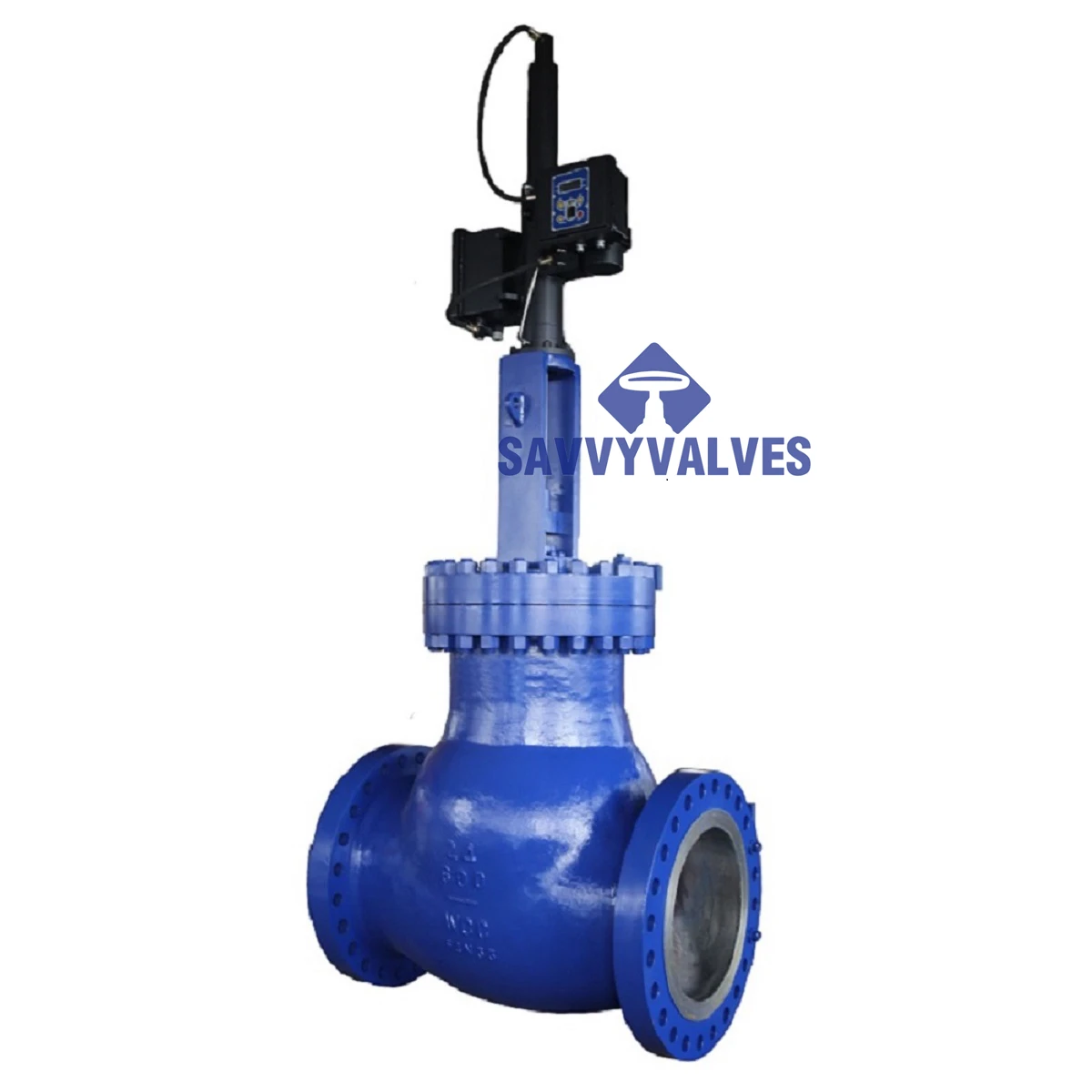 サンプル仕様
サイズ:24インチ
定格:600LB
ボディとボンネット:ASTM A216 WCC
プラグ: ASTM A182 F316 +ステライト6
ステム:ASTM A182 F6A
ケージ: ASTM A276 416
シート:ASTM A105+ステライト6
駆動方式:電動油圧アクチュエータ
-
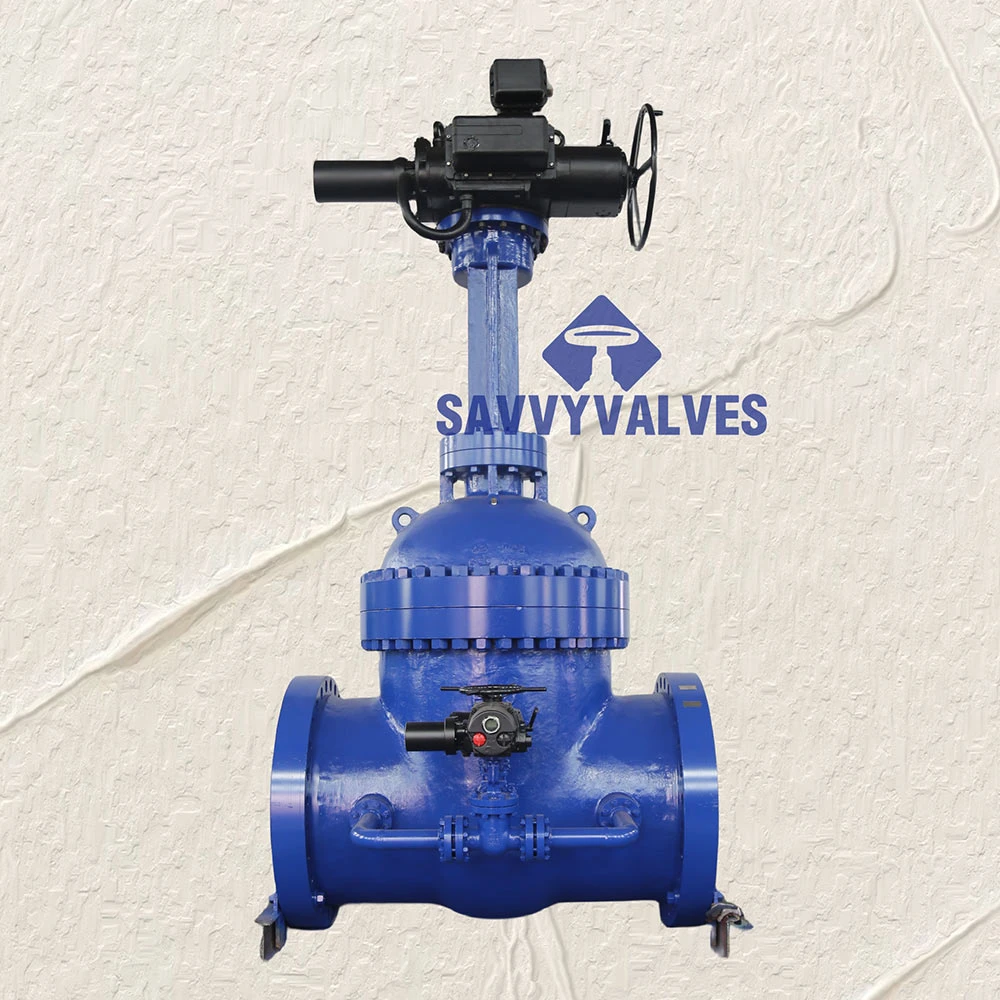 写真の仕様は以下のとおりです
サイズ:42″br> 定格:600LBbr> ボディとボンネット: ASTM A216 WCBbr> ディスク: ASTM A216 WCB+ステライト 6、フレキシブルウェッジ、フルポートbr> ステム: ASTM A182 F6Abr> シート: ASTM A105+ステライト 6br> アクチュエーション: リミトルク SMC-5 480V AC、3PH、60HZ、手動オーバーライド付きbr> -
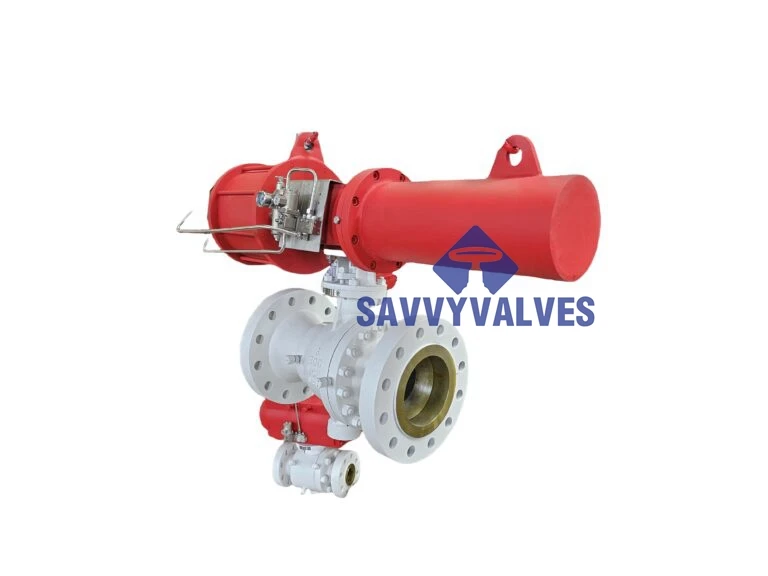 サイズ:8インチ×6インチ
定格: 600LB
材質: ASTM A216 WCBボディとボンネット
ASTM A182 F316Lトリム
RPTFEシート
操作部: 単動スプリングリターン空気圧
-
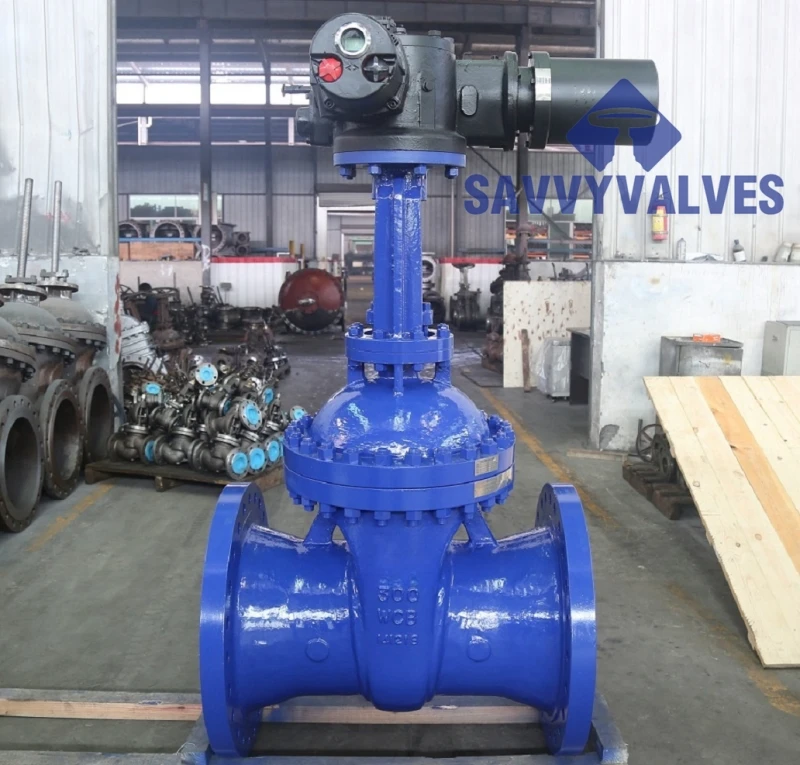 写真の仕様は以下のとおりです
サイズ:20インチ×16インチ
定格:300LB 600LB
ボディとボンネット:ASTM A216 WCB
ディスク: ASTM A216 WCB+ステライト6、フレキシブルウェッジ
ステム:ASTM A182 F6A
シート:ASTM A105+ステライト6
作動: リミットトルクインテリジェント変調タイプ、4~20mA 信号、480V AC、3PH、60HZ、手動オーバーライド付き。
-
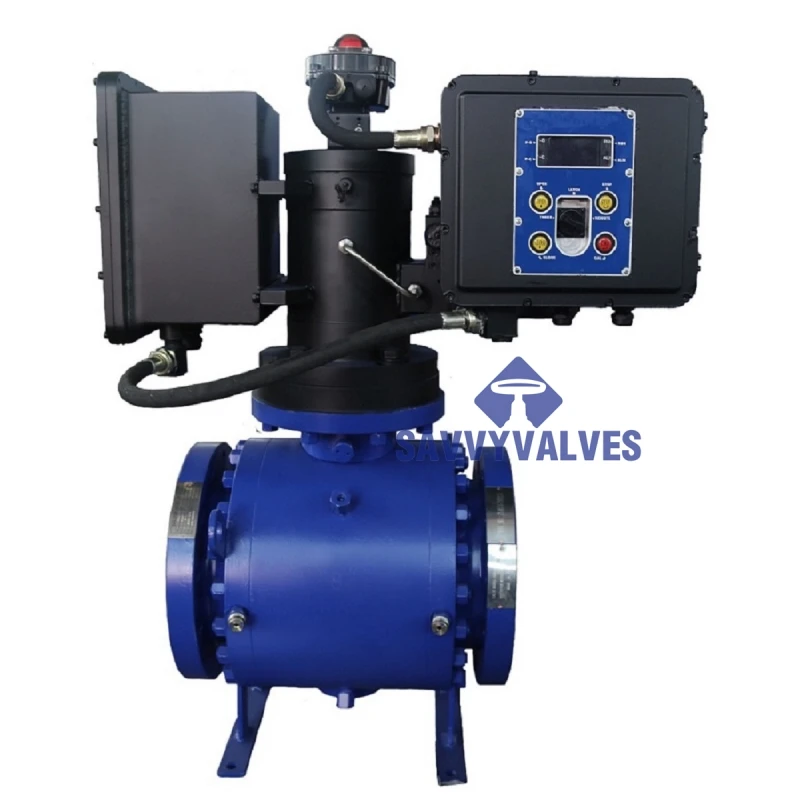 サンプル仕様
サイズ:8インチ
定格:300LB
ボディとボンネット:ASTM A350 LF2
Vノッチボール:ASTM A182 F316+TCC 90℃ノッチ。
ステム: ASTM A564 17-4PH
シート: ASTM A182 F316+TCC
スプリング:インコネルX-750
駆動方式:電動油圧アクチュエータ
-
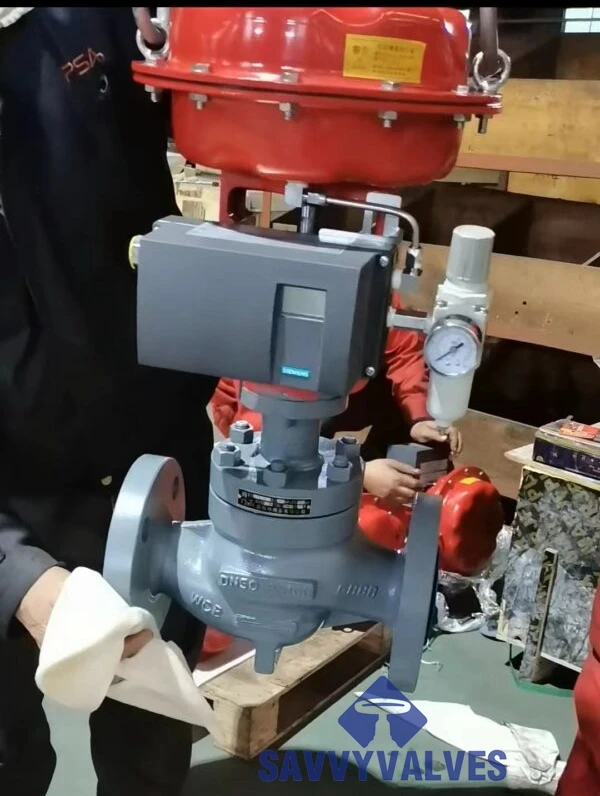 サンプル仕様
サイズ:2インチ
定格:600LB
ボディとボンネット:ASTM A216 WCC
プラグ: ASTM A182 F316 +ステライト6
ステム:ASTM A182 F6A
ケージ: ASTM A276 416
シート:ASTM A105+ステライト6
駆動方式:ダイヤフラム空気圧駆動
-
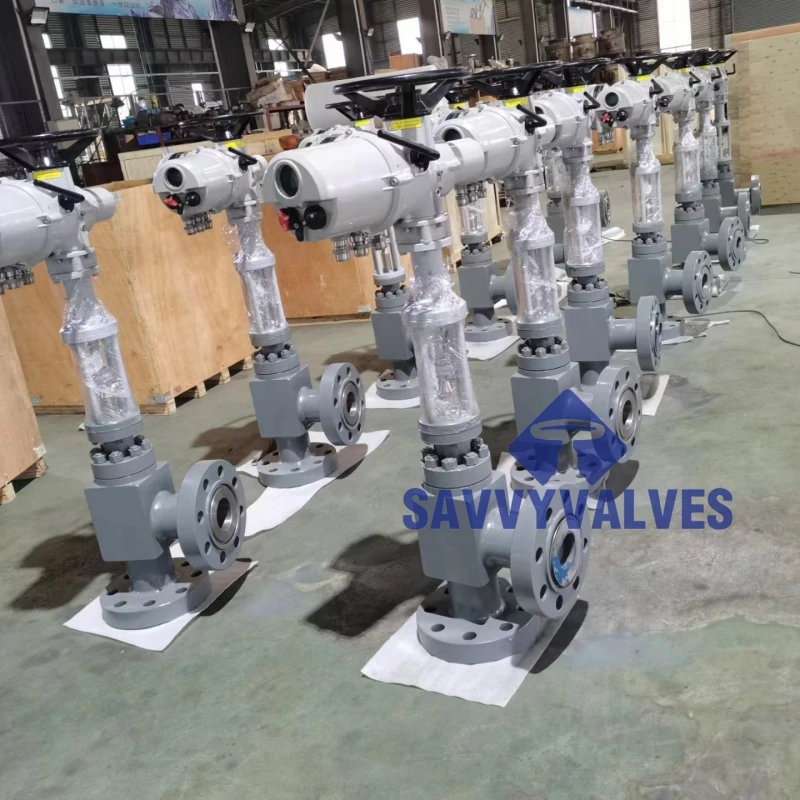 写真の仕様は以下のとおりです
サイズ:3インチ
定格: 10000PSIG
ボディとボンネット:TC YG6
プラグ: TC YG20
ステム:インコネル625
ケージ:インコネル625
座席: YG 6
駆動方式:電動アクチュエータ
-
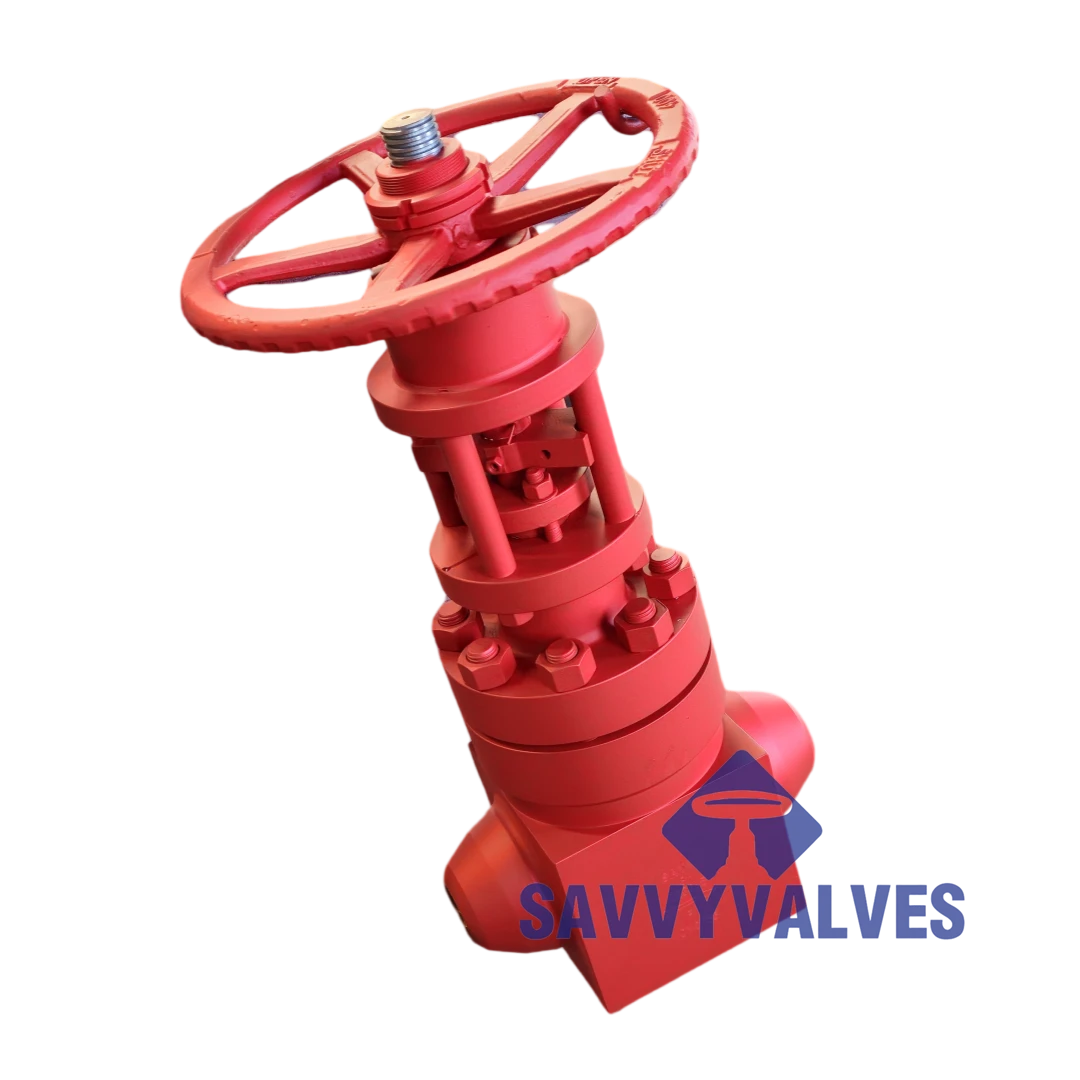 簡単な:
簡単な:
サイズ:3インチ
評価:2500LB
材料:
ASTM A182 F11 ボディとボンネット
ASTM A182 F11+ステライト6ディスク
ASTM A182 F6Aステム
ステライト6オーバーレイボディシート
オペレーター: ハンドホイール
終了: ANSI B16.25に準拠したBW
-
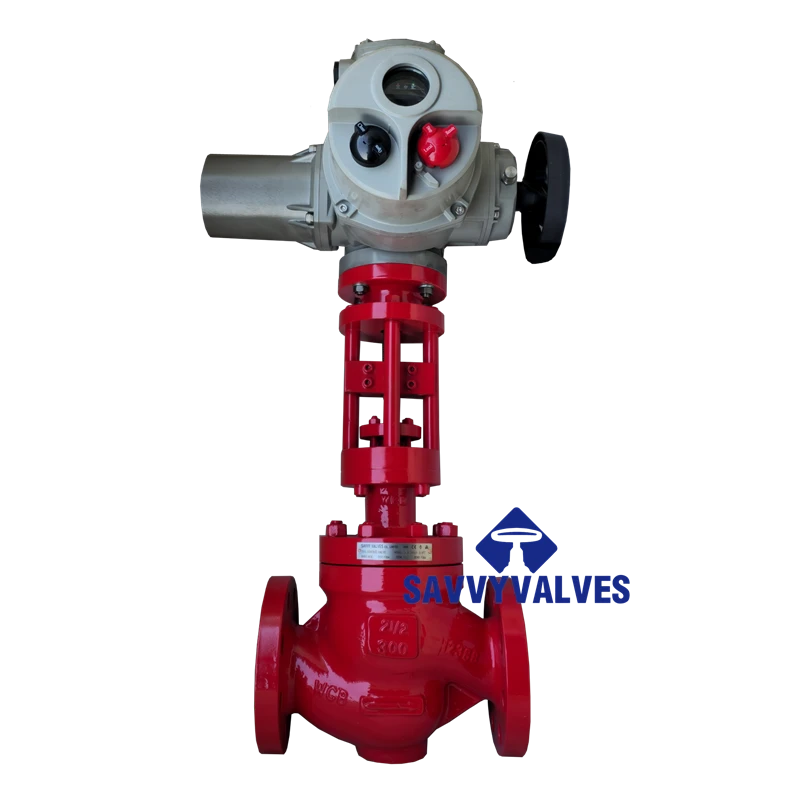 Valve Type Electric Modulating Control Valve, Balanced Cage-Guided, Globe Pattern
Size Range DN25 – DN300 (1″ to 12″)
Pressure Rating PN16 / PN25 / PN40 / PN64 / PN100 / Class 150 / 300 / 600
End Connection Flanged (RF / RTJ) per ASME B16.5 or EN 1092-1
Design Standard IEC 60534-2-1 / ASME B16.34 / DIN EN 1349
Face to Face Standard IEC 60534-3-1 / ASME B16.10
Test Standard IEC 60534-4 / ANSI/FCI 70-2
Service Steam, Water, Oil, Gas, Chemical Fluids
Temperature Range -196°C to +450°C (Depending on trim and gasket selection)
Flow Characteristic Equal Percentage (EQ%)
Action Type Air-to-Close / Air-to-Open (Fail-Safe Position: Specify)
-
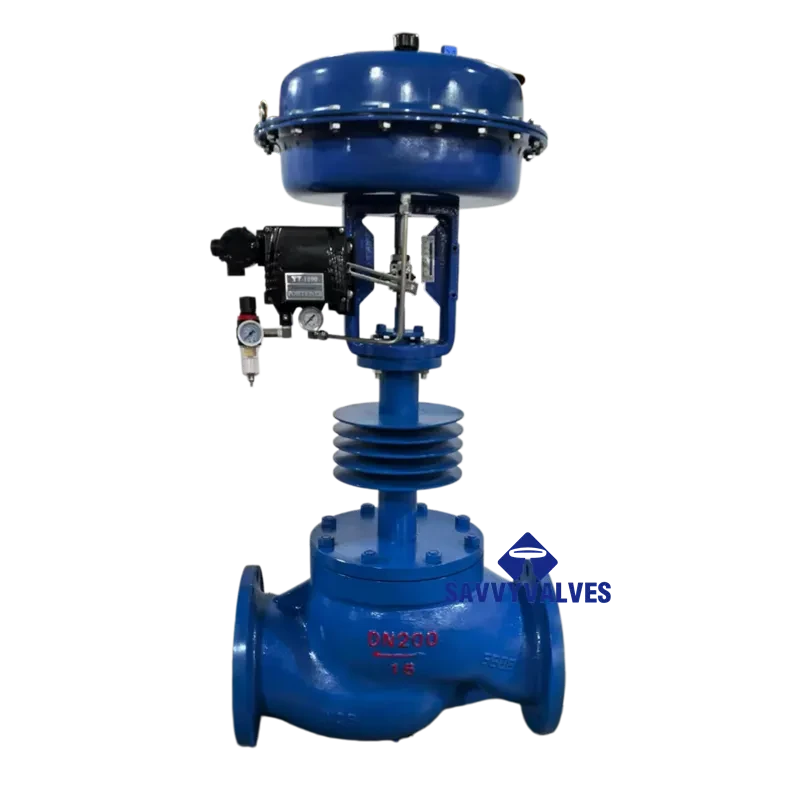 Product Name Diaphragm Pneumatic Actuated Control Valve
Valve Type / Model DN200-PN16-RF (Diaphragm type)
Nominal Diameter (DN) 200 mm
Nominal Pressure (PN) PN16 (1.6 MPa / 232 psi)
Connection Type Flanged
Flange Face Type RF (Raised Face)
Applicable Flange Standard GB/T 9119 / HG/T 20592 / ASME B16.5 (or as specified)
-
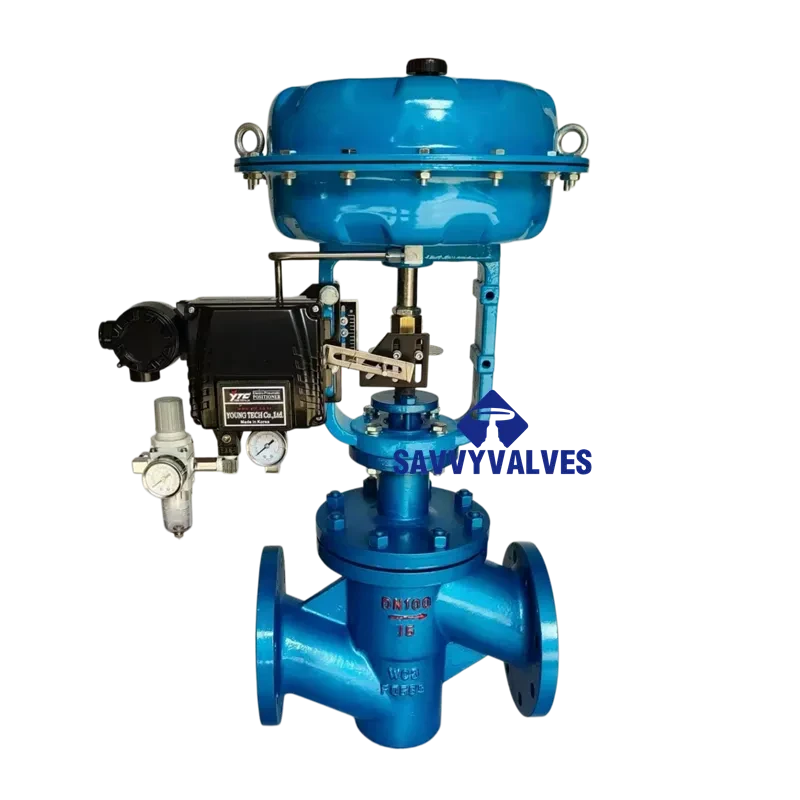 Product Name Diaphragm Pneumatic Actuated Control Valve
Valve Type / Model DN100-PN16-RF (Diaphragm type, lined)
Nominal Diameter (DN) 100 mm
Nominal Pressure (PN) PN16 (1.6 MPa / 232 psi)
Connection Type Flanged
Flange Face Type RF (Raised Face)
Applicable Flange Standard GB/T 9119 / HG/T 20592 / ASME B16.5 (or as specified)
Lining Material FEP / PFA / PTFE (fluoroplastic lining) – selected based on media & temperature
A control valve is a critical component in fluid handling systems, used to regulate the flow rate, pressure, temperature, or level of a fluid by varying the size of the flow passage. It operates by receiving signals from a controller, which determines how much the valve should open or close based on input from process sensors. The valve includes an actuator (pneumatic, electric, or hydraulic) that moves the valve stem or plug in response to control signals. This modulation of valve position allows for precise adjustments of fluid parameters within a system. Control valves are essential in automated process control, helping maintain desired operating conditions in industries such as oil and gas, power generation, water treatment, and chemical manufacturing. Depending on the design, they may operate linearly or rotationally and can be equipped with positioners to ensure accurate alignment with control signals. Their flexibility and precision make them indispensable for safe, efficient, and responsive control of complex processes.


 Japanese
  English
  Arabic
  Azerbaijani
  Czech
Czech  Dutch
Dutch  French
  German
  Indonesian
  Italian
  Korean
  Malay
Malay  Persian
  Polish
  Portuguese
  Russian
  Spanish
  Thai
Thai  Vietnamese