
Válvulas de controle
-
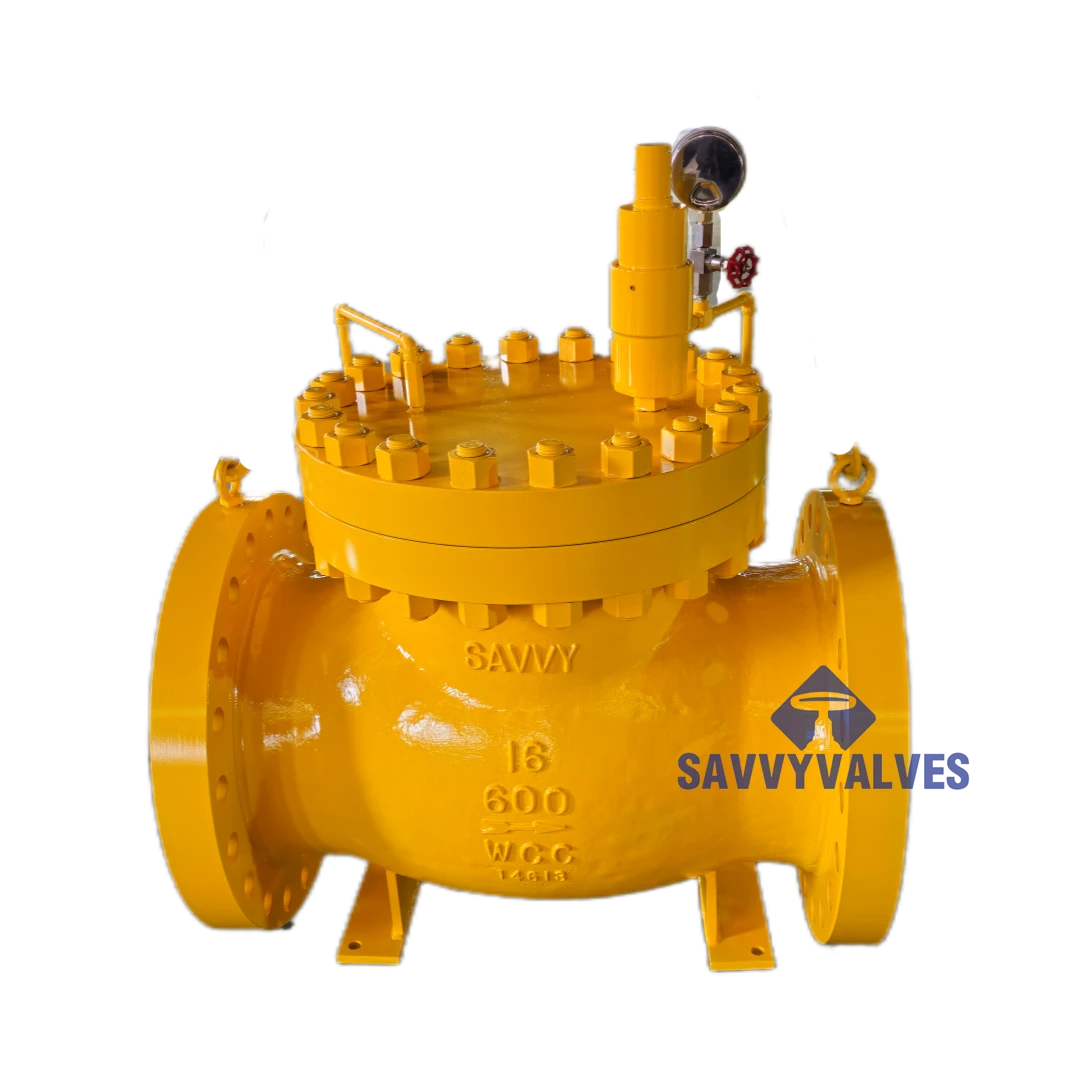 Resumo: regulagem da pressão do fluxo a jusante até a pressão de ajuste. Projeto de guarnições de pistão balanceadas.
Tamanho: 16″
Classificação: 600LB
Materiais: Corpo e tampa ASTM A216 WCC
Guarnições ASTM A182 F316
Assento RPTFE
Operador: Piloto Autocontrolado
-
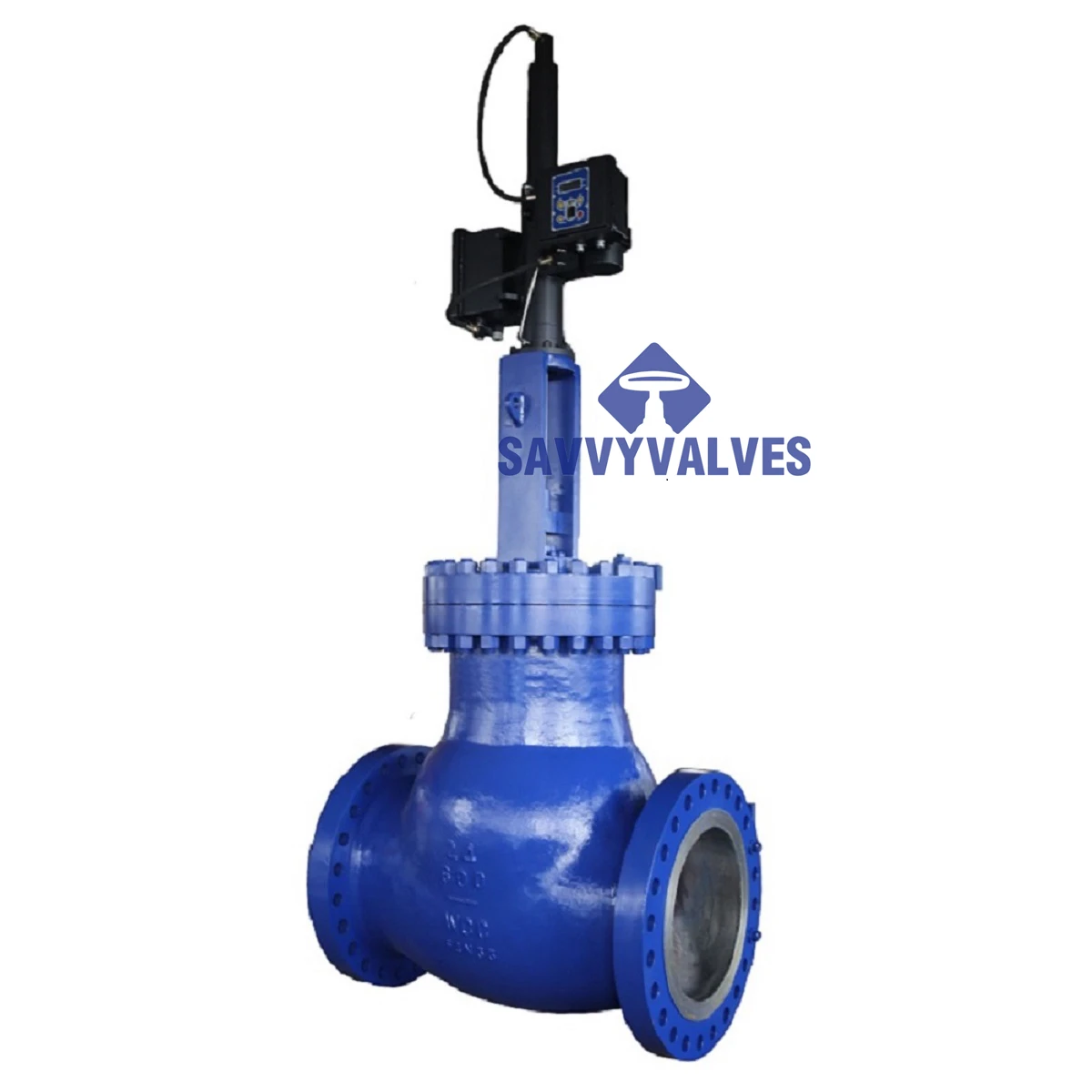 ESPECIFICAÇÕES DE AMOSTRA
TAMANHO: 24″
CLASSIFICAÇÃO: 600LB
CORPO E CAPÔ: ASTM A216 WCC
PLUGUE: ASTM A182 F316 + STELLITE 6
HASTE: ASTM A182 F6A
GAIOLA: ASTM A276 416
ASSENTO: ASTM A105+STELLITE 6
ACIONAMENTO: ATUADOR ELÉTRICO-HIDRÁULICO
-
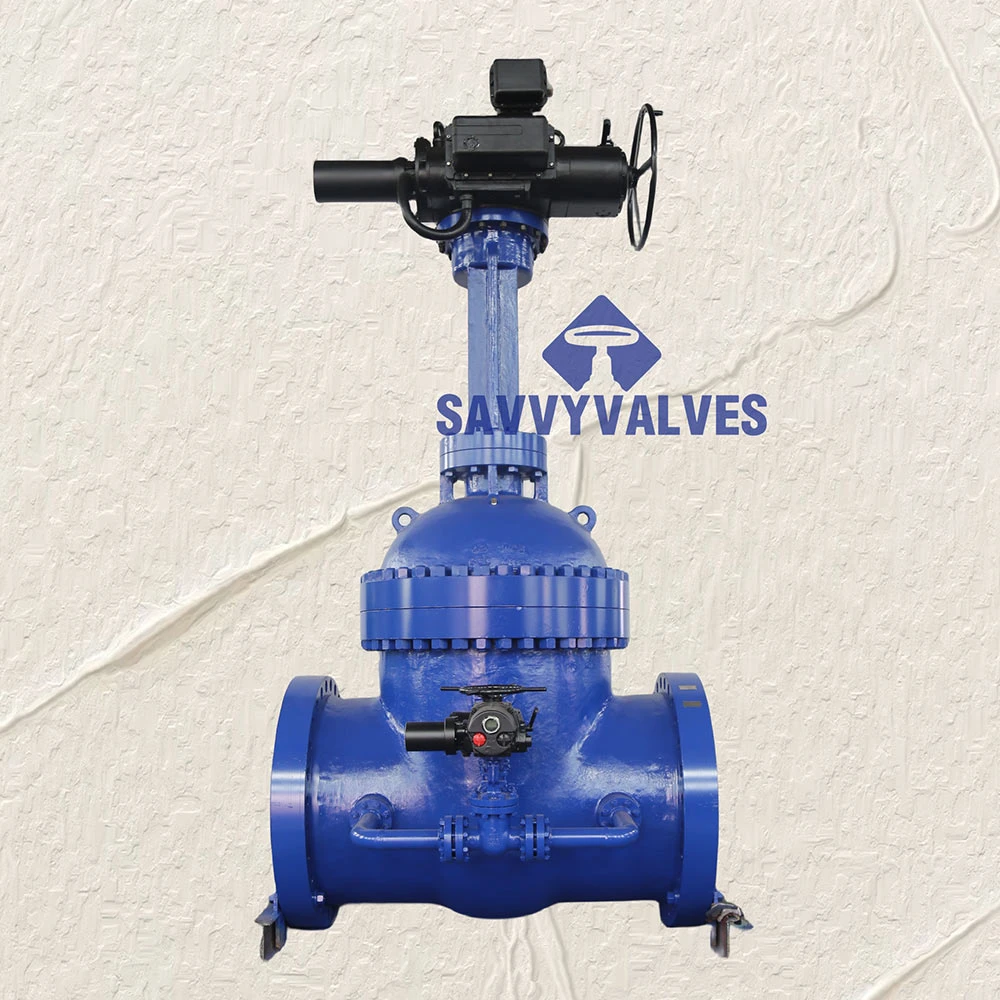 A FOTO MOSTRA AS ESPECIFICAÇÕES ABAIXO
TAMANHO: 42″br> CLASSIFICAÇÃO: 600LBbr> CORPO E CAPÔ: ASTM A216 WCBbr> DISCO: ASTM A216 WCB+STELLITE 6, CUNHA FLEXÍVEL, PORTA COMPLETAbr> HASTE: ASTM A182 F6Abr> ASSENTO: ASTM A105+STELLITE 6br> ACIONAMENTO: LIMITORQUE SMC-5 480 V CA, 3 FAS, 60 Hz, COM ACIONAMENTO MANUAL.br> -
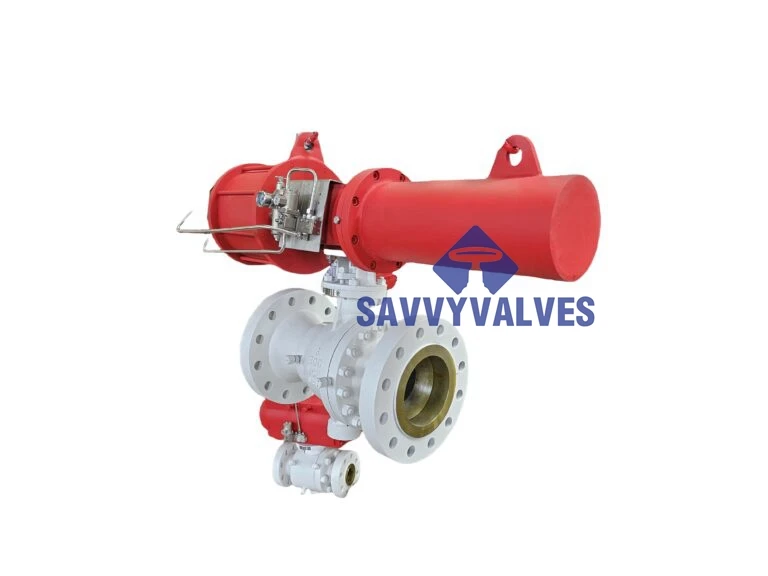 Tamanho: 8″ x 6″
Classificação: 600LB
Materiais: Corpo e tampa ASTM A216 WCB
Guarnições ASTM A182 F316L
Assento RPTFE
Operador: Pneumático com retorno por mola de ação simples
-
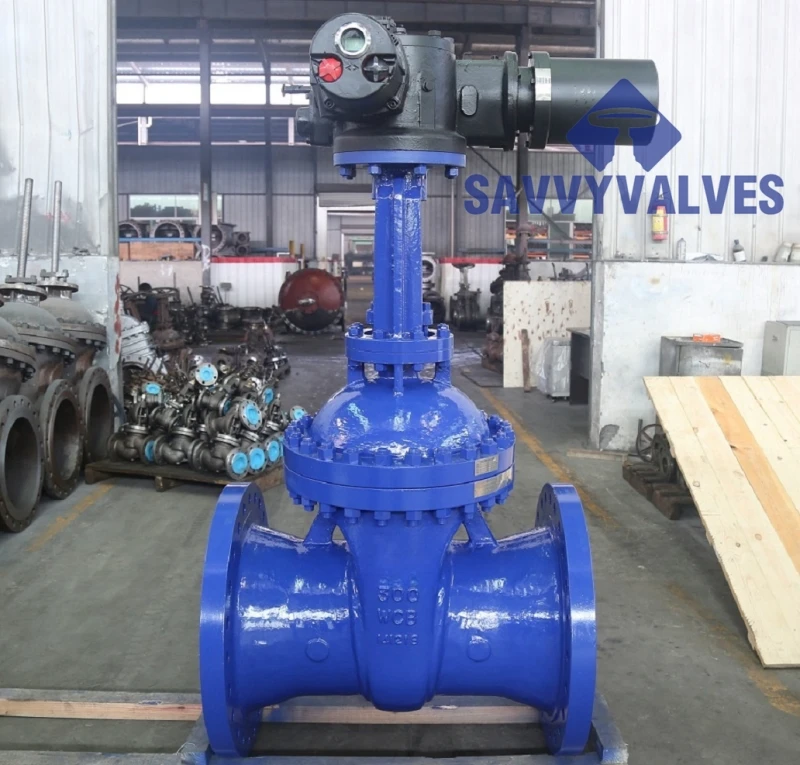 A FOTO MOSTRA AS ESPECIFICAÇÕES ABAIXO
TAMANHO: 20″*16″
CLASSIFICAÇÃO: 300LB 600LB
CORPO E CAPÔ: ASTM A216 WCB
DISCO: ASTM A216 WCB+STELLITE 6, CUNHA FLEXÍVEL
HASTE: ASTM A182 F6A
ASSENTO: ASTM A105+STELLITE 6
ACIONAMENTO: TIPO DE MODULAÇÃO INTELIGENTE LIMITORQUE, sinal 4-20 mA, 480 V CA, 3 fases, 60 Hz, COM ACIONAMENTO MANUAL.
-
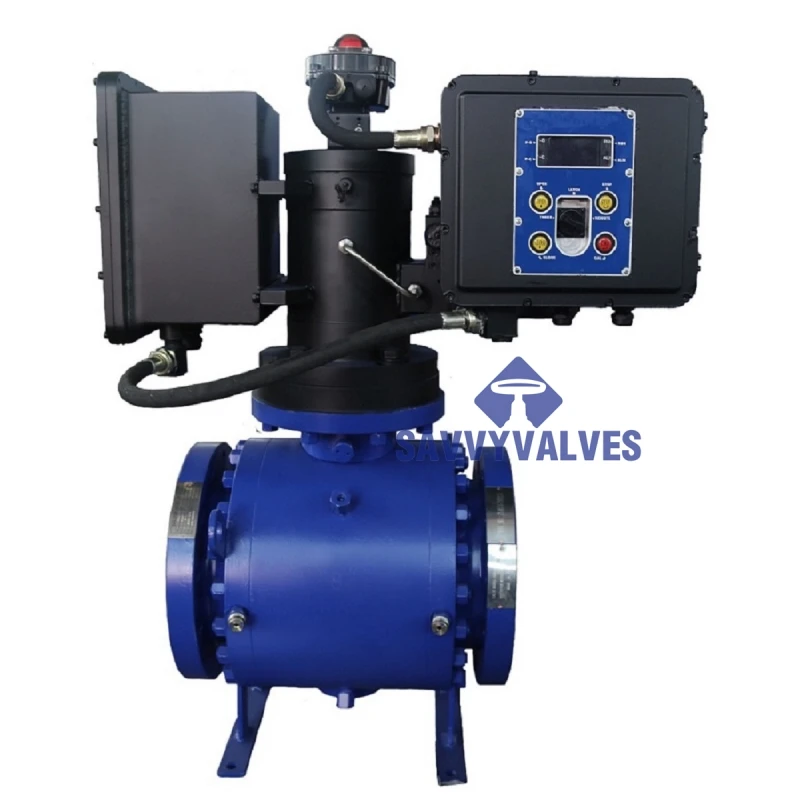 ESPECIFICAÇÕES DE AMOSTRA
TAMANHO: 8″
Classificação: 300LB
CARROCERIA E CAPÔ: ASTM A350 LF2
ESFERA COM ENTALHE EM V: ENTALHE ASTM A182 F316+TCC 90℃.
HASTE: ASTM A564 17-4PH
ASSENTO: ASTM A182 F316+TCC
MOLA: INCONEL X-750
ACIONAMENTO: ATUADOR ELÉTRICO-HIDRÁULICO
-
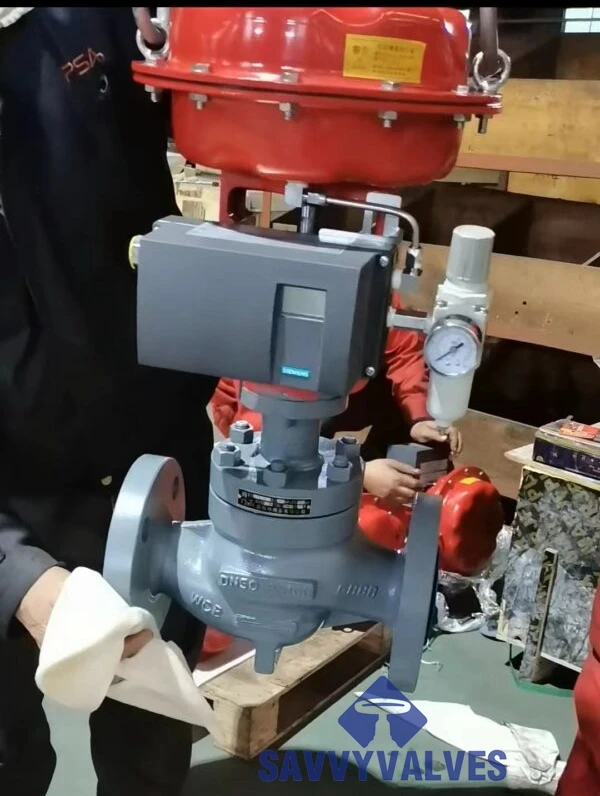 ESPECIFICAÇÕES DE AMOSTRA
TAMANHO: 2″
CLASSIFICAÇÃO: 600LB
CORPO E CAPÔ: ASTM A216 WCC
PLUGUE: ASTM A182 F316 + STELLITE 6
HASTE: ASTM A182 F6A
GAIOLA: ASTM A276 416
ASSENTO: ASTM A105+STELLITE 6
ACIONAMENTO: DIAFRAGMA PNEUMÁTICO ACIONADO
-
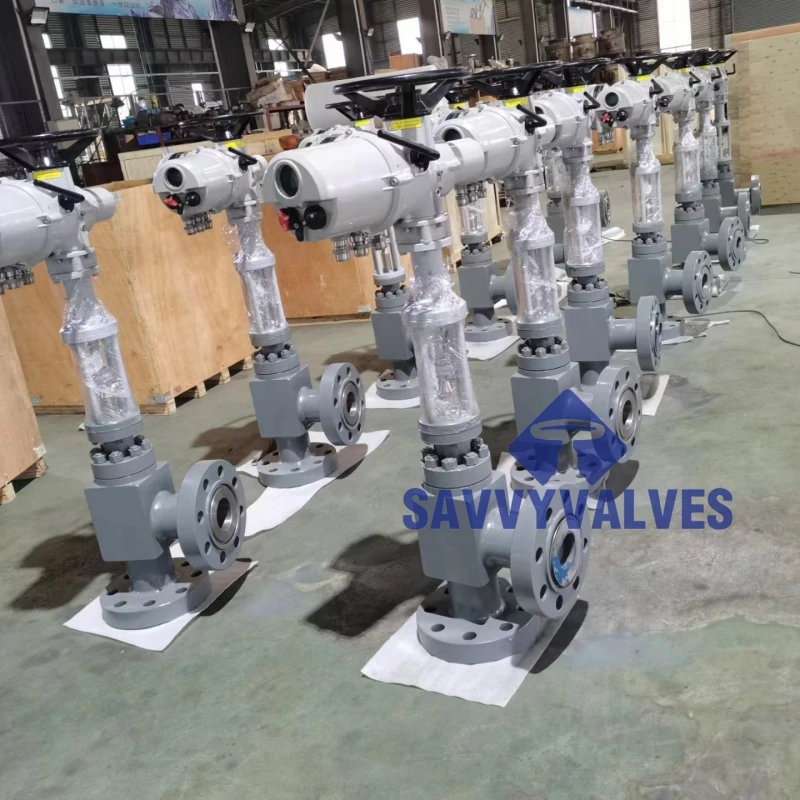 AS FOTOS MOSTRAM AS ESPECIFICAÇÕES ABAIXO
TAMANHO: 3″
CLASSIFICAÇÃO: 10000PSIG
CARROCERIA E CAPÔ: TC YG6
PLUGUE: TC YG20
HASTE: INCONEL 625
GAIOLA: INCONEL 625
ASSENTO: YG 6
ACIONAMENTO: ATUADOR ELÉTRICO
-
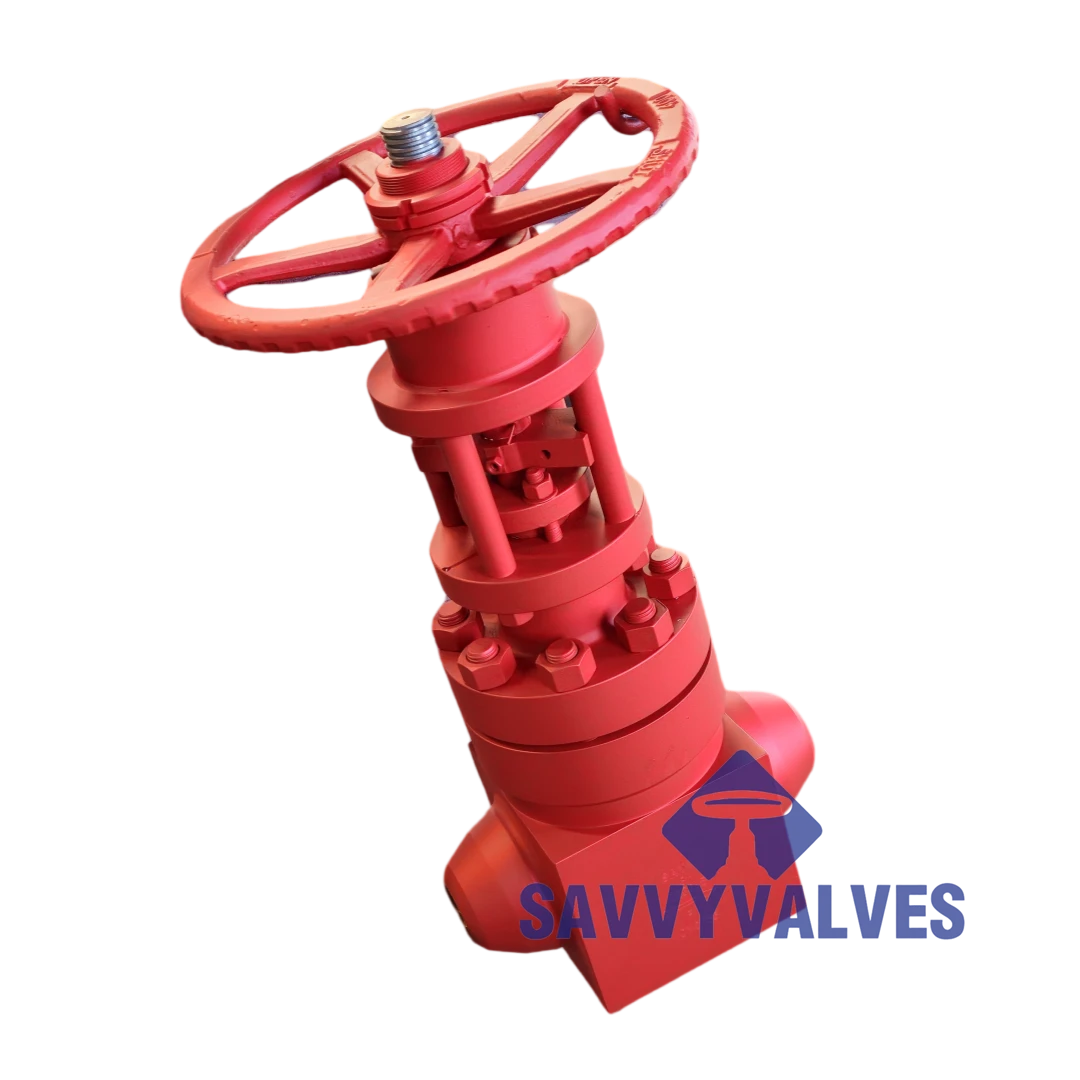 Apresentação:
Tamanho: 3″
Classificação: 2500LB
Materiais:
Corpo e capô ASTM A182 F11
ASTM A182 F11+stellite 6 Discos
Haste ASTM A182 F6A
Assento de carroceria com revestimento Stellite 6
Operador: volante
Extremidades: BW conforme ANSI B16.25
-
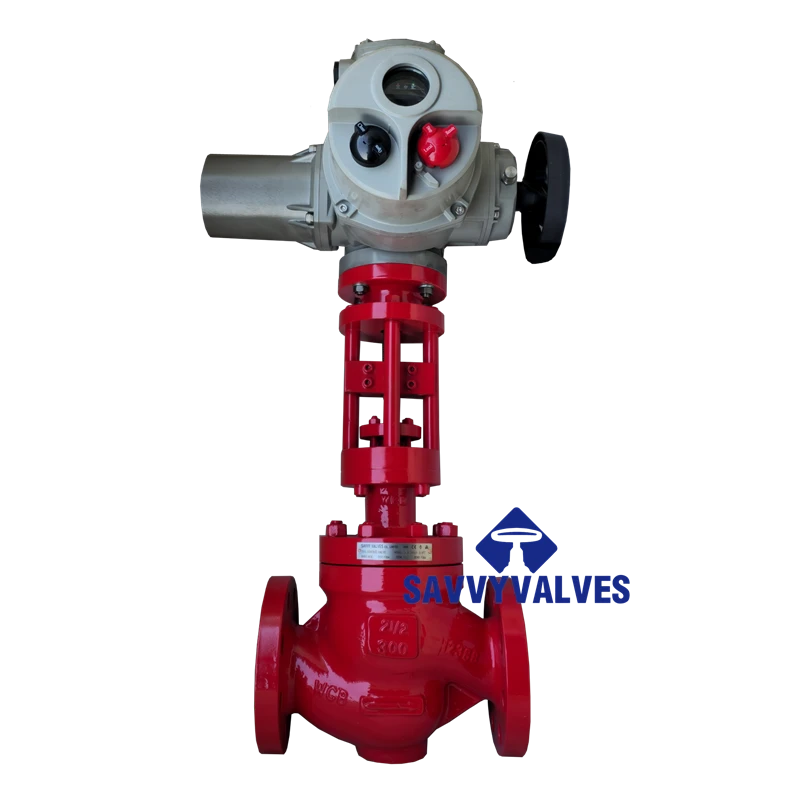 Valve Type Electric Modulating Control Valve, Balanced Cage-Guided, Globe Pattern
Size Range DN25 – DN300 (1″ to 12″)
Pressure Rating PN16 / PN25 / PN40 / PN64 / PN100 / Class 150 / 300 / 600
End Connection Flanged (RF / RTJ) per ASME B16.5 or EN 1092-1
Design Standard IEC 60534-2-1 / ASME B16.34 / DIN EN 1349
Face to Face Standard IEC 60534-3-1 / ASME B16.10
Test Standard IEC 60534-4 / ANSI/FCI 70-2
Service Steam, Water, Oil, Gas, Chemical Fluids
Temperature Range -196°C to +450°C (Depending on trim and gasket selection)
Flow Characteristic Equal Percentage (EQ%)
Action Type Air-to-Close / Air-to-Open (Fail-Safe Position: Specify)
-
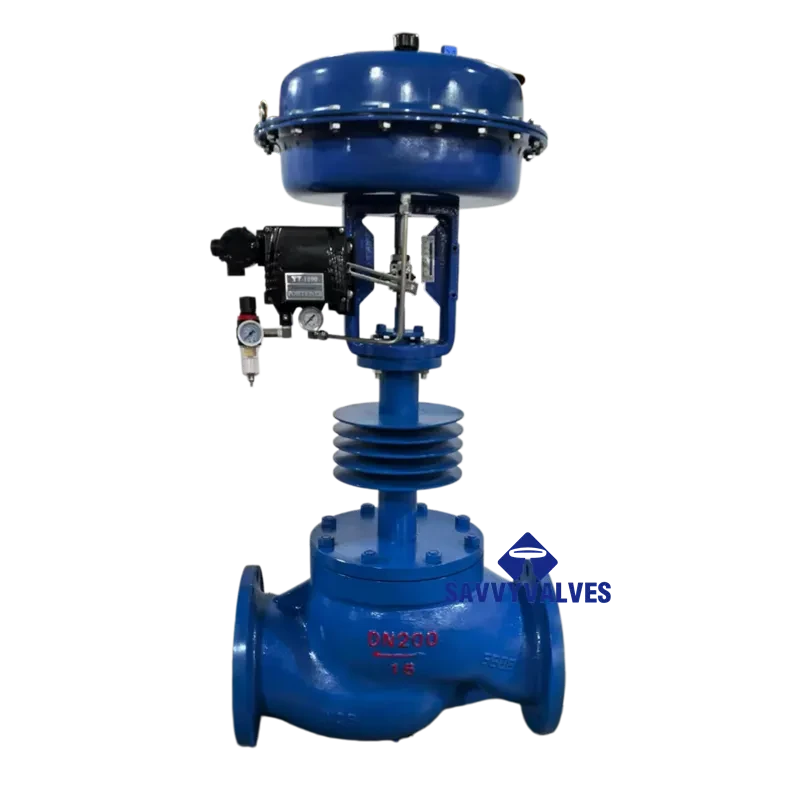 Product Name Diaphragm Pneumatic Actuated Control Valve
Valve Type / Model DN200-PN16-RF (Diaphragm type)
Nominal Diameter (DN) 200 mm
Nominal Pressure (PN) PN16 (1.6 MPa / 232 psi)
Connection Type Flanged
Flange Face Type RF (Raised Face)
Applicable Flange Standard GB/T 9119 / HG/T 20592 / ASME B16.5 (or as specified)
-
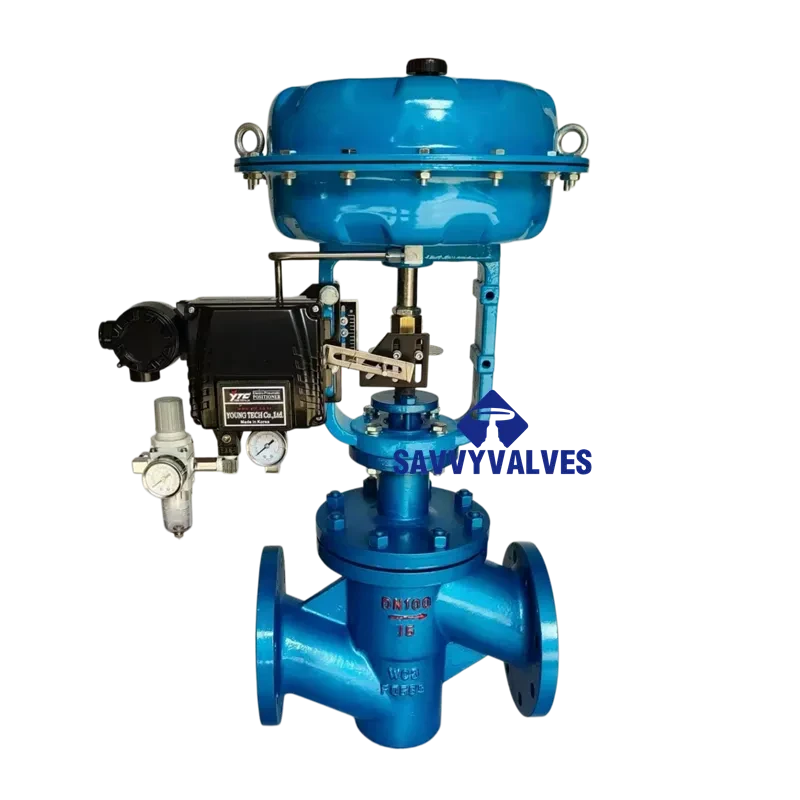 Product Name Diaphragm Pneumatic Actuated Control Valve
Valve Type / Model DN100-PN16-RF (Diaphragm type, lined)
Nominal Diameter (DN) 100 mm
Nominal Pressure (PN) PN16 (1.6 MPa / 232 psi)
Connection Type Flanged
Flange Face Type RF (Raised Face)
Applicable Flange Standard GB/T 9119 / HG/T 20592 / ASME B16.5 (or as specified)
Lining Material FEP / PFA / PTFE (fluoroplastic lining) – selected based on media & temperature
A control valve is a critical component in fluid handling systems, used to regulate the flow rate, pressure, temperature, or level of a fluid by varying the size of the flow passage. It operates by receiving signals from a controller, which determines how much the valve should open or close based on input from process sensors. The valve includes an actuator (pneumatic, electric, or hydraulic) that moves the valve stem or plug in response to control signals. This modulation of valve position allows for precise adjustments of fluid parameters within a system. Control valves are essential in automated process control, helping maintain desired operating conditions in industries such as oil and gas, power generation, water treatment, and chemical manufacturing. Depending on the design, they may operate linearly or rotationally and can be equipped with positioners to ensure accurate alignment with control signals. Their flexibility and precision make them indispensable for safe, efficient, and responsive control of complex processes.


 Portuguese
  English
  Arabic
  Azerbaijani
  Czech
Czech  Dutch
Dutch  French
  German
  Indonesian
  Italian
  Japanese
  Korean
  Malay
Malay  Persian
  Polish
  Russian
  Spanish
  Thai
Thai  Vietnamese