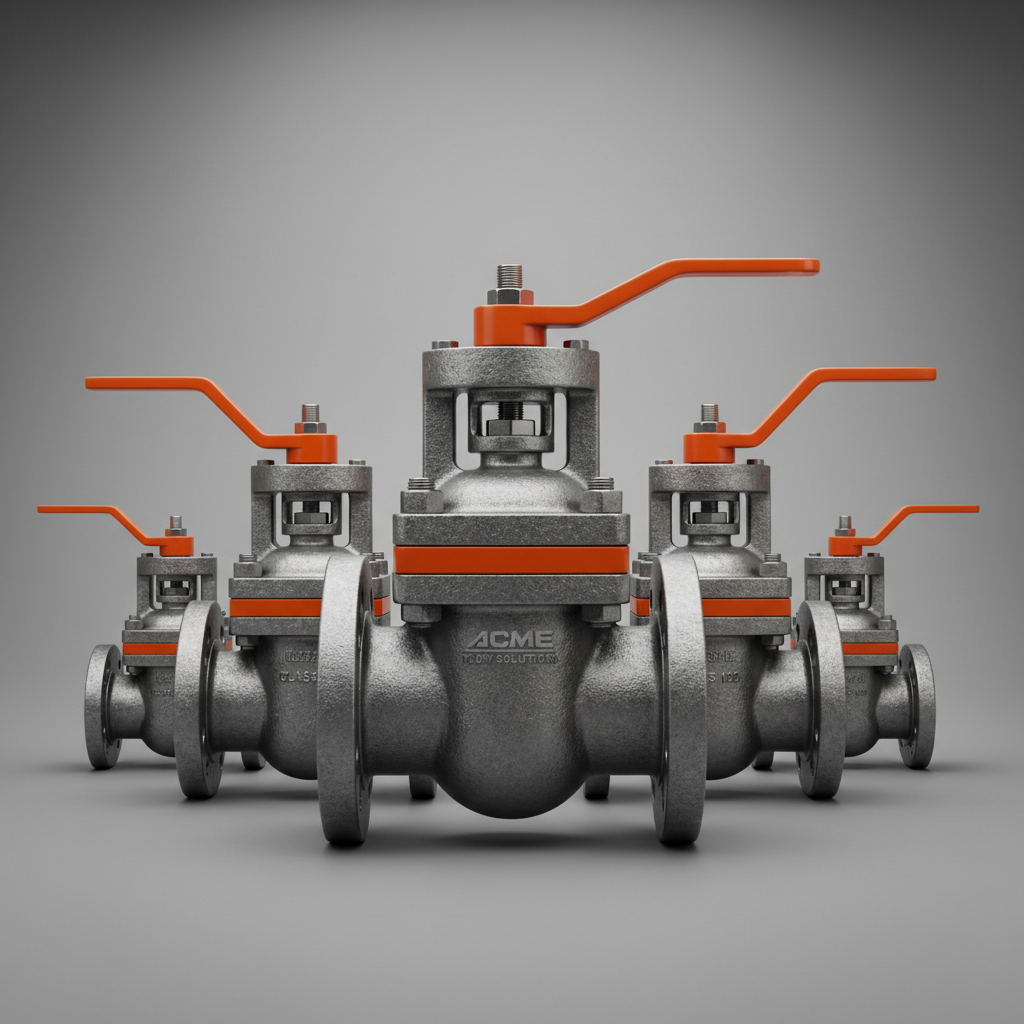
Look, I’ve been running around construction sites for fifteen years now. Fifteen years! You see a lot of things, you know? Right now, everyone's obsessed with “smart” everything. Smart valves, smart sensors, smart dust… honestly, it’s a bit much. But, yeah, the demand for high-precision globe control valve manufacturer is definitely up. It’s not just about automation, it’s about squeezing every last drop of efficiency out of everything. To be honest, though, a lot of these “smart” solutions… they’re over-engineered.
Have you noticed how everyone wants everything smaller? Miniaturization, they call it. Which sounds great, right? Less material, lower cost. But then you end up with valves that are fiddly to work with, prone to clogging, and require specialized tools for maintenance. I encountered this at a petrochemical plant in Tianjin last time – they’d gone with these tiny, complex globe control valves, and the maintenance guys were pulling their hair out. They just couldn’t get a proper seal, and the downtime was killing them. It's a classic case of overthinking things.
And don't even get me started on materials. Everyone's chasing exotic alloys promising corrosion resistance and high temperature performance. Which, okay, is good. But sometimes, a good old-fashioned 316 stainless steel does the job just fine, and it doesn't cost a fortune. I prefer 316, honestly. It smells…safe. You know? It's got a solid feel in your hands. Some of these new materials feel almost…plastic-y. It just doesn’t inspire confidence.


Strangely, everyone's focusing on remote monitoring and diagnostics, which is fine, but they forget about the basics. A valve is a mechanical device. It needs to work reliably, even when the network is down. We had a site engineer who kept bragging about the predictive maintenance algorithms on his new valves. Then a power surge fried the control panel, and suddenly his "smart" valves were just expensive paperweights. Anyway, I think simple, robust design will always trump complexity.
One design trap I see a lot is trying to do too much with a single valve. You get these multi-port valves with all sorts of intricate internal mechanisms, and they're a nightmare to service. Keep it simple, stupid, right? That's what my old foreman used to say.
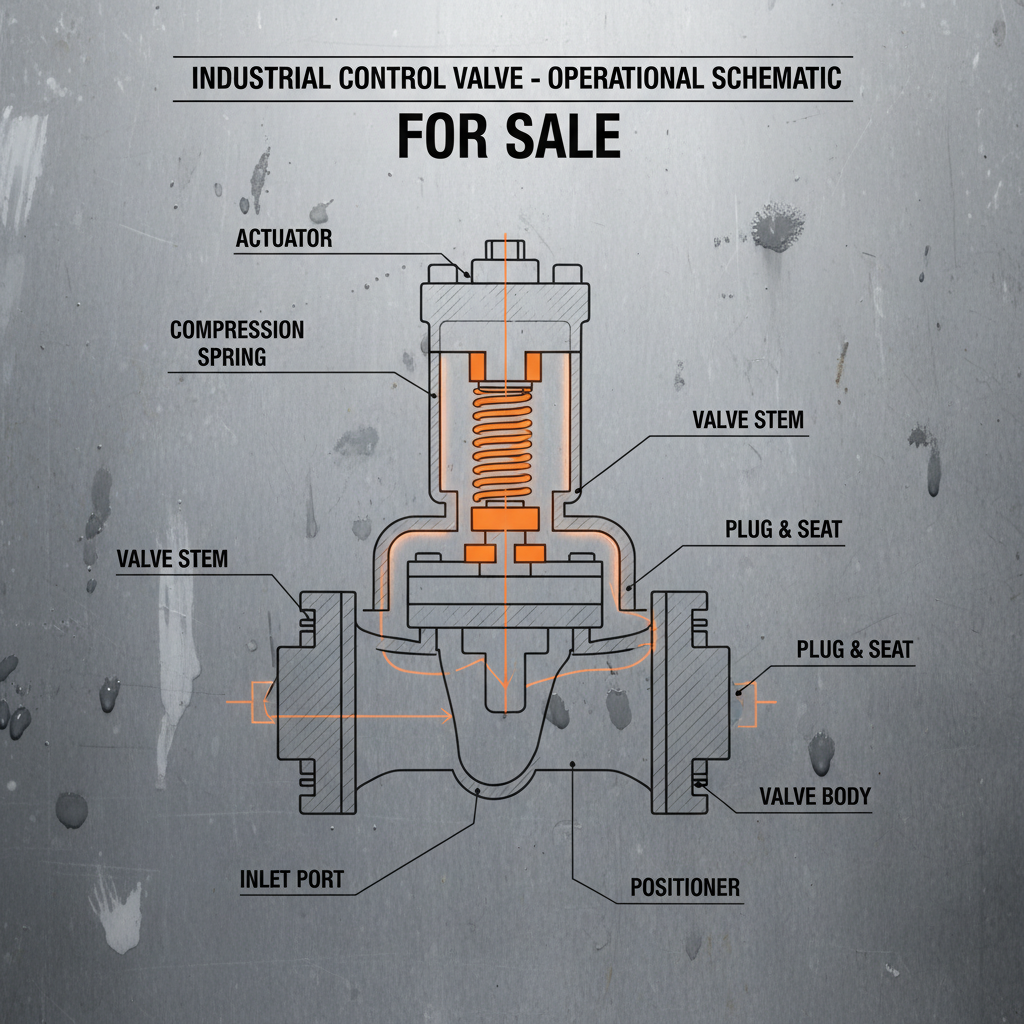
Globe control valves are typically constructed from materials like stainless steel (304, 316), carbon steel, alloy steel, and sometimes specialized alloys like Hastelloy or Inconel depending on the fluid and operating conditions. The choice depends heavily on corrosion resistance, temperature requirements, and pressure ratings. We’ve seen a lot of issues with improper material selection leading to premature failure in harsh environments.
Sizing a globe control valve requires careful consideration of flow rate, pressure drop, and fluid properties. It’s not just about the pipe diameter; you need to calculate the Cv (flow coefficient) and ensure the valve can handle the required flow without excessive pressure loss. Undersizing leads to throttling and cavitation, while oversizing can cause instability. Get a good engineer involved!
Globe valves excel at precise flow control and tight shutoff, whereas ball valves are better for on/off applications requiring minimal pressure drop. Globe valves offer more granular control but generate higher pressure losses. Ball valves are faster to operate but don't provide the same level of modulation. The choice really depends on your specific process requirements.
Cavitation occurs when pressure drops too low, forming vapor bubbles that collapse and damage the valve trim. To prevent it, ensure proper valve sizing, avoid excessive throttling, and consider using a trim design specifically engineered to minimize cavitation. Regular inspection and maintenance are also crucial.
Regular maintenance includes inspecting and replacing seals, lubricating moving parts, checking for corrosion or erosion, and calibrating the actuator. Preventative maintenance, like periodic flushing and cleaning, can significantly extend the valve’s lifespan. Don't wait for it to fail – schedule routine checks!
Absolutely. Globe control valves can be customized with different trim materials, seat designs, actuators, and connection types to meet specific process requirements. We often modify valves for high-temperature applications, corrosive fluids, or precise flow control needs. It adds cost and lead time, but it can be essential for optimal performance.
So, to wrap things up, we’ve talked about the industry trends—the push for automation, miniaturization, and exotic materials—along with the pitfalls to avoid. We’ve covered material selection, testing, real-world usage, and the importance of keeping things simple and robust. Ultimately, a globe control valve isn’t about fancy features or cutting-edge technology; it’s about reliability and performance in the field.
I think the future will see a return to more practical designs. Less emphasis on “smart” and more on “durable.” And remember, a well-designed, well-maintained globe control valve isn't just a component; it’s a critical part of a process that keeps things running. And ultimately, whether this thing works or not, the worker will know the moment he tightens the screw.





 English
  Arabic
  Azerbaijani
  Czech
Czech  Dutch
Dutch  French
  German
  Indonesian
  Italian
  Japanese
  Korean
  Malay
Malay  Persian
  Polish
  Portuguese
  Russian
  Spanish
  Thai
Thai  Vietnamese