To be honest, the valve world's been buzzing about automation. Everyone's chasing 'smart' valves now, putting sensors and actuators on everything. It’s…a lot. You spend a year on sites, like I do, and you realize most guys just want something that works and doesn’t leak. But the big companies, they gotta innovate, right? The problem is, a lot of this “innovation” just adds points of failure. Have you noticed? More parts, more things to go wrong. It’s like they forget these things are getting beat up in the real world, not sitting in a lab.
I encountered something interesting at a petrochemical plant in Houston last time. They were trying to retrofit some old valves with digital positioners. The engineer was so proud of the efficiency gains he’d calculated. But the field techs were pulling their hair out trying to calibrate them. The vibration from the plant kept knocking the sensors out of whack. Turns out, a simple, robust pneumatic valve would have been far more reliable. Anyway, I think people get too caught up in the specs and forget about the fundamentals.
And the materials…that's a whole other story. Right now, everyone’s fixated on high alloys – Hastelloy, Inconel, that kind of stuff. Expensive. Beautifully machined, smooth to the touch…but you really need that stuff? Depends. Most of the time, a good 316 stainless steel will do the job, especially if you’re handling less corrosive fluids. But for high temperature steam, yeah, you’re looking at those exotics. You can smell the difference, honestly. That Inconel has a… metallic, almost sterile odor. Feels heavier too, when you’re lugging it around. We’ve started using a new coating on some of our carbon steel valves - a ceramic-based stuff. Strangel,y it adds a surprising amount of wear resistance.
Global Relevance of high temperature valves suppliers
The demand for robust high temperature valves suppliers is directly tied to the health of industries like oil and gas, power generation, and chemical processing. Globally, these sectors are expanding, particularly in emerging economies. According to a recent UN report, energy demand is projected to increase by 50% by 2050, meaning more power plants, more refining, and thus, more demand for valves that can handle extreme conditions. But it's not just about expansion. Aging infrastructure in developed nations requires constant upgrades, and these upgrades often necessitate high temperature valves suppliers to ensure safety and efficiency.
I remember talking to a plant manager in Japan a few years back. He was completely focused on reliability. "We can't afford downtime," he told me, "not for a single minute." That’s the pressure these guys are under. Their entire operation hinges on components functioning flawlessly. And frankly, cheap valves just aren't going to cut it in those environments. It's a serious issue, because the cost of failure isn’t just financial, it can be… well, you don't want to think about the consequences.
Defining high temperature valves suppliers
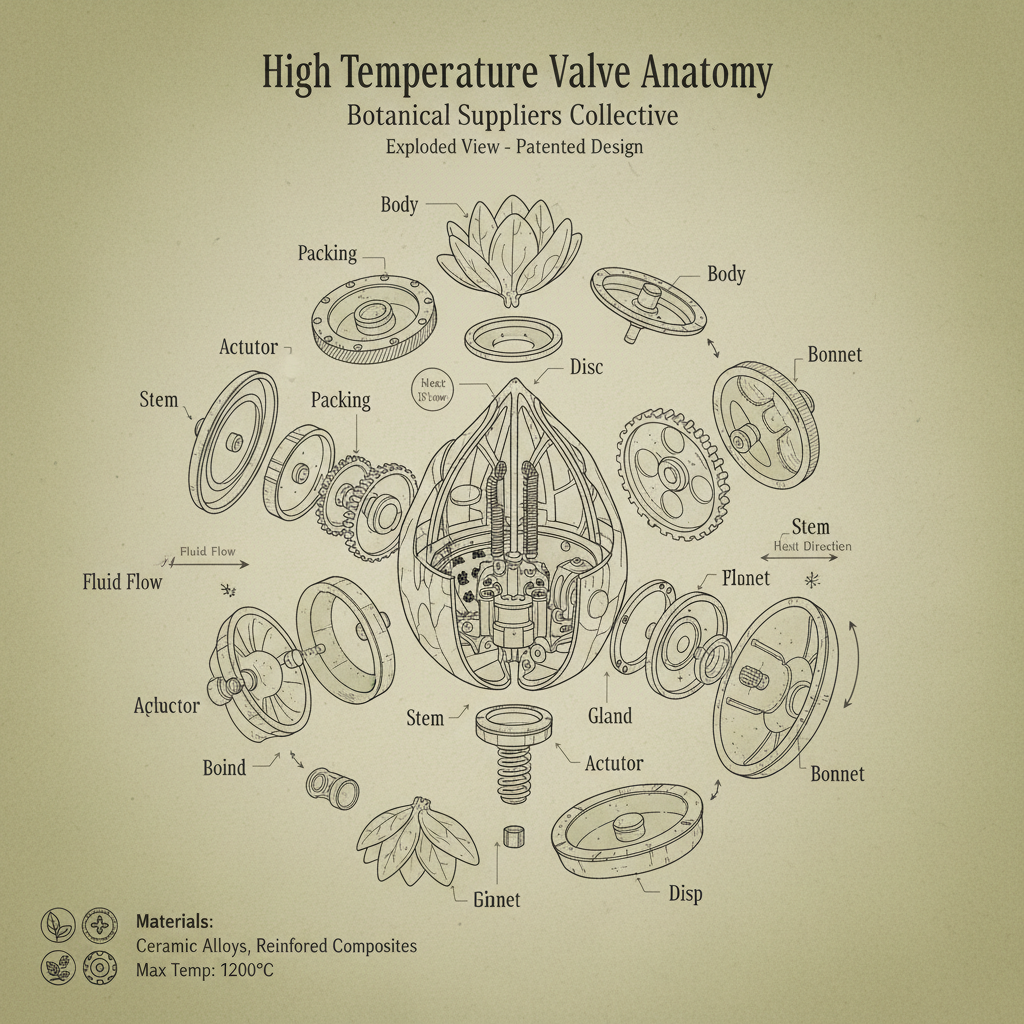
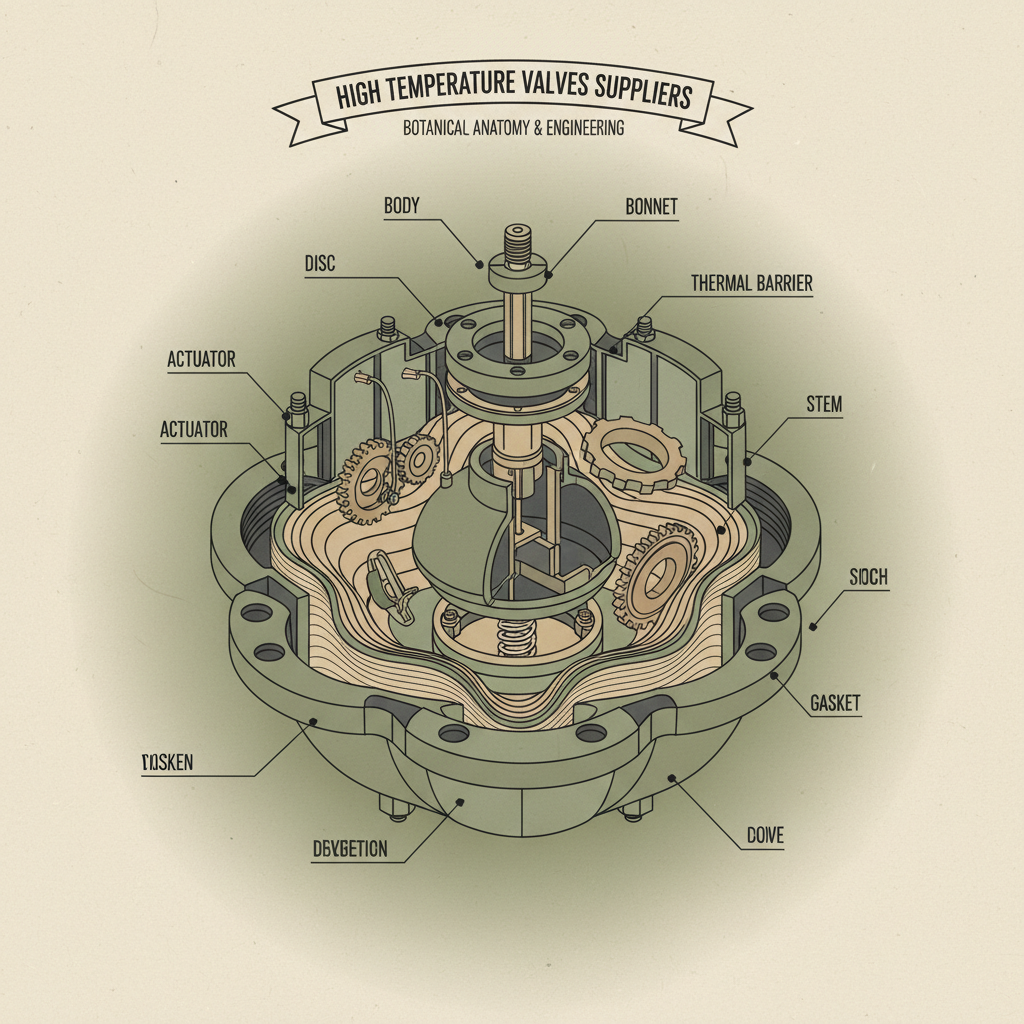
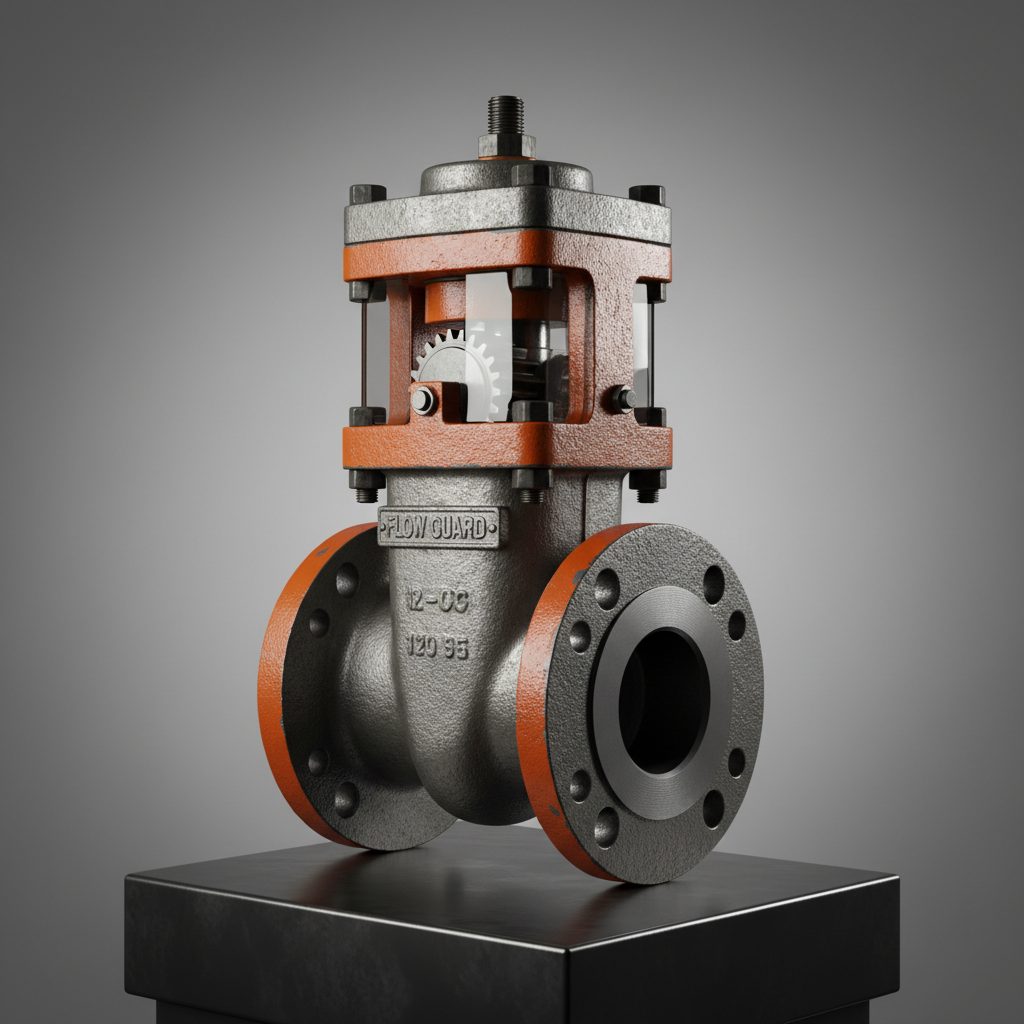
Okay, so what are we talking about when we say "high temperature valves suppliers?" Simply put, it’s about valves designed to operate reliably at elevated temperatures. But it’s more than just slapping a heat-resistant coating on a standard valve. It’s about material selection, the precision of the machining, the design of the seals...everything has to be considered. We're talking valves that can handle temperatures well above 200°C, and in some cases, pushing past 500°C or even higher.
This isn’t some niche market, either. It’s fundamental to modern industry and even humanitarian efforts. Think about geothermal power plants – they rely on high temperature valves suppliers to harness energy from the earth. Or consider pharmaceutical manufacturing – precise temperature control is critical for drug production, and that requires reliable valves. And yes, even disaster relief – providing clean water often involves steam sterilization, which demands valves capable of withstanding high temperatures.
A lot of people think about the temperature rating itself, but pressure is just as important, and often works with the temperature to create truly demanding conditions. You get those two things combined, and you’re looking at a serious engineering challenge.
Key Factors in high temperature valves suppliers
Durability is the big one, obviously. These valves aren’t going to be babied. They’ll be subjected to thermal cycling, corrosion, and potentially mechanical shock. The materials need to be able to withstand all of that without failing. That’s why you see so much emphasis on alloys like Inconel and Hastelloy. But durability isn't just about the material; it's about the design too. A poorly designed valve, even made from the best materials, will fail prematurely.
Then there’s scalability. A plant might need a tiny valve for a sample line and a massive valve for the main process line. Suppliers need to be able to provide both, and everything in between, while maintaining consistent quality and performance. This is where a lot of the smaller shops struggle. They can build a great valve, but they can't handle large-scale orders or custom modifications.
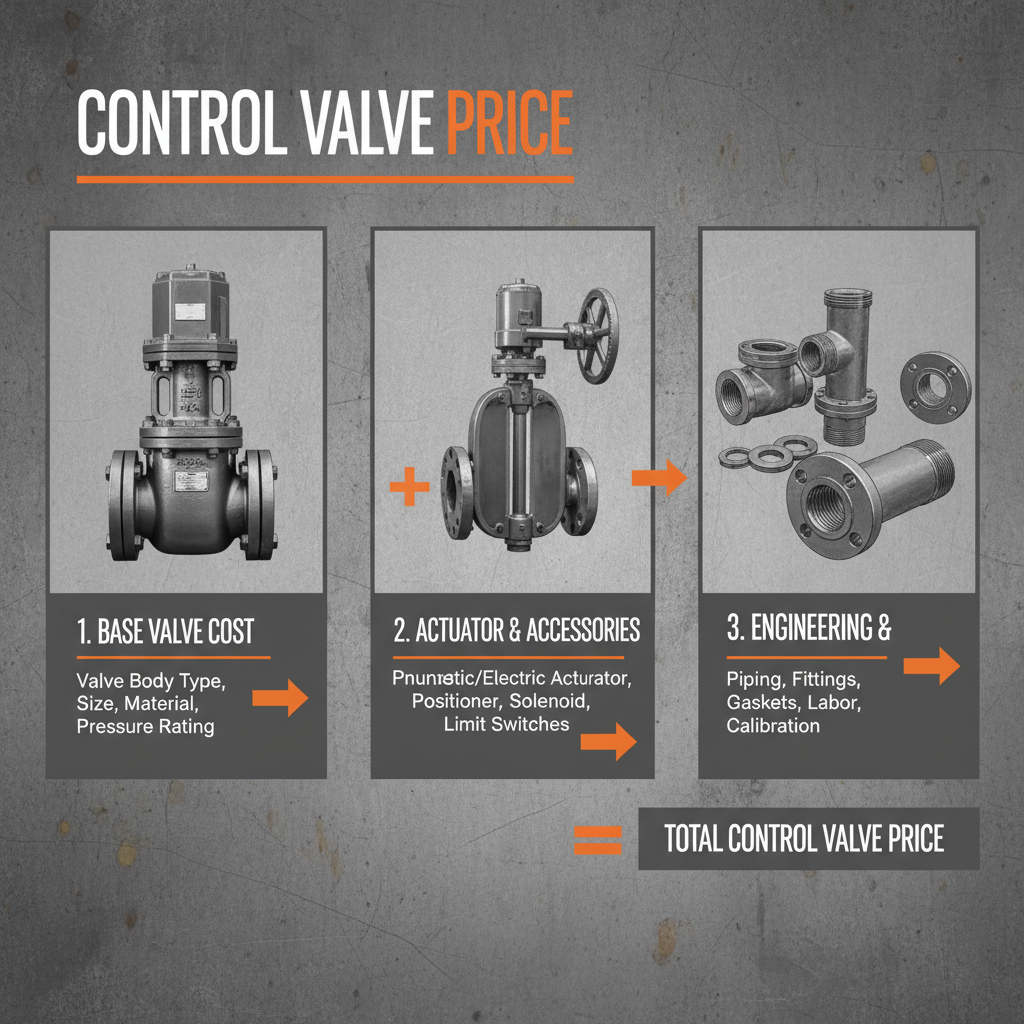
Cost-efficiency is always a factor, even if no one likes to talk about it. High-performance materials are expensive, and precision machining adds to the cost. You need to find the sweet spot between performance and price. And frankly, a lot of times, you can get away with a less expensive solution if you understand the application thoroughly. Don't over-engineer things. It just adds unnecessary cost.
Applications of high temperature valves suppliers
You find these valves everywhere – power plants, chemical refineries, steam generation, oil and gas extraction, geothermal energy, and even in some food processing plants where steam sterilization is used. They're critical for controlling the flow of steam, hot water, and other high-temperature fluids. The Middle East, with its massive oil and gas infrastructure, is a huge market. Similarly, China and India, with their rapidly expanding industrial sectors, are seeing a surge in demand.
I was at a desalination plant in Saudi Arabia last year. They were using a lot of high temperature valves suppliers to manage the steam used in the desalination process. The plant was located right on the coast, so corrosion was a major concern. They were using special coatings on the valves to protect them from the salt air.
Even in remote industrial zones, like in the Canadian oil sands, reliable high temperature valves suppliers are essential. You can’t afford to have a valve fail when you’re miles from the nearest repair facility. The cost of downtime is astronomical.
Different Methods of Testing high temperature valves suppliers
Advantages and Long-Term Value
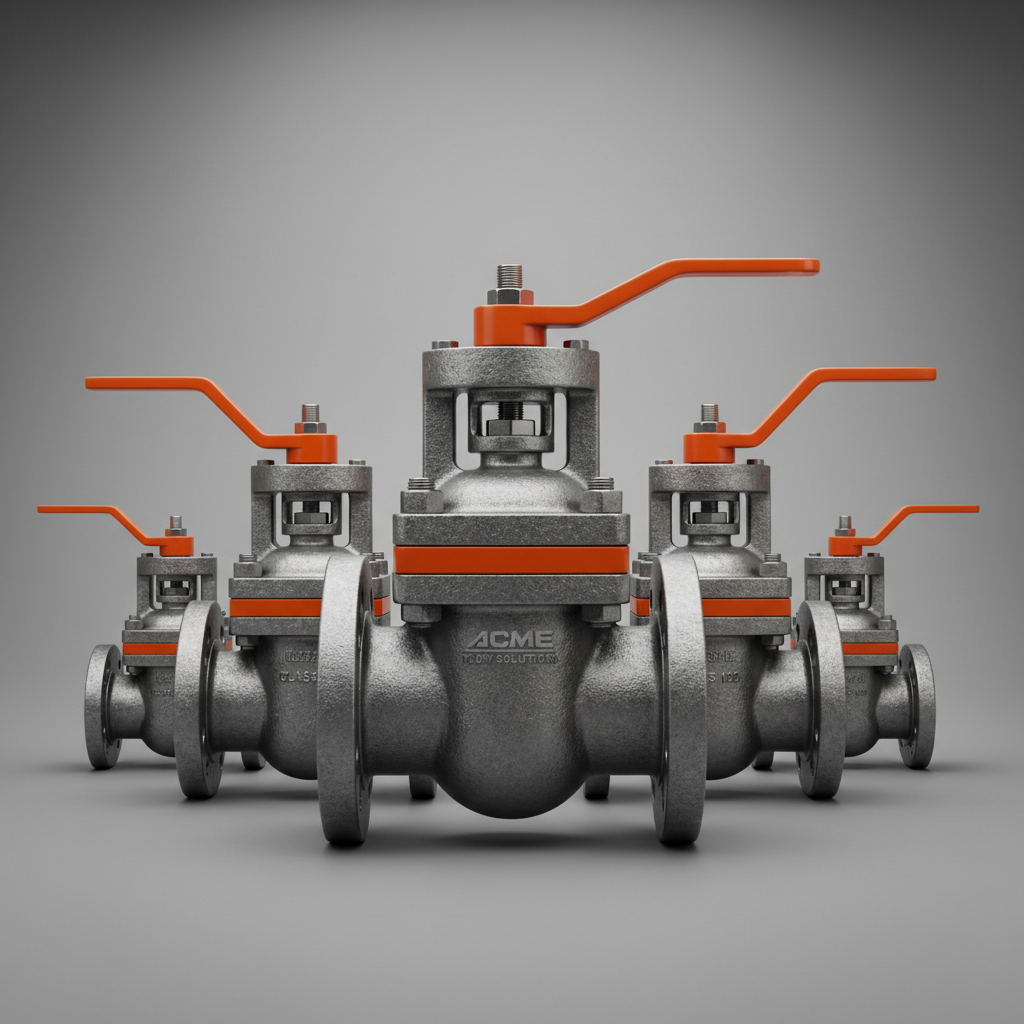
The biggest advantage is reliability, plain and simple. A well-made high temperature valves suppliers will last for years, even decades, with minimal maintenance. That translates to significant cost savings over the long run. Think about the cost of downtime, the cost of repairs, the cost of replacing a failed valve. It all adds up. And frankly, it's not just about the money. It’s about safety. A valve failure can have catastrophic consequences.
From a sustainability standpoint, durable valves reduce waste. You're not constantly replacing them, so you're reducing the demand for new materials and the energy required to manufacture them. Plus, reliable valves help optimize processes, which can lead to reduced energy consumption. That’s a win-win.
Future Trends and Innovations
We’re seeing a lot of interest in digital twins – virtual replicas of physical valves. This allows engineers to monitor performance in real-time, predict potential failures, and optimize maintenance schedules. It's still early days, but the potential is huge. The other big thing is additive manufacturing – 3D printing. It allows for the creation of complex valve designs that were previously impossible to manufacture.
There’s also a push towards using more sustainable materials, like recycled alloys and bio-based polymers. But those materials need to meet the same performance standards as traditional materials, which is a challenge. Green energy initiatives are fueling innovation too. Geothermal and concentrated solar power both rely heavily on high temperature valves suppliers, and the demand for these valves is only going to increase as we transition to a cleaner energy future.
Challenges and Solutions
One of the biggest challenges is finding skilled technicians who can properly install and maintain these valves. It's not just about tightening a few bolts. It requires a deep understanding of the materials, the design, and the application. Training is key, but it’s expensive and time-consuming. Another challenge is dealing with supply chain disruptions. Getting the right materials at the right time can be a nightmare.
I think the solution lies in closer collaboration between valve manufacturers, end-users, and training institutions. We need to develop standardized training programs and create a more resilient supply chain. And we need to embrace new technologies, like remote monitoring and predictive maintenance, to help us optimize performance and reduce downtime.
Last month, that small boss in Shenzhen who makes smart home devices insisted on changing the interface to , and the result was a three-week delay because none of the local plumbers knew how to connect it! It's a small example, but it illustrates the point: sometimes, simplicity is better.
Summary of Key Challenges and Potential Solutions for high temperature valves suppliers
| Challenge |
Impact Level (1-10) |
Potential Solution |
Implementation Cost (1-10) |
| Skilled Labor Shortage |
9 |
Standardized Training Programs |
7 |
| Supply Chain Vulnerabilities |
8 |
Diversified Sourcing & Local Stockpiles |
6 |
| Complexity of Digital Integration |
6 |
User-Friendly Interface Development |
5 |
| High Material Costs |
7 |
Exploration of Alternative Materials |
8 |
| Corrosion in Harsh Environments |
9 |
Advanced Coating Technologies |
7 |
| Maintaining Seal Integrity at High Temperatures |
8 |
Innovative Seal Designs and Materials |
6 |
FAQS
The lifespan really depends on the specific application, fluid type, and operating conditions. However, with proper maintenance, a well-built high temperature valve in a power plant can easily last 10-20 years, and sometimes even longer. The key is regular inspection and replacement of seals and packing. We often recommend a preventative maintenance schedule based on operating hours.
Material selection is absolutely crucial. Different alloys offer varying levels of resistance to corrosion, oxidation, and creep at high temperatures. Choosing the wrong material can lead to premature failure and costly downtime. For example, Inconel is often used for highly corrosive environments, while Hastelloy offers excellent resistance to oxidation. It’s a balancing act between performance and cost.
Common failure modes include seat erosion due to high-velocity flow, seal failure due to thermal cycling, and corrosion of valve body materials. Creep, which is the gradual deformation of a material under sustained stress at high temperatures, can also be a problem. Regular inspection can help identify these issues before they lead to catastrophic failure.
Absolutely. We offer a wide range of customization options, including different materials, trims, connections, and actuation methods. For example, a customer recently needed a valve with a special coating to withstand extremely corrosive chemicals. We worked with their engineers to develop a custom solution that met their exact specifications.
Regular inspection of seals, packing, and valve body for signs of wear or corrosion is vital. Lubrication of moving parts is also important. Following a preventative maintenance schedule, including periodic testing and calibration, can help identify and address potential problems before they escalate. Keep a detailed maintenance log for each valve.
We perform a series of rigorous tests, including hydrostatic testing, pneumatic testing, and fire safety testing. We also conduct thermal cycle testing to simulate the effects of repeated heating and cooling. Beyond the lab, we try to get valves tested in real-world conditions, often partnering with our customers to gather feedback on performance.
Conclusion
So, what have we learned? High temperature valves suppliers are a critical component of many essential industries, and their reliability is paramount. Material selection, design, and proper maintenance are all key factors in ensuring long-term performance. While innovation is important, it shouldn’t come at the expense of simplicity and robustness.
Ultimately, whether this thing works or not, the worker will know the moment he tightens the screw. It's about building confidence in the field, and that comes from delivering a product that performs, day in and day out. If you're looking for a reliable partner for your high temperature valve needs, visit our website: www.savvyvalvetech.com.




 English
  Arabic
  Azerbaijani
  Czech
Czech  Dutch
Dutch  French
  German
  Indonesian
  Italian
  Japanese
  Korean
  Malay
Malay  Persian
  Polish
  Portuguese
  Russian
  Spanish
  Thai
Thai  Vietnamese