
Šoupátkové ventily
-
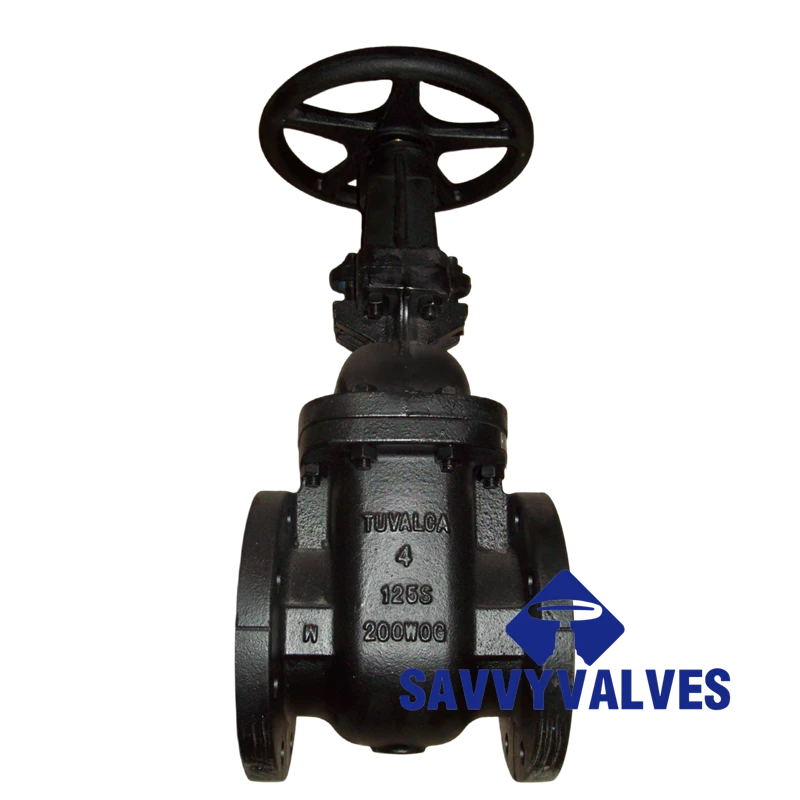 Valve Type Rising Stem Gate Valve (OS&Y – Outside Screw & Yoke)
Body Material Cast Iron (ASTM A126 Class B / EN-GJL-250)
Seat Material Bronze (Integral or renewable)
Stem Material Brass (C36000 / C37700)
End Connection Flanged (ASME B16.1 Class 125 / EN 1092-2)
Operation Handwheel
Design Standard MSS SP-70 / ASME B16.34 (mod)
Face-to-Face ASME B16.10 / MSS SP-70 (Flanged ends)
Flange Dimension ASME B16.1 Class 125 / EN 1092-2 PN10/PN16
Inspection & Test API 598 / MSS SP-70
Pressure Rating Class 125 / PN10 / PN16
Size Range 2″ – 12″ (DN50 – DN300)
-
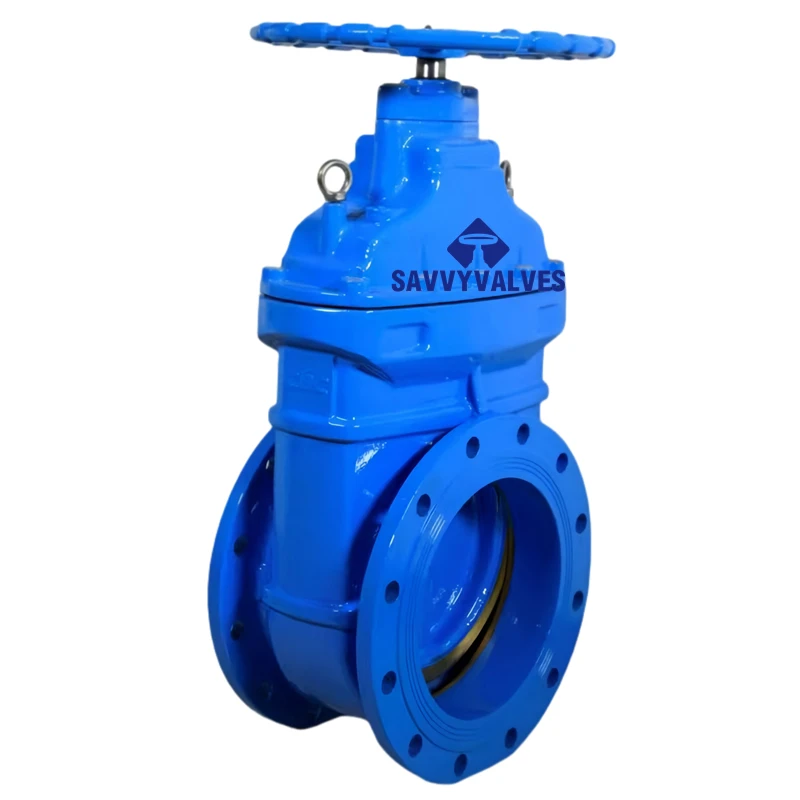 1. Valve Type Non-Rising Stem (NRS) Resilient Wedge Gate Valve
2. Design Standard AWWA C509, ISO 5208, BS EN 1074-1
3. Size Range DN50 to DN600 (2″ to 24″)
4. Pressure Rating PN10/PN16 (150 psi / 230 psi)
• Test Pressure: 1.5×PN (Shell), 1.1×PN (Seat)
5. Temperature Range -10°C to +80°C (Standard EPDM)
-30°C to +130°C (Optional FKM)
-
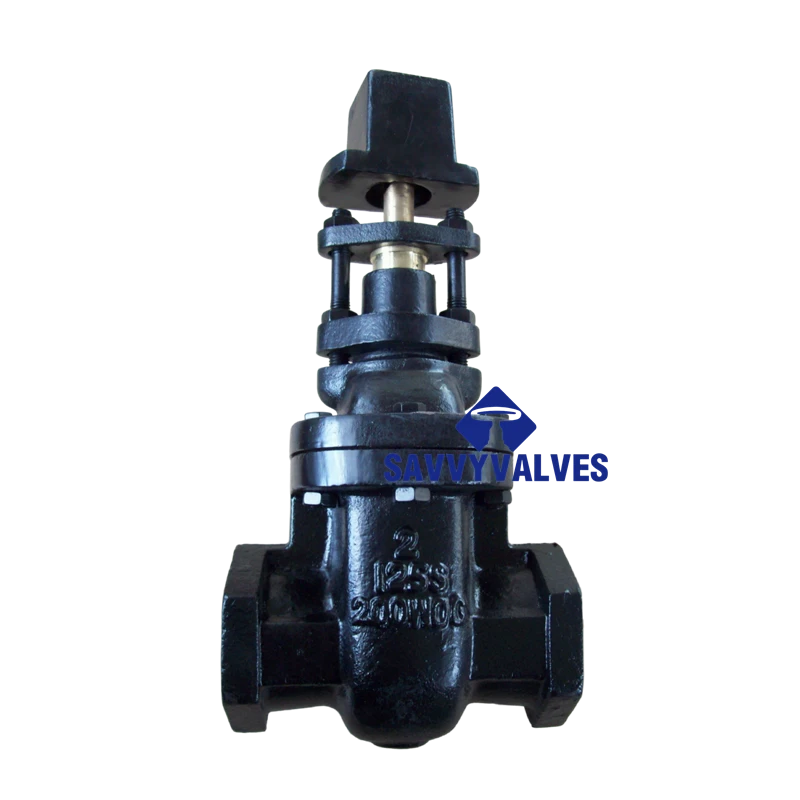 Valve Type Non-Rising Stem Gate Valve (Inside Screw)
Body Material Cast Iron (ASTM A126 Class B / EN-GJL-250)
Seat Material Bronze (Integral or renewable)
Stem Material Brass (C36000 / C37700)
End Connection Threaded (Female NPT per ASME B1.20.1)
Operation Square Head (For wrench operation)
Design Standard MSS SP-70 / MSS SP-80 (Bronze trim) / ASME B16.34 (mod)
Face-to-Face Manufacturer standard per MSS SP-70 (Threaded ends)
-
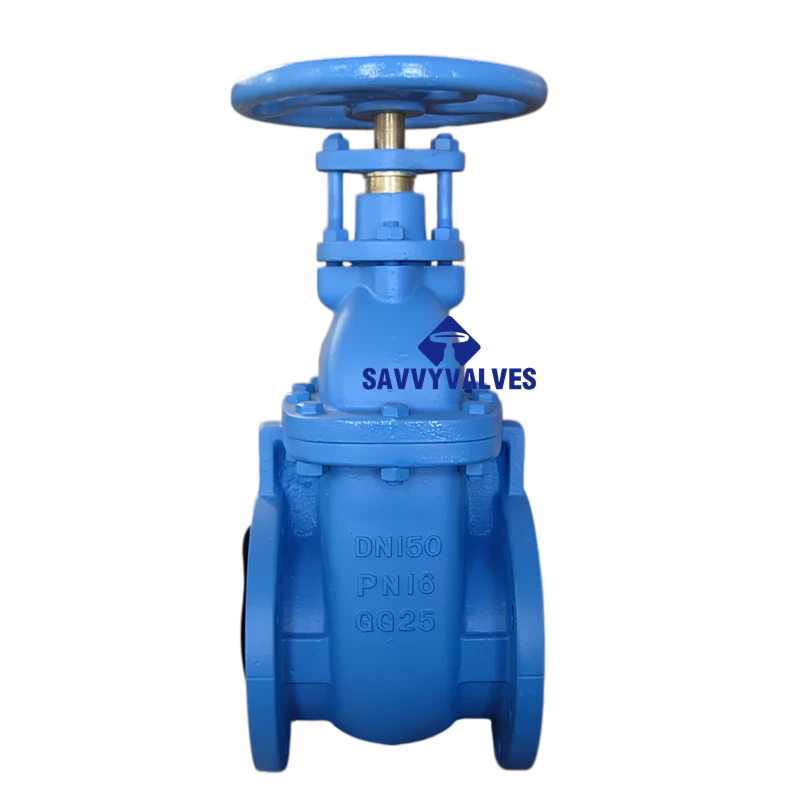 Nominal Diameter (DN) mm DN50, DN65, DN80, DN100, DN125, DN150, DN200, DN250, DN300, DN350, DN400, DN450, DN500, DN600
Nominal Pressure (PN) Bar PN10 / PN16 / PN25
Working Pressure – Max allowable pressure decreases as temperature increases (Refer to Pressure-Temperature rating chart)
-
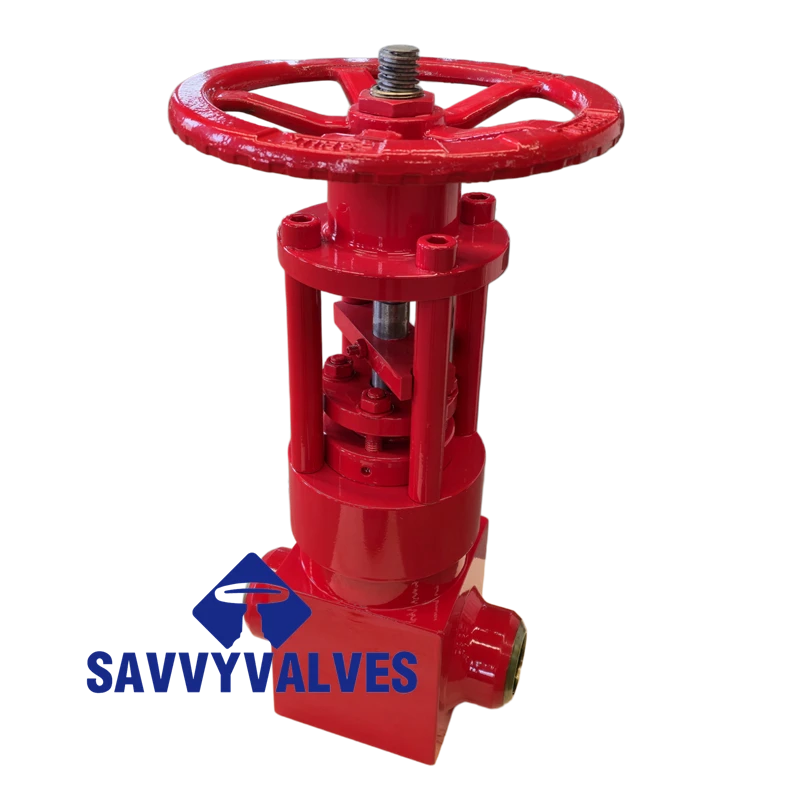 Nominal Size (NPS) 1/2″ ~ 2″ (DN15 ~ DN50)
Pressure Class Class 1500 / Class 2500 / Class 4500 (Custom)
Connection Type Butt-Weld Ends (BW) conforming to ASME B16.25 Temperature Range -29°C ~ +550°C (-20°F ~ +1022°F) Applicable Media High-pressure steam, Hot water, Oil & Gas, Power generation applications
Design Standard API 602 / ASME B16.34 / ISO 15761
-
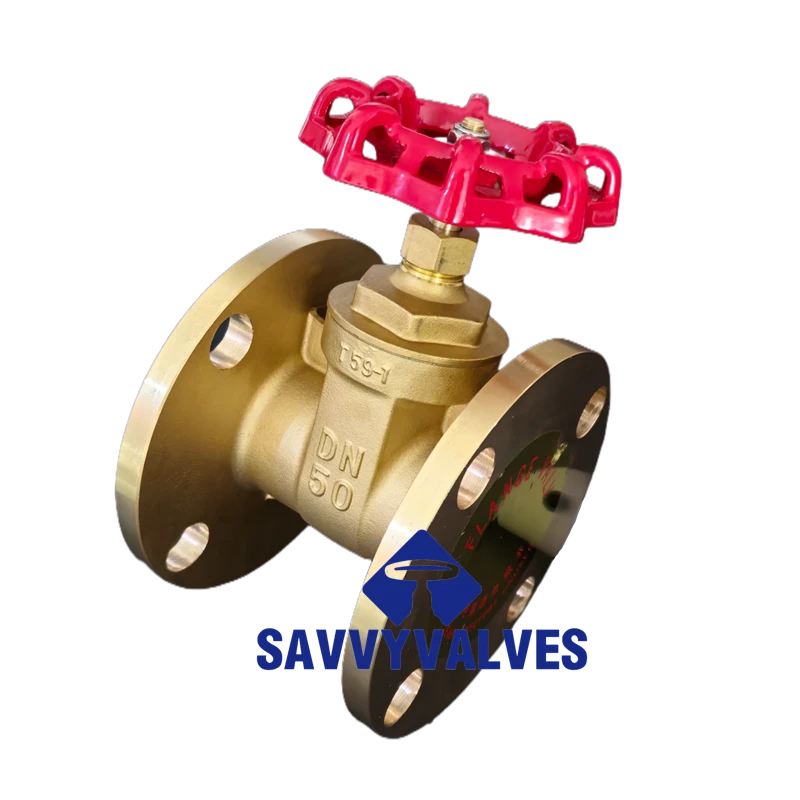 Valve Type Inside Screw, Non-Rising Stem Gate Valve
Bonnet Connection Threaded (Screwed) • Tapered Thread (BSPT/NPT)
Size Range ¼” to 4″ (DN8 to DN100)
Body/Bonnet Material 59-1 Brass (CuZn40Pb2 • GB/T 5231)
Stem 59-1 Brass • ACME Thread (Inside Body) • Square Head for Wrench
Disc Solid Brass Wedge (59-1) • Flexible Design
Seat Integral Body Seat (Machined Brass)
Seals EPDM Stem O-rings (Standard) • Optional: PTFE/VITON®
-
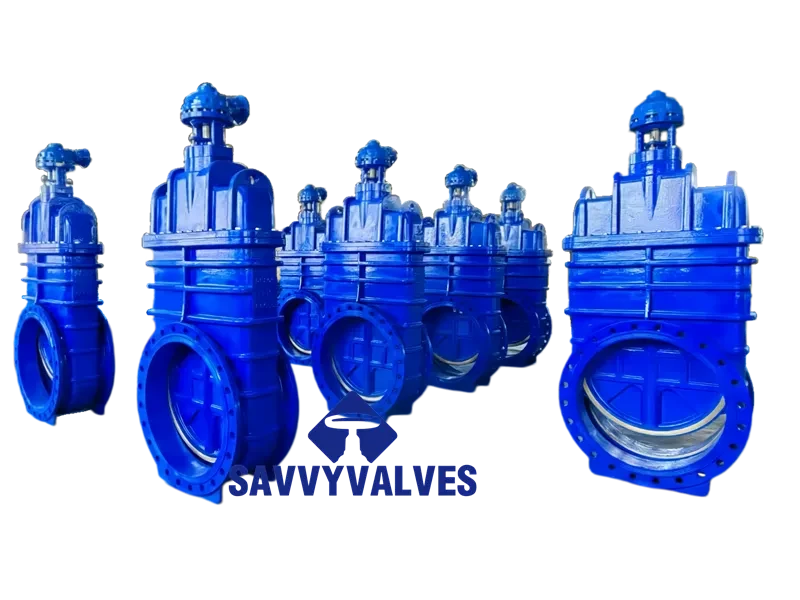 Nominal Size DN800 (32″)
Pressure Rating PN16
End Connection Flanged Ends
Flange Standard DIN EN 1092-2 (PN16, Ductile Iron Flanges, Flat Face / Raised Face)
Face-to-Face Dimension DIN3352 F4 / DIN EN 558 Series 1 (470 mm)
Design & Manufacture Standard DIN3352 (Part 4 / Type F4)
Test & Inspection Standard DIN EN 12266-1
-
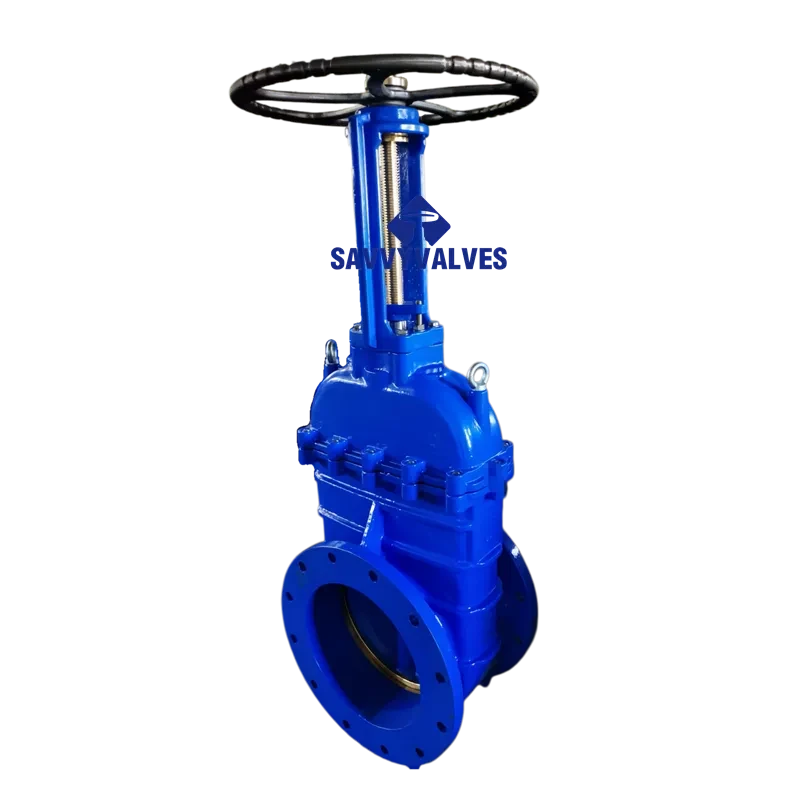 • Type: Outside Screw and Yoke (OS&Y), Solid Wedge, Flanged Ends
• Seat Type: Metal-to-Metal (Bronze Seated)
• Stem Design: Rising stem (indicates open/close position)
• Operation: Handwheel Operated (Gearbox is mandatory for this size due to high seating torque of metal seals)
• Application: High-temperature fluids, Oils, Steam, Abrasive media, or where rubber is not suitable.
-
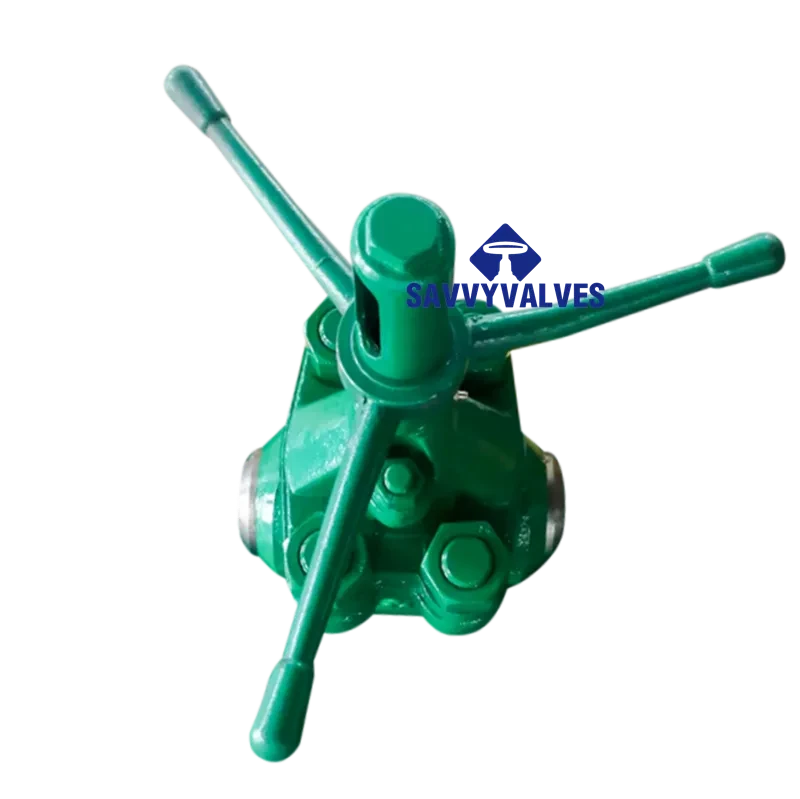 Nominal Size 4″ (DN 100)
Rated Working Pressure 5000 PSI (35 MPa / 345 bar)
End Connection Butt Weld (BW)
Valve Type Mud Gate Valve
Structure Rising Stem
Operation Manual (Hand Wheel Operated)
Sealing Type Metal-to-Rubber / Metal-to-Metal
Temperature Range P-U: -20°F to 250°F (-29°C to 121°C)
Service Media Drilling Mud, Water, Natural Gas, Oil, Sour Gas (H₂S/CO₂)
-
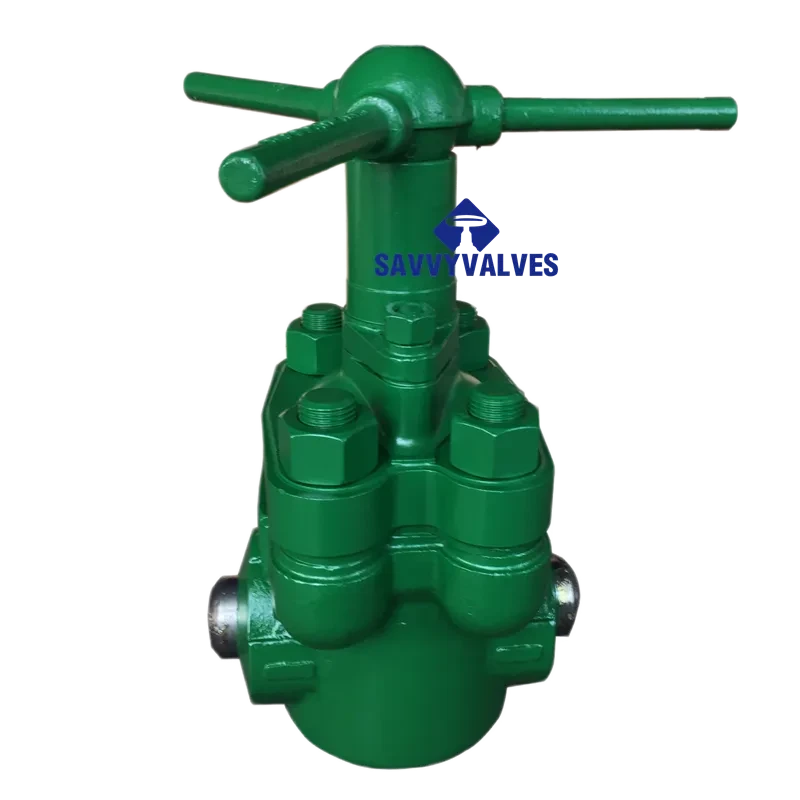 Nominal Size 3″ (DN 80)
Rated Working Pressure 5000 PSI (35 MPa / 345 bar)
End Connection Butt Weld (BW)
Valve Type Mud Gate Valve
Structure Rising Stem
Operation Manual (Hand Wheel Operated)
Sealing Type Metal-to-Rubber / Metal-to-Metal
Temperature Range P-U: -20°F to 250°F (-29°C to 121°C)
Service Media Drilling Mud, Water, Natural Gas, Oil, Sour Gas (H₂S/CO₂)
-
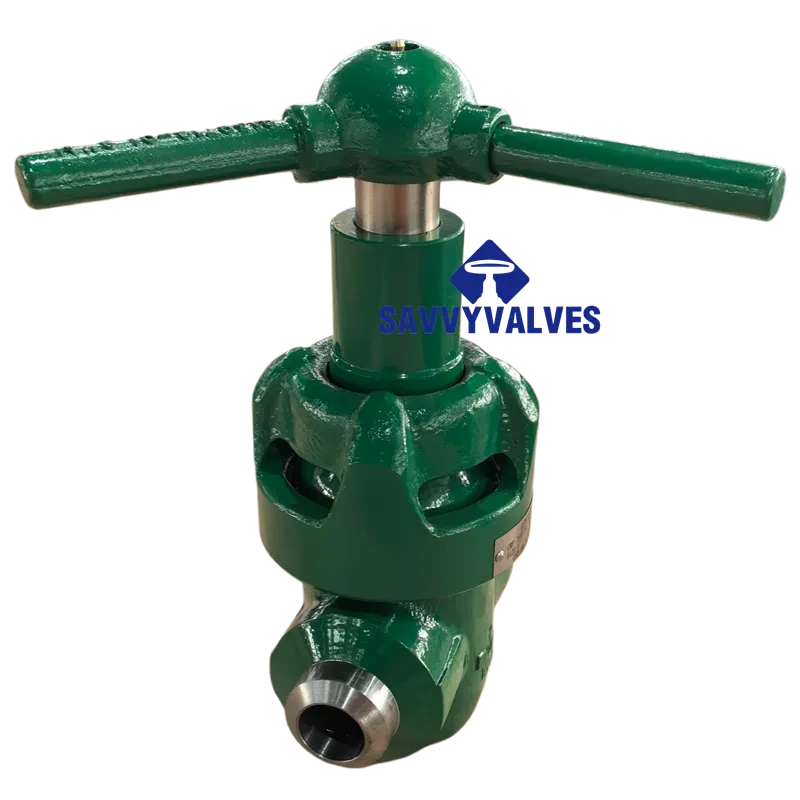 Nominal Size 2″ (DN 50)
Rated Working Pressure 5000 PSI (35 MPa / 345 bar)
End Connection Butt Weld (BW)
Valve Type Mud Gate Valve
Structure Rising Stem
Operation Manual (Hand Wheel Operated)
Sealing Type Metal-to-Rubber / Metal-to-Metal
Temperature Range P-U: -20°F to 250°F (-29°C to 121°C)
Service Media Drilling Mud, Water, Natural Gas, Oil, Sour Gas (H₂S/CO₂)
A gate valve is a type of valve used to completely stop or allow flow in a pipeline by raising or lowering a solid barrier (the gate) into the path of the fluid. It is primarily designed for on/off control rather than flow regulation. When the valve is fully open, the gate is entirely lifted, allowing unobstructed flow with minimal pressure drop. When closed, the gate seals tightly to stop flow entirely. Gate valves are most effective in systems where the valve remains either fully open or fully closed for extended periods. They are not ideal for throttling purposes because the partially open gate can vibrate, causing wear and potentially damaging the valve. These valves are widely used in water supply systems, oil and gas pipelines, and industrial applications due to their robust construction and ability to handle high pressures and temperatures. Common materials include cast iron, stainless steel, and brass, with options tailored to specific media and environments. Gate valves are known for their durability, tight sealing, and long service life, making them a preferred choice in many heavy-duty applications.


 Czech
Czech  English
  Arabic
  Azerbaijani
  Dutch
Dutch  French
  German
  Indonesian
  Italian
  Japanese
  Korean
  Malay
Malay  Persian
  Polish
  Portuguese
  Russian
  Spanish
  Thai
Thai  Vietnamese