Flanged ball valve manufacturers play a critical role in numerous industrial processes worldwide, ensuring the safe and efficient flow of fluids and gases. These valves, characterized by their robust construction and reliable sealing capabilities, are essential components in sectors ranging from oil and gas to chemical processing and water treatment. Understanding the nuances of their design, manufacturing, and application is crucial for engineers, procurement professionals, and operators seeking optimal performance and longevity in their systems. flanged ball valve manufacturers are constantly evolving to meet increasingly stringent industry demands.
The global demand for flanged ball valves is directly correlated with industrial growth and infrastructure development. According to recent reports, the valve market is projected to experience steady expansion in the coming years, driven by factors such as increasing urbanization, expanding energy production, and the need for efficient water management systems. This growing demand underscores the importance of identifying reliable and innovative flanged ball valve manufacturers who can deliver high-quality products and responsive support.
Selecting the right flanged ball valve manufacturer can significantly impact operational efficiency, reduce maintenance costs, and enhance safety. Investing in quality valves from reputable manufacturers minimizes the risk of failures, leaks, and downtime, ultimately contributing to improved profitability and environmental responsibility.
The Significance of Flanged Ball Valve Manufacturers
The significance of specialized flanged ball valve manufacturers lies in their ability to provide customized solutions tailored to the specific needs of diverse industries. Unlike generic valve suppliers, these manufacturers possess deep expertise in material science, valve design, and rigorous quality control processes. This focus ensures optimal performance, reliability, and longevity of their products in challenging operating conditions.
The ripple effect of choosing a competent manufacturer extends beyond the valve itself. It impacts the entire system's efficiency, reducing the potential for costly downtime, environmental hazards, and safety risks. A skilled manufacturer will also provide valuable technical support, assisting clients with valve selection, installation, and maintenance.
Defining Flanged Ball Valve Manufacturers
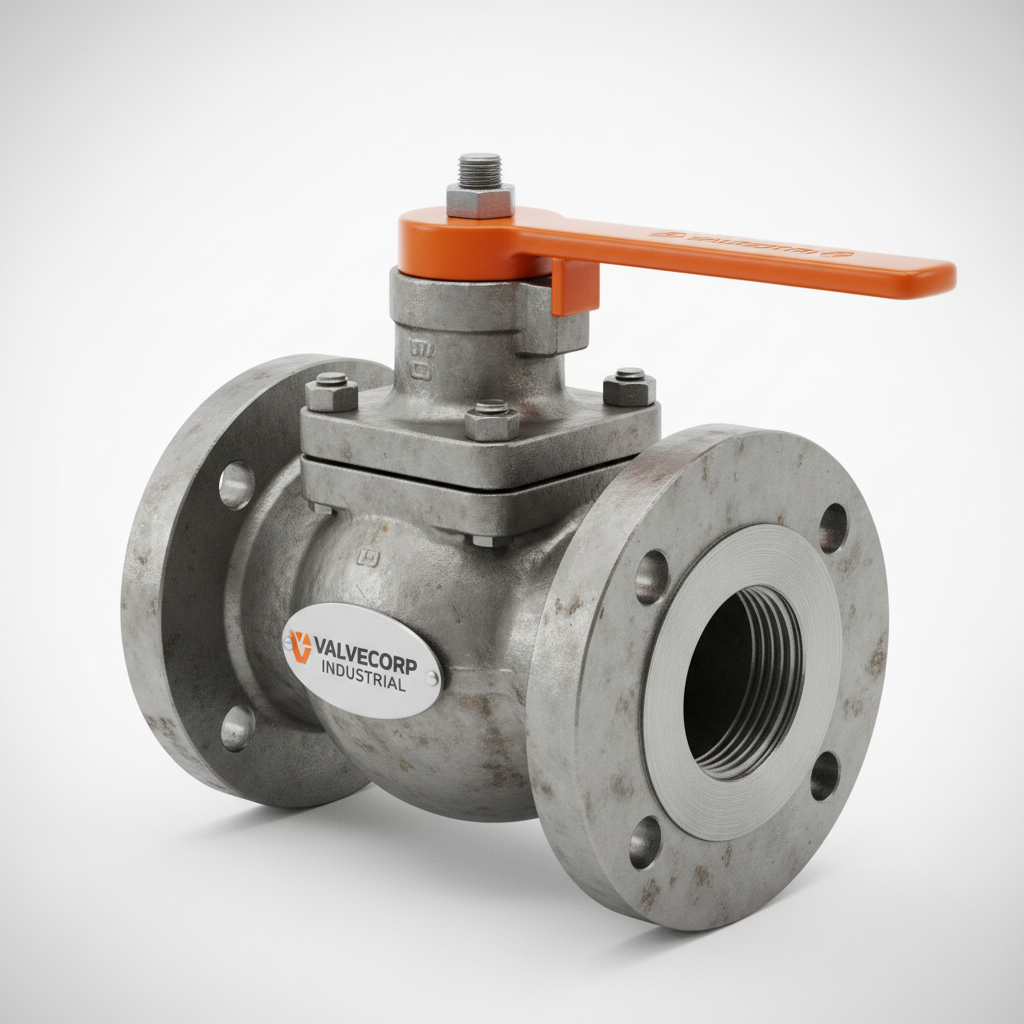
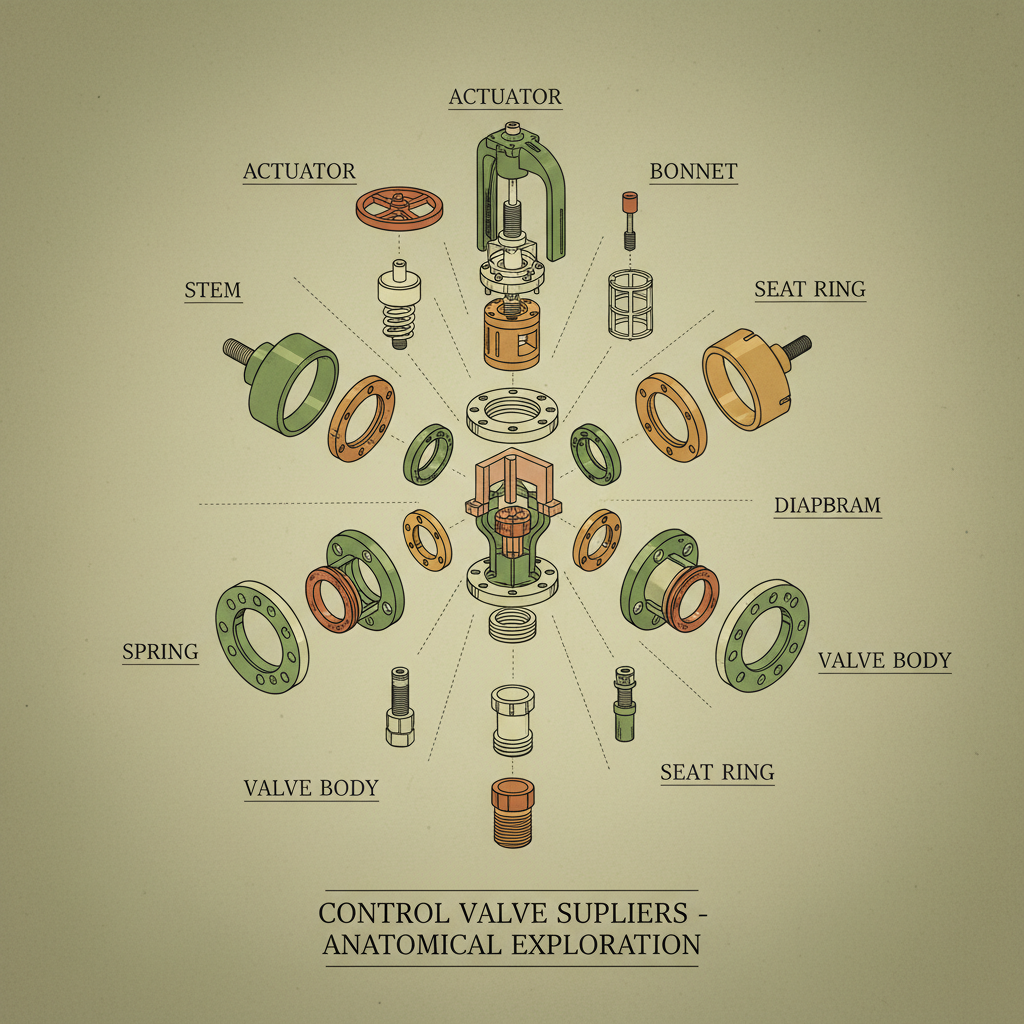
Flanged ball valve manufacturers are companies specializing in the design, production, and distribution of ball valves featuring flanged end connections. A ball valve utilizes a hollow, perforated, and pivoting ball to control fluid flow. The ‘flanged’ connection means the valve is bolted directly to the piping system using flanges, providing a secure and robust sealing solution, especially for high-pressure and high-temperature applications.
These manufacturers typically work with a range of materials – carbon steel, stainless steel, alloy steels, and sometimes specialized plastics – to cater to varying chemical compatibility and temperature requirements. They adhere to stringent industry standards, such as ASME, API, and ISO, to guarantee the quality and safety of their products.
The role of these manufacturers extends beyond simply producing valves; they often provide engineering support, custom fabrication, and after-sales services, making them integral partners to industries relying on fluid control systems.
Core Characteristics of Leading Manufacturers
Leading flanged ball valve manufacturers consistently demonstrate a commitment to innovation and quality. This is manifested in their investment in cutting-edge manufacturing technologies, such as CNC machining and automated welding processes, ensuring precise tolerances and repeatable performance. They also prioritize material traceability and rigorous testing procedures throughout the production cycle.
A crucial characteristic is their adherence to international quality standards (ISO 9001, API 6D) and pressure equipment directives. This commitment provides customers with assurance that the valves meet or exceed industry requirements, minimizing the risk of failure and ensuring safe operation. They also provide comprehensive documentation, including material certificates and test reports.
Furthermore, top manufacturers possess a strong understanding of fluid dynamics and valve design principles. This expertise allows them to optimize valve performance for specific applications, considering factors such as flow rate, pressure drop, and fluid properties. They often offer engineering support to help customers select the most appropriate valve for their needs.
Key Performance Indicators of Flanged Ball Valve Manufacturers
Evaluating flanged ball valve manufacturers requires assessing several key performance indicators. One critical metric is lead time, reflecting the manufacturer's ability to deliver valves promptly, particularly for urgent projects or replacement needs. Consistent adherence to delivery schedules demonstrates operational efficiency and reliability.
Another essential indicator is the manufacturer’s warranty policy. A comprehensive warranty demonstrates confidence in the product's quality and provides customers with protection against defects or failures. Furthermore, evaluating the manufacturer’s customer support capabilities—including technical assistance, troubleshooting, and after-sales service—is vital.
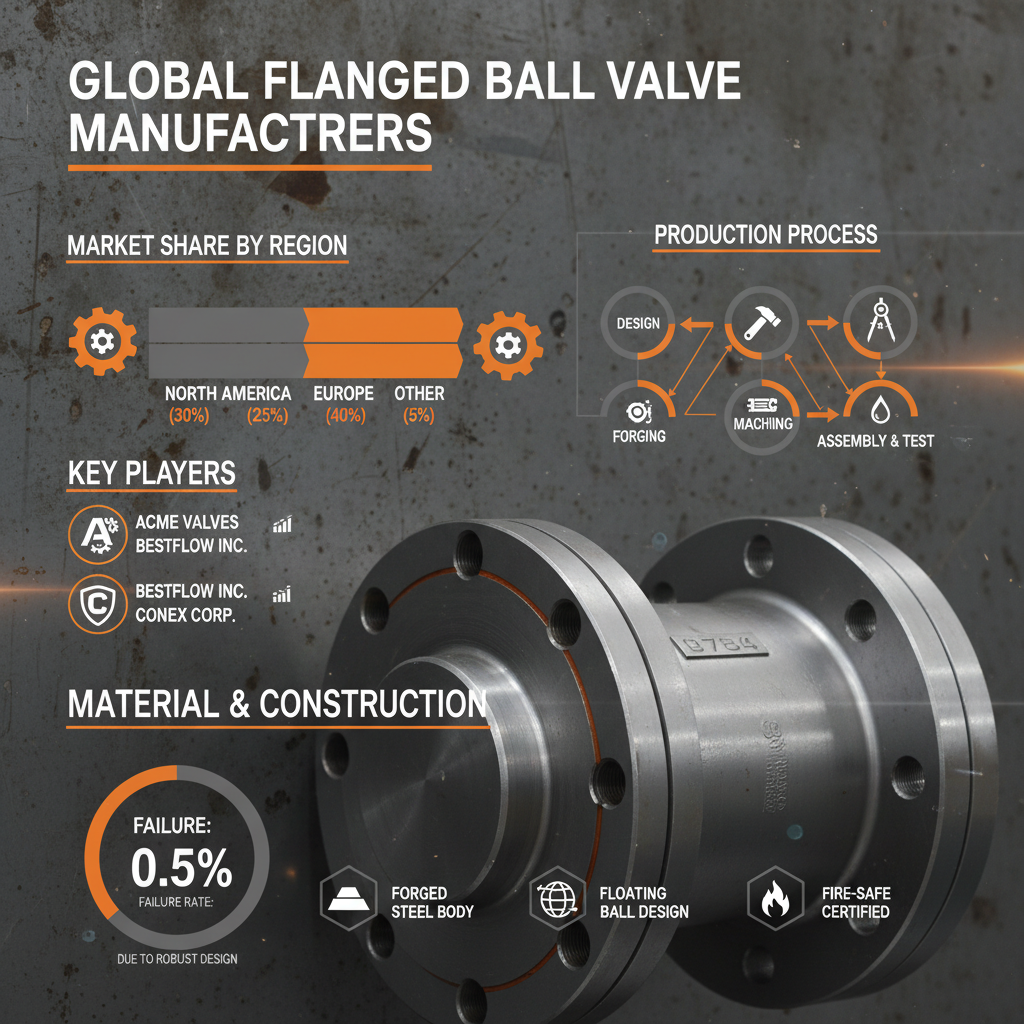
Flanged Ball Valve Manufacturers Performance Metrics
Global Applications and Industry Impact
Flanged ball valves are ubiquitous across numerous industries. In the oil and gas sector, they are critical for controlling the flow of crude oil, natural gas, and refined products, often operating in harsh and demanding environments. Similarly, in the chemical processing industry, these valves manage corrosive and hazardous materials, requiring robust construction and leak-proof sealing.
The water and wastewater treatment industries utilize these valves for regulating water flow, controlling pump operations, and isolating sections of the system for maintenance. Beyond these core sectors, flanged ball valves find application in power generation, pharmaceuticals, food and beverage processing, and marine engineering.
Advantages and Long-Term Value Proposition
Investing in high-quality flanged ball valves from reputable flanged ball valve manufacturers delivers significant long-term value. Reduced maintenance requirements translate into lower operational costs and minimized downtime. Their durable construction and reliable sealing capabilities ensure extended service life, reducing the need for frequent replacements.
Furthermore, selecting valves that meet stringent safety standards minimizes the risk of leaks, spills, and accidents, protecting personnel and the environment. This proactive approach to safety not only enhances operational integrity but also fosters a positive reputation for responsible and sustainable practices.
Future Trends and Technological Advancements
The future of flanged ball valve manufacturing is being shaped by several key trends. The rise of Industry 4.0 and the Industrial Internet of Things (IIoT) is driving the development of smart valves equipped with sensors and communication capabilities, enabling remote monitoring, predictive maintenance, and automated control.
Another significant trend is the increasing demand for sustainable and eco-friendly solutions. Manufacturers are actively exploring the use of innovative materials, such as advanced polymers and corrosion-resistant alloys, to reduce environmental impact and enhance valve performance. Additive manufacturing (3D printing) is also emerging as a promising technology for creating customized valve designs with improved efficiency and reduced material waste.
Digital twin technology is also becoming more prevalent, allowing manufacturers to create virtual replicas of valves for testing, optimization, and predictive failure analysis.
FAQS
Flanged ball valves are commonly constructed from materials like carbon steel, stainless steel (304, 316), and alloy steels to withstand various temperatures and pressures. The choice depends on the fluid being controlled – corrosive chemicals require specialized alloys, while high-temperature applications demand materials with high heat resistance. Manufacturers often offer options for specific applications and certifications for material traceability.
Essential certifications include ISO 9001 (quality management), API 6D (ball valve standards), and pressure equipment directives (e.g., PED in Europe). These certifications demonstrate the manufacturer’s commitment to quality control, adherence to industry standards, and safety regulations. Verification of material certifications (e.g., EN 10204) is also crucial.
The flange rating (e.g., 150#, 300#, 600#) indicates the maximum allowable pressure the valve and its connection can withstand. Selecting the correct flange rating is critical for ensuring safe operation and preventing leaks or failures. The rating must match or exceed the system's operating pressure to avoid catastrophic consequences.
Lead times for custom-designed valves vary depending on the complexity of the design, material availability, and the manufacturer’s workload. Generally, expect a lead time of 8-16 weeks for a fully customized valve. Standard valves with common specifications typically have shorter lead times, often around 4-8 weeks.
Regular inspection for leaks, corrosion, and wear is crucial. Periodic lubrication of the valve stem and seat is also recommended, especially in demanding applications. Following the manufacturer’s guidelines for maintenance and repair ensures optimal performance and extends the valve’s lifespan.
Selecting a valve from a reputable flanged ball valve manufacturers, ensuring proper installation, operating within the specified pressure and temperature limits, and performing regular maintenance are all critical factors. Using appropriate materials for the fluid being controlled and protecting the valve from environmental corrosion will also significantly extend its lifespan.
Conclusion
In conclusion, flanged ball valve manufacturers are pivotal in maintaining the efficiency, safety, and reliability of critical infrastructure across numerous industries. Choosing a manufacturer dedicated to quality, innovation, and customer support is paramount to minimizing operational risks, reducing costs, and maximizing long-term value. Understanding the key performance indicators, industry trends, and material considerations allows for informed decision-making.
Looking ahead, the continued adoption of smart technologies, sustainable materials, and advanced manufacturing techniques will further enhance the performance and capabilities of flanged ball valves. Partnering with forward-thinking manufacturers will be essential for navigating the evolving challenges and opportunities in the fluid control landscape.




 English
  Arabic
  Azerbaijani
  Czech
Czech  Dutch
Dutch  French
  German
  Indonesian
  Italian
  Japanese
  Korean
  Malay
Malay  Persian
  Polish
  Portuguese
  Russian
  Spanish
  Thai
Thai  Vietnamese