Look, control valve suppliers… it's a world, honestly. I've been running around construction sites for fifteen years, seen a lot of stuff. And lately, everything's about smarter systems, right? Everyone wants to automate, to monitor things remotely. Control valves are the heart of that, the brains of the operation, even if no one really thinks about them until something goes wrong. It’s become a real race to integrate everything with digital systems – IoT, cloud monitoring, predictive maintenance. That’s the big push right now.
You wouldn’t believe the things people try to get away with on specs. Have you noticed how everyone wants the 'highest quality' but then balks at the price? It’s always a balancing act. And the designs…so many engineers designing these things have never actually touched one in the field. They get caught up in theoretical efficiency and forget about real-world grime, vibration, and just…general abuse. It’s a constant headache.
Honestly, the biggest challenge isn't the valve itself, it's everything around it. Getting the right piping, the right actuators, the right sensors – it's a system. And it all has to work together seamlessly.
The Current Landscape of control valve suppliers
To be honest, the market is flooded. You've got your big international players, then a ton of smaller, regional control valve suppliers, mostly in China these days. The competition is fierce. It’s not just about price anymore, though. People are demanding more specialized valves – high-temperature, high-pressure, corrosive environments… things get complicated fast. And the lead times are getting longer and longer, especially with everything going on in the world. Supply chain issues are a nightmare.
I encountered a problem at a petrochemical plant last time where the supplier couldn't deliver a specific ball valve with the required certifications for six months. Six months! They had to completely redesign their system to accommodate a different valve. It was a mess.
Common Design Pitfalls in control valve suppliers
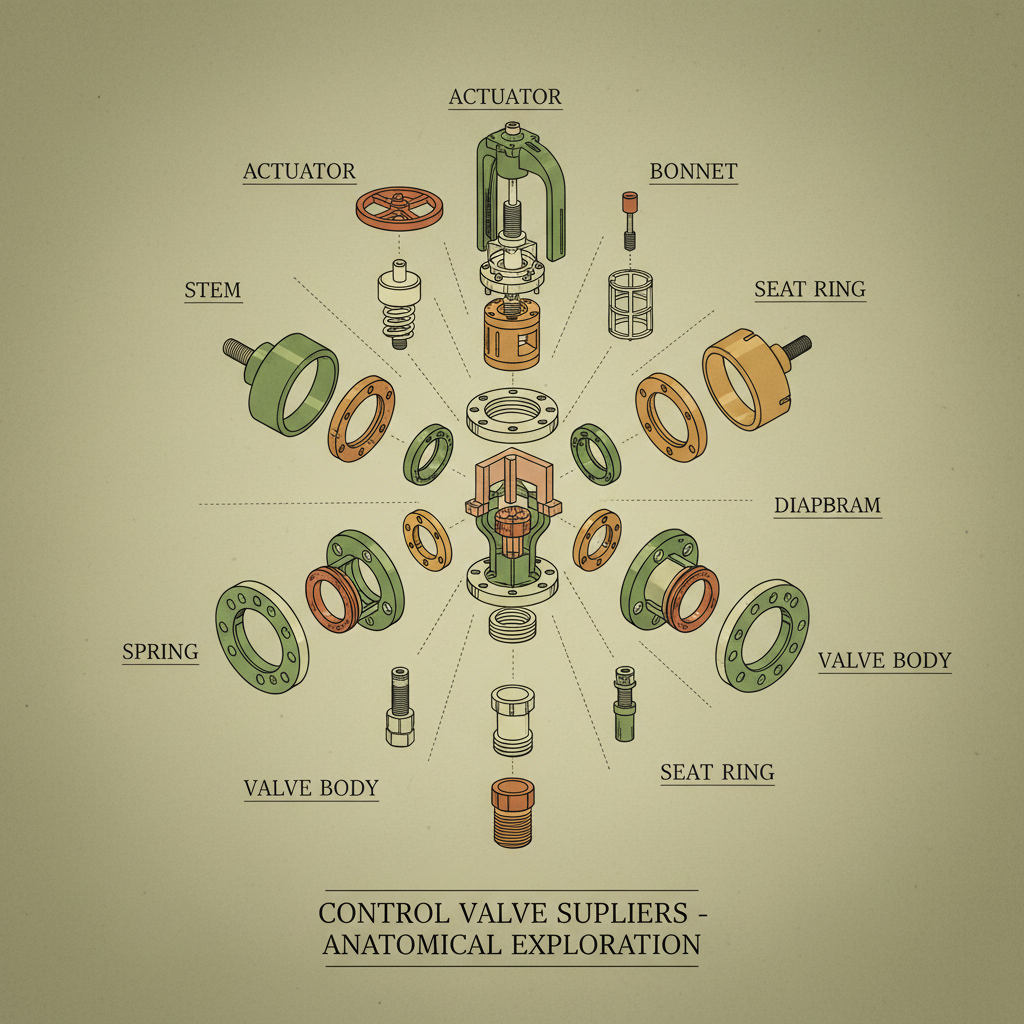
Strangely enough, it’s often the small things that trip people up. Like, not accounting for thermal expansion. A valve that works perfectly fine in the shop can bind up completely when installed in a pipeline that’s exposed to the sun. And the actuator selection… that’s another big one. You need to match the actuator torque to the valve size and the process fluid. Underpowered actuators are a constant source of headaches.
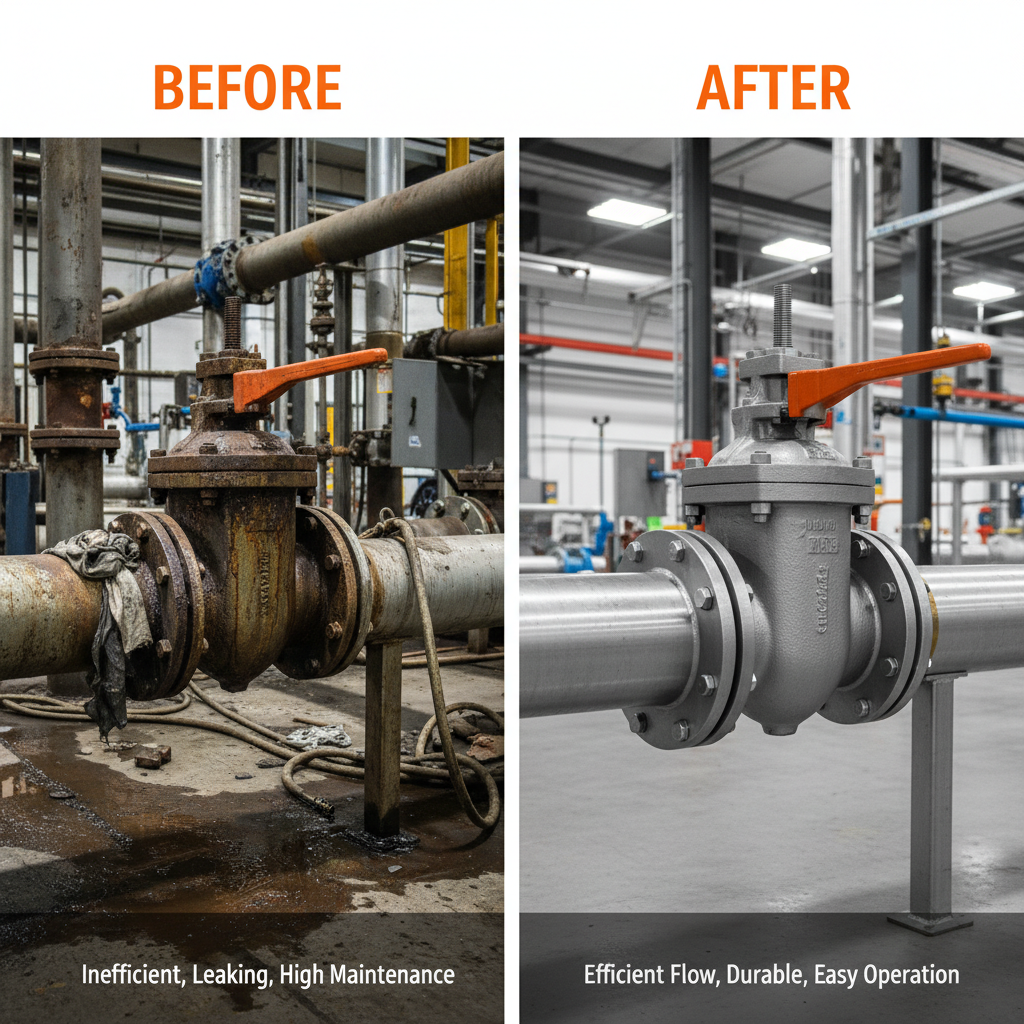
I've also seen way too many designs that make maintenance difficult. Valves buried deep inside equipment, inaccessible for inspection or repair. It’s like they want it to fail. Simple access points, well-designed flanges… these things add cost upfront, but they save a ton of time and money in the long run.
And don't even get me started on the documentation. Half the time, the manuals are useless. Missing parts lists, unclear diagrams…it's infuriating.
Material Science: Beyond the Datasheet for control valve suppliers
Okay, so materials. You’ve got your standard stainless steels – 304, 316. Good all-around performers. But you need to know what you're dealing with. 316 is better for corrosion resistance, but it’s also more expensive. Then you've got things like Hastelloy, Inconel… these are for seriously aggressive environments. They feel… different. Heavier, more substantial. And they smell different when you're machining them. You can tell they’re built to last.
Anyway, I think, the datasheet only tells you part of the story. You need to understand the material’s behavior in your specific application. How it reacts to temperature cycling, to vibration, to the specific chemicals in the process. And you need to consider the manufacturing process. A poorly welded valve, even made from the best materials, is going to fail.
I once worked with a guy who could identify the grade of stainless steel just by looking at the chips. Seriously. He'd pick them up, feel the texture, and just know. I never had that kind of skill, but it showed me how important it is to really understand your materials.
Real-World Testing of control valve suppliers
Lab tests are fine, I guess. But they don’t tell you everything. Pressure testing, flow testing… that's all good, but it doesn't simulate the real world. We do a lot of field testing. Putting valves in actual operating conditions and monitoring their performance. It's messy, it's time-consuming, but it's the only way to really know if something will hold up.
We also do vibration testing. Mounting valves on shakers and subjecting them to the same vibrations they’d experience in a pipeline. It’s amazing how quickly a valve can fail if it’s not properly designed to withstand vibration.
Control Valve Supplier Performance Metrics
Practical Applications & User Behavior for control valve suppliers
You’d think people would use these things as intended, right? Wrong. I’ve seen valves used as makeshift pipe plugs, as flow restrictors when they weren’t designed for it… even as hammer stops! They do what they have to do.
The oil and gas industry is obviously a huge consumer. Refineries, pipelines… they need reliable valves that can handle extreme conditions. But you also see them in water treatment plants, chemical processing, power generation… pretty much anywhere you have fluids or gases that need to be controlled.
Advantages and Limitations of control valve suppliers
The advantage is control, plain and simple. Precise control over flow, pressure, temperature… that's what these valves provide. And good ones are incredibly reliable. They can operate for years with minimal maintenance. But they're not perfect. They're expensive, for one thing. And they can be complex to install and maintain.
They can also be a source of leakage, if not properly maintained. Even a small leak can be a big problem, especially with hazardous materials. And they're susceptible to fouling, corrosion, and erosion.
Later… forget it, I won't mention it.
Customization Options in control valve suppliers
You can customize pretty much anything, if you have the budget. Different materials, different actuators, different trim types… you name it. I had a customer last month, a small boss in Shenzhen who makes smart home devices, who insisted on changing the interface to . ! On a control valve. It made no sense from a technical standpoint, but he wanted it to match his other products. The result? Added cost, increased complexity, and a valve that was harder to connect. But he was happy.
You can also customize the valve's response characteristics. Linear, equal percentage, quick opening… depending on the application, you might need a specific type of response. And you can add features like position feedback, solenoid operators, and limit switches.
There’s always a trade-off, though. More customization means more cost, more lead time, and more potential for problems.
Control Valve Supplier Performance Comparison
| Valve Type |
Typical Application |
Maintenance Frequency |
Estimated Lifespan (Years) |
| Ball Valve |
General Purpose, On/Off Control |
Low - Annual Inspection |
15-20 |
| Globe Valve |
Throttling, Precise Flow Control |
Medium - Semi-Annual Inspection |
10-15 |
| Gate Valve |
Isolation, Infrequent Operation |
Very Low - Bi-Annual Inspection |
20+ |
| Butterfly Valve |
Large Diameter Pipelines, Low Pressure Drop |
Medium - Semi-Annual Inspection |
12-18 |
| Plug Valve |
Slurry Applications, High Viscosity Fluids |
High - Quarterly Inspection |
8-12 |
| Control Valve (Automated) |
Process Control, Remote Operation |
Variable - Based on Application |
5-10 (Actuator dependent) |
FAQS
Without a doubt, it's underestimating the process conditions. They’ll specify a valve based on normal operating conditions, but they forget to account for surges, spikes, and upsets. That's when things go wrong. Always overestimate your worst-case scenario, trust me. It'll save you a headache later. And don’t be afraid to ask the valve supplier for help. They’ve seen it all before.
Crucial. Absolutely crucial. A little bit of preventative maintenance can go a long way. Regular inspection, lubrication, cleaning… it all adds up. And don’t just rely on visual inspection. Use ultrasonic testers to check for leaks, and thermal imaging to identify hot spots. Neglect them and you'll be paying for a full replacement instead of a simple repair. It’s always cheaper to prevent a failure than to fix one.
Simple. An on/off valve is either fully open or fully closed. It's like a light switch. A modulating valve, on the other hand, can control the flow rate precisely. It's like a dimmer switch. Modulating valves are used when you need precise control over a process, while on/off valves are used for simple start/stop applications. The application dictates which you need.
It's all about torque. You need an actuator that can overcome the forces acting on the valve. Consider the valve size, the process fluid, and the required response time. Pneumatic actuators are common, but electric actuators are becoming increasingly popular. They’re more precise and easier to control. But remember, the actuator is only as good as the valve it's controlling.
That depends. Smart valves, with built-in sensors and diagnostics, can provide valuable insights into valve performance. They can help you identify potential problems before they become critical. But they're also more expensive and require more training to maintain. If you have a critical application where downtime is costly, then a smart valve can be a worthwhile investment. Otherwise, a standard valve may be sufficient.
Standards are everything. API 6D, for example, is the industry standard for quarter-turn valves. ISO 9001 ensures that the manufacturer has a robust quality management system. And depending on the application, you might need certifications for specific materials, like NACE for corrosion resistance. Always verify that the valve meets the required standards before you install it. Don’t skimp on this. It could save lives.
Conclusion
So, control valve suppliers aren’t glamorous, but they’re absolutely essential. They’re the unsung heroes of countless industries. They quietly control the flow of everything from water to oil to chemicals, keeping our world running smoothly. From understanding material science and proper testing, to acknowledging user habits and customizing designs, it’s a complex field with no room for shortcuts.
Ultimately, whether this thing works or not, the worker will know the moment he tightens the screw. And that’s the truth of it. You can have all the fancy designs and certifications in the world, but if the valve doesn’t perform reliably in the field, it’s all for nothing. And that’s why I keep showing up to those construction sites, getting my hands dirty, and making sure things are done right. control valve suppliers




 English
  Arabic
  Azerbaijani
  Czech
Czech  Dutch
Dutch  French
  German
  Indonesian
  Italian
  Japanese
  Korean
  Malay
Malay  Persian
  Polish
  Portuguese
  Russian
  Spanish
  Thai
Thai  Vietnamese