Filter strainer suppliers are crucial components in a vast array of industries, from municipal water treatment to sophisticated pharmaceutical manufacturing. Their role in protecting downstream equipment, ensuring product quality, and maintaining operational efficiency is paramount. Globally, the demand for effective filtration solutions is rising, driven by increasingly stringent environmental regulations, growing industrialization in developing nations, and a heightened awareness of public health concerns. Understanding the nuances of filter strainer suppliers – their capabilities, applications, and future trends – is no longer simply a technical consideration, but a strategic necessity for businesses and organizations worldwide.
The significance of reliable filter strainer suppliers extends beyond mere functionality. Inadequate filtration can lead to costly downtime, compromised product integrity, and even environmental hazards. Selecting the right supplier requires careful consideration of factors such as material compatibility, pressure ratings, flow rates, and the specific contaminants being removed. The current landscape presents both opportunities and challenges, with advancements in materials science and automation promising improved performance and reduced costs, while supply chain disruptions and evolving regulatory requirements demand proactive adaptation.
Investing in robust and well-maintained filtration systems sourced from reputable filter strainer suppliers is therefore an investment in long-term sustainability, operational excellence, and responsible corporate citizenship. A strategic partnership with a knowledgeable and responsive supplier can translate into significant cost savings, enhanced product quality, and a minimized environmental footprint, ultimately contributing to a more resilient and efficient operation.
The Importance of Filter Strainer Suppliers
Filter strainer suppliers play an absolutely pivotal role in maintaining the integrity and efficiency of countless industrial processes. They aren't simply vendors; they are critical partners in safeguarding expensive equipment from damage, preventing contamination, and ensuring the consistent quality of finished products. Selecting a supplier with a proven track record, a comprehensive product range, and a commitment to innovation is essential for mitigating risks and maximizing operational performance.
The global market for filtration solutions is experiencing substantial growth, fueled by tightening environmental regulations, increasing demand for clean water, and the expansion of industries such as pharmaceuticals, food and beverage, and oil and gas. This growth underscores the importance of identifying reliable filter strainer suppliers capable of meeting evolving demands, adapting to new technologies, and providing consistent, high-quality products.
Defining Filter Strainer Suppliers
Filter strainer suppliers are companies specializing in the design, manufacture, and distribution of filtration equipment designed to remove solid particles from liquids or gases. These devices, often referred to as strainers, are a foundational element in fluid management systems, functioning as a first line of defense to protect pumps, valves, nozzles, and other sensitive components from damage caused by debris, scale, rust, and other contaminants.
These suppliers offer a broad spectrum of products, including Y-strainers, basket strainers, duplex strainers, and self-cleaning strainers, each suited for different applications and flow rates. They often provide customization options to meet specific client needs, adapting materials, mesh sizes, and connection types to optimize performance within a particular process.
The role of filter strainer suppliers extends beyond merely providing hardware; many offer engineering support, installation assistance, and ongoing maintenance services, solidifying their position as trusted partners in fluid system management. Their solutions are integral to modern industry and humanitarian efforts, such as providing clean water access in underserved communities.
Key Aspects of Quality Filter Strainer Suppliers
When evaluating filter strainer suppliers, several key factors distinguish a reliable partner from a less capable one. Durability is paramount, requiring the use of high-quality materials, such as stainless steel, that can withstand corrosive environments and high-pressure applications. Scalability is another critical aspect, ensuring that the supplier can accommodate varying order volumes and evolving project requirements, from small-scale repairs to large-scale infrastructure projects.
Cost efficiency, while important, should never come at the expense of quality. A reputable supplier will offer competitive pricing without compromising on materials or manufacturing processes. Furthermore, a strong commitment to customer service – including technical support, prompt delivery, and responsive communication – is indicative of a supplier who values long-term partnerships. Finally, adherence to industry standards and certifications (such as ISO 9001) demonstrates a dedication to quality control and continuous improvement.
Beyond these core elements, responsiveness to unique application challenges and a willingness to collaborate on custom solutions are increasingly valuable attributes. Suppliers who invest in research and development, explore innovative materials, and embrace digital technologies are better positioned to provide cutting-edge filtration solutions that meet the evolving needs of their clients.
Practical Applications Across Industries
The applications for filter strainer suppliers are remarkably diverse. In the water treatment industry, they protect pumps and membranes from clogging, ensuring the efficient delivery of clean and safe drinking water. Within the pharmaceutical sector, these strainers prevent particulate contamination during the manufacturing of drugs and vaccines, safeguarding product quality and patient safety.
Filter Strainer Supplier Performance Metrics
Advantages & Long-Term Value Proposition
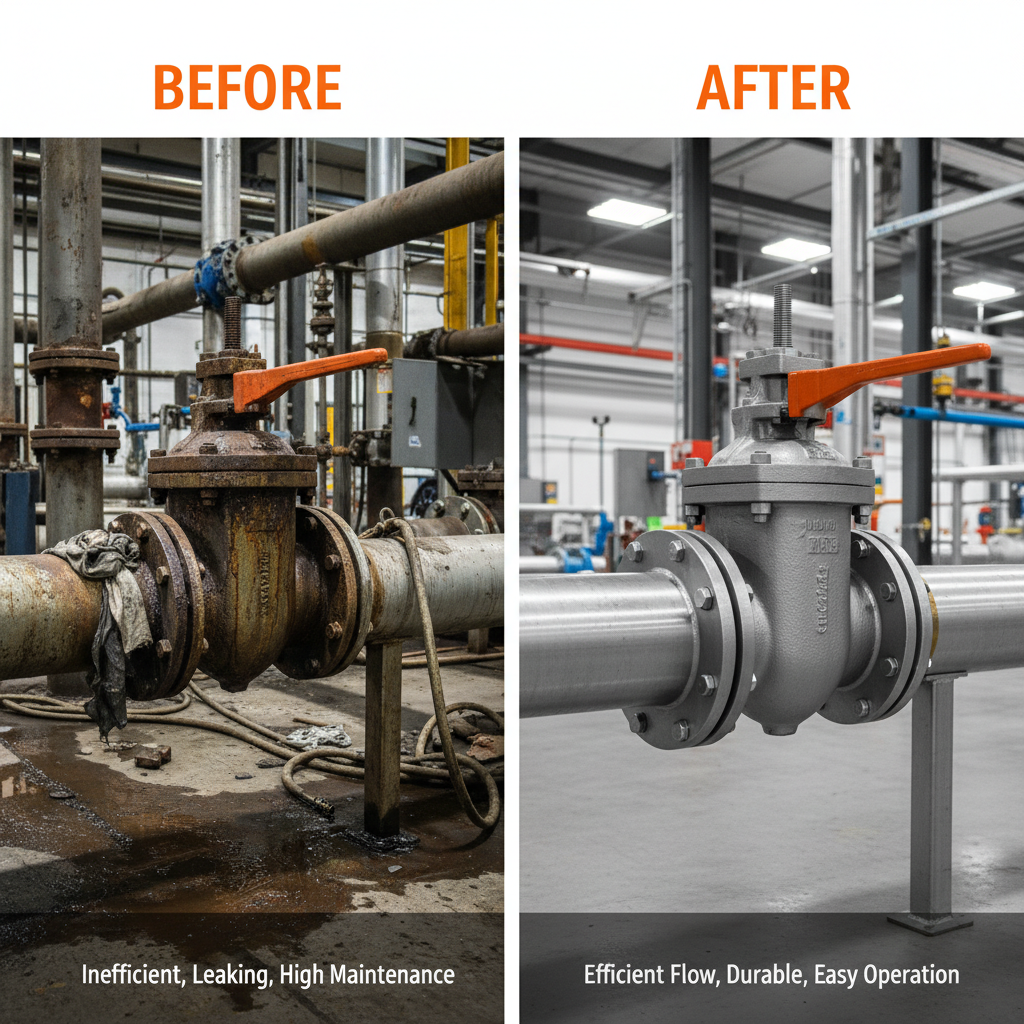
The benefits of partnering with reliable filter strainer suppliers are multifaceted. Tangible cost savings are realized through reduced downtime, minimized equipment repairs, and extended component lifespans. Sustainability is enhanced by preventing the release of harmful contaminants into the environment and reducing water usage through more efficient filtration processes.
Beyond these practical advantages, there’s a significant impact on product quality and customer satisfaction. Consistent and reliable filtration ensures the purity and consistency of finished goods, building trust with consumers and strengthening brand reputation. A dependable supply chain, facilitated by a responsive filter strainer supplier, contributes to operational resilience and business continuity, providing a competitive edge in dynamic market conditions.
Future Trends & Technological Advancements
The future of filter strainer suppliers is inextricably linked to several key trends. The rise of “smart” filtration systems, incorporating sensors, data analytics, and remote monitoring capabilities, is enabling predictive maintenance and optimized performance. Developments in materials science, such as the use of advanced polymers and ceramics, are leading to more durable, corrosion-resistant, and efficient filtration solutions.
Automation and digital transformation are streamlining manufacturing processes, improving quality control, and reducing lead times. The growing emphasis on sustainability is driving demand for eco-friendly filtration materials and energy-efficient designs. As regulations become stricter, filter strainer suppliers are expected to innovate continually and provide solutions that meet evolving environmental standards.
Common Challenges & Innovative Solutions
Despite advancements, challenges remain for both filter strainer suppliers and their customers. One common issue is fouling – the accumulation of contaminants on the filter media, reducing flow rates and efficiency. Innovative self-cleaning strainer designs and automated backwashing systems address this problem, minimizing maintenance requirements and extending filter life.
Another challenge is selecting the appropriate filter media for specific applications. Suppliers are increasingly offering customized filtration solutions, utilizing advanced materials and sophisticated modeling techniques to optimize performance for unique fluid compositions and operating conditions. Furthermore, supply chain vulnerabilities and lead time concerns are being mitigated through strategic sourcing, inventory management, and localized manufacturing capabilities.
A proactive approach to these challenges – embracing innovation, fostering collaboration, and prioritizing customer needs – is essential for filter strainer suppliers to thrive in an increasingly competitive landscape.
Overview of Filter Strainer Supplier Performance Metrics
| Supplier Responsiveness |
Product Quality & Reliability |
Technical Expertise & Support |
Overall Cost-Effectiveness |
| Excellent (Response time
|
9/10 (Minimal reported failures) |
Highly knowledgeable engineers available |
Competitive pricing with volume discounts |
| Good (Response time 24-48 hours) |
8/10 (Occasional minor issues) |
Competent support team, but limited expertise |
Moderate pricing, standard terms |
| Average (Response time > 48 hours) |
7/10 (Some reported quality concerns) |
Basic support, limited technical assistance |
Higher pricing, less flexible terms |
| Excellent (Proactive communication) |
10/10 (Exceptional build quality) |
Dedicated engineering support team |
Value-added services included |
| Poor (Slow response, lack of follow-up) |
5/10 (Frequent failures and defects) |
Limited or no technical support |
High pricing, unfavorable terms |
| Good (Consistent and timely) |
8.5/10 (Reliable performance) |
Provides training resources |
Offers customized solutions |
FAQS
Lead times for custom filter strainers vary depending on complexity, materials, and current production schedules. Generally, simple customizations may take 2-4 weeks, while more complex designs can require 6-8 weeks or longer. Discussing your specific requirements with a supplier early in the process will provide a more accurate estimate. Factors affecting lead time include material availability, fabrication capacity, and any necessary quality control testing.
Common materials include stainless steel (304, 316L), carbon steel, and various polymers like polypropylene or nylon. Stainless steel is favored for its corrosion resistance and durability, particularly in demanding applications. Carbon steel is more cost-effective but requires protective coatings. Polymers are used for applications where chemical compatibility and weight are critical considerations. Material selection depends on the fluid being filtered, operating temperature, and pressure requirements.
Determining the correct mesh size involves considering the particle size distribution of the contaminants you need to remove. A smaller mesh size will capture finer particles but can also increase pressure drop and require more frequent cleaning. It’s essential to balance filtration efficiency with flow rate requirements. Consulting with a filter strainer supplier can help you identify the optimal mesh size based on your specific application and fluid characteristics.
Regular maintenance is crucial for maintaining filter strainer performance. This typically involves periodic cleaning or replacement of the filter element to remove accumulated debris. The frequency of maintenance depends on the application and the level of contamination. Inspecting the strainer for damage, corrosion, or leaks is also important. Self-cleaning strainers reduce maintenance requirements, but still need periodic inspection.
Filter strainers can be used with viscous fluids, but careful consideration must be given to pressure drop and flow rate. Highly viscous fluids create significantly more resistance, potentially reducing flow and increasing the risk of clogging. Selecting a strainer with a larger surface area and a more open mesh design can help mitigate these issues. Suppliers may recommend specific strainer types or materials optimized for viscous fluid applications.
Look for suppliers with ISO 9001 certification, demonstrating a commitment to quality management systems. Other relevant certifications may include ASME (American Society of Mechanical Engineers) for pressure vessel components and specific industry certifications related to your application. These certifications provide assurance that the supplier adheres to rigorous standards for design, manufacturing, and testing.
Conclusion
In conclusion, effective filtration is indispensable across a broad spectrum of industries, and reliable filter strainer suppliers are pivotal in ensuring this functionality. From protecting critical equipment to safeguarding product quality and promoting sustainable practices, the benefits of partnering with a knowledgeable and responsive supplier are substantial. By prioritizing durability, scalability, and innovation, companies can unlock significant cost savings, enhance operational efficiency, and maintain a competitive edge.
Looking ahead, the future of filter strainer suppliers will be shaped by advancements in materials science, automation, and data analytics. Embracing these technologies and fostering a collaborative approach to problem-solving will be essential for meeting the evolving needs of a dynamic global marketplace. To explore how Savvy Valve Tech can provide tailored filtration solutions for your specific application, visit our website today: www.savvyvalvetech.com.




 English
  Arabic
  Azerbaijani
  Czech
Czech  Dutch
Dutch  French
  German
  Indonesian
  Italian
  Japanese
  Korean
  Malay
Malay  Persian
  Polish
  Portuguese
  Russian
  Spanish
  Thai
Thai  Vietnamese