The reliable flow of water is fundamental to modern life, and safeguarding that flow is paramount. At the heart of many water systems lies the often-unsung hero: the water supply check valve. This seemingly simple component plays a critical role in preventing backflow contamination, ensuring water purity, and maintaining the efficiency of water distribution networks globally. Understanding the principles and applications of a water supply check valve is essential for engineers, plumbers, municipal water authorities, and anyone involved in the safe and efficient delivery of this vital resource.
The global demand for clean water is constantly increasing, driven by population growth, industrial expansion, and climate change. Simultaneously, concerns about water quality and the prevention of pollution are escalating. A robust and reliable water supply check valve system is therefore no longer simply a matter of operational efficiency; it’s a necessity for public health and environmental protection. Investment in these valves, alongside proactive maintenance and adherence to international standards, is crucial to meet the challenges of providing safe water for all.
From municipal drinking water supplies to industrial processes and irrigation systems, the importance of preventing backflow cannot be overstated. The implementation of effective check valves, conforming to standards set by organizations like the American Water Works Association (AWWA) and ISO, directly contributes to the sustainability and resilience of water infrastructure worldwide. This proactive approach minimizes risks and ensures a consistent, safe water supply.
Defining the Function of water supply check valve
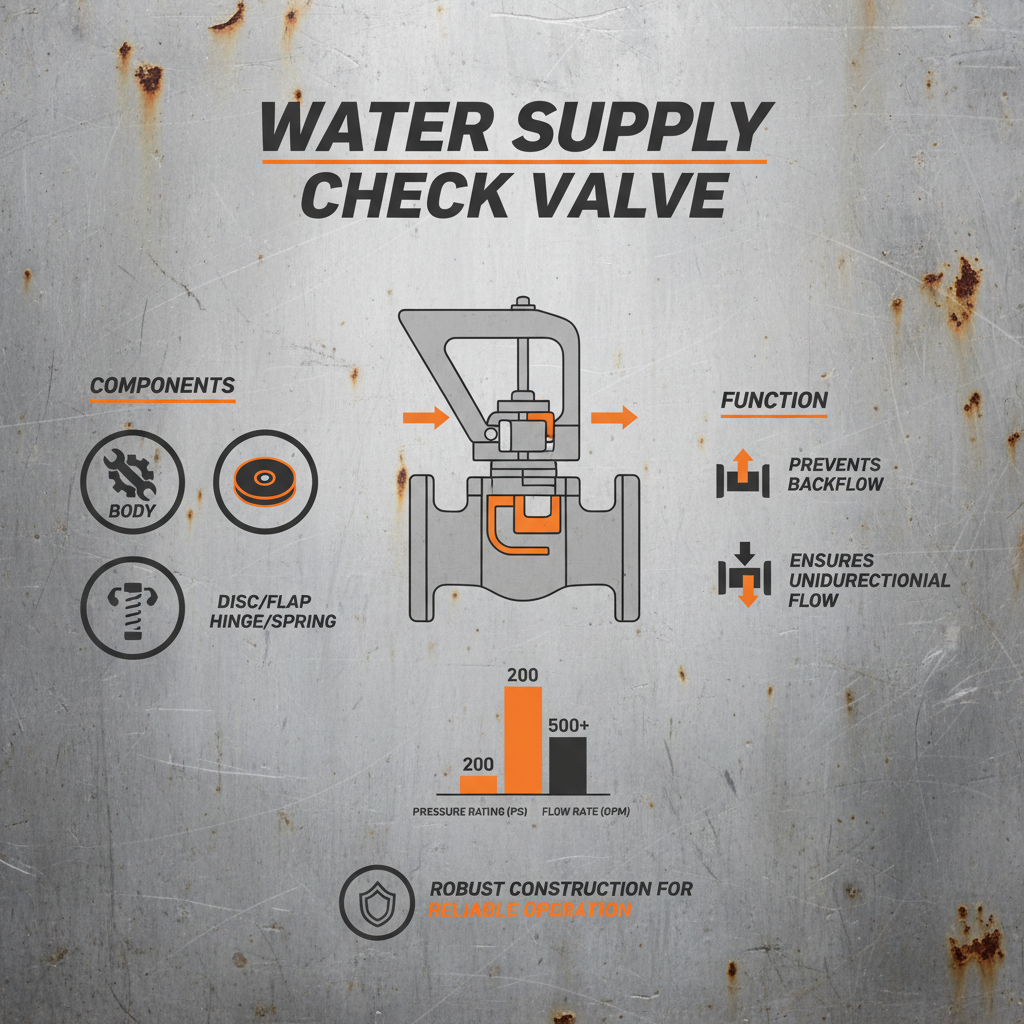
A water supply check valve is a mechanical device designed to allow fluid (in this case, water) to flow in only one direction. Its primary function is to prevent backflow, which is the unwanted reversal of fluid flow. This is critical in maintaining the integrity of water systems and preventing contamination. Without a properly functioning check valve, pollutants or non-potable water could potentially enter the potable water supply, posing significant health risks.
These valves are integral to both simple residential plumbing and complex industrial water networks. They operate automatically, requiring no external control or power source, making them a reliable and low-maintenance solution for ensuring unidirectional flow. Their application is vital in upholding standards for water quality and safety as defined by public health regulations worldwide.
The Global Importance of Check Valve Technology
The need for reliable water systems, and therefore, effective check valves, is a global concern. According to the United Nations, billions of people still lack access to safe water, and water scarcity is a growing challenge in many regions. Preventing contamination and minimizing water loss through backflow are crucial steps in maximizing the availability of this essential resource. Developing nations, in particular, benefit significantly from affordable and robust water supply check valve solutions.
International standards, such as those set by the International Organization for Standardization (ISO), guide the design, testing, and certification of check valves, ensuring a consistent level of quality and performance across different manufacturers and applications. Adherence to these standards is essential for building trust in water infrastructure and protecting public health on a global scale. The implementation of such valve technology helps align water systems with Sustainable Development Goal 6: Clean Water and Sanitation.
Furthermore, the economic impact of contaminated water supplies is substantial, leading to increased healthcare costs and reduced productivity. Investing in preventative measures, such as high-quality check valves, is a cost-effective strategy for mitigating these risks and ensuring the long-term sustainability of water resources.
Core Components & Operational Principles
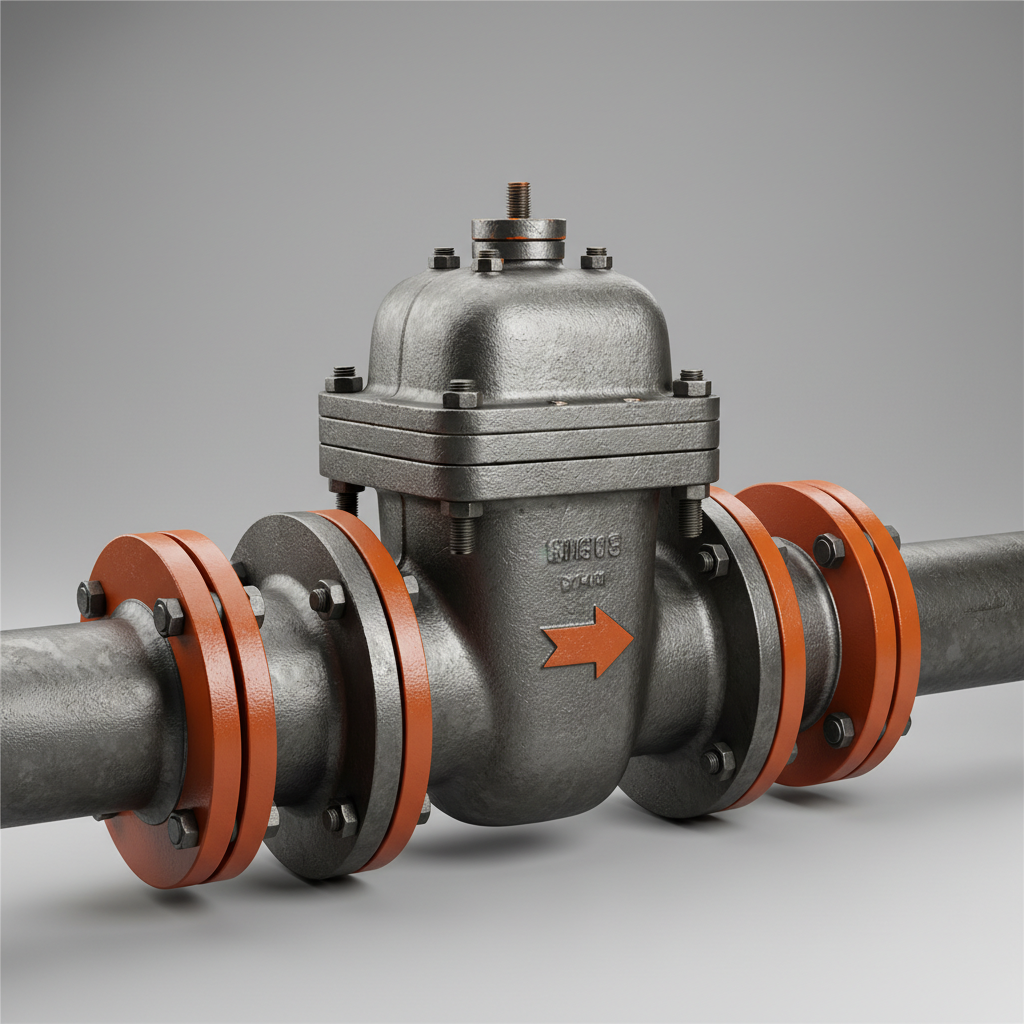
The basic principle behind a water supply check valve relies on pressure differentials. When water flows in the intended direction, the pressure opens the valve, allowing unimpeded passage. However, when the pressure reverses (indicating backflow), the valve automatically closes, sealing off the flow path. Common types of check valves include swing check valves, lift check valves, and ball check valves, each employing a slightly different mechanism to achieve this function.
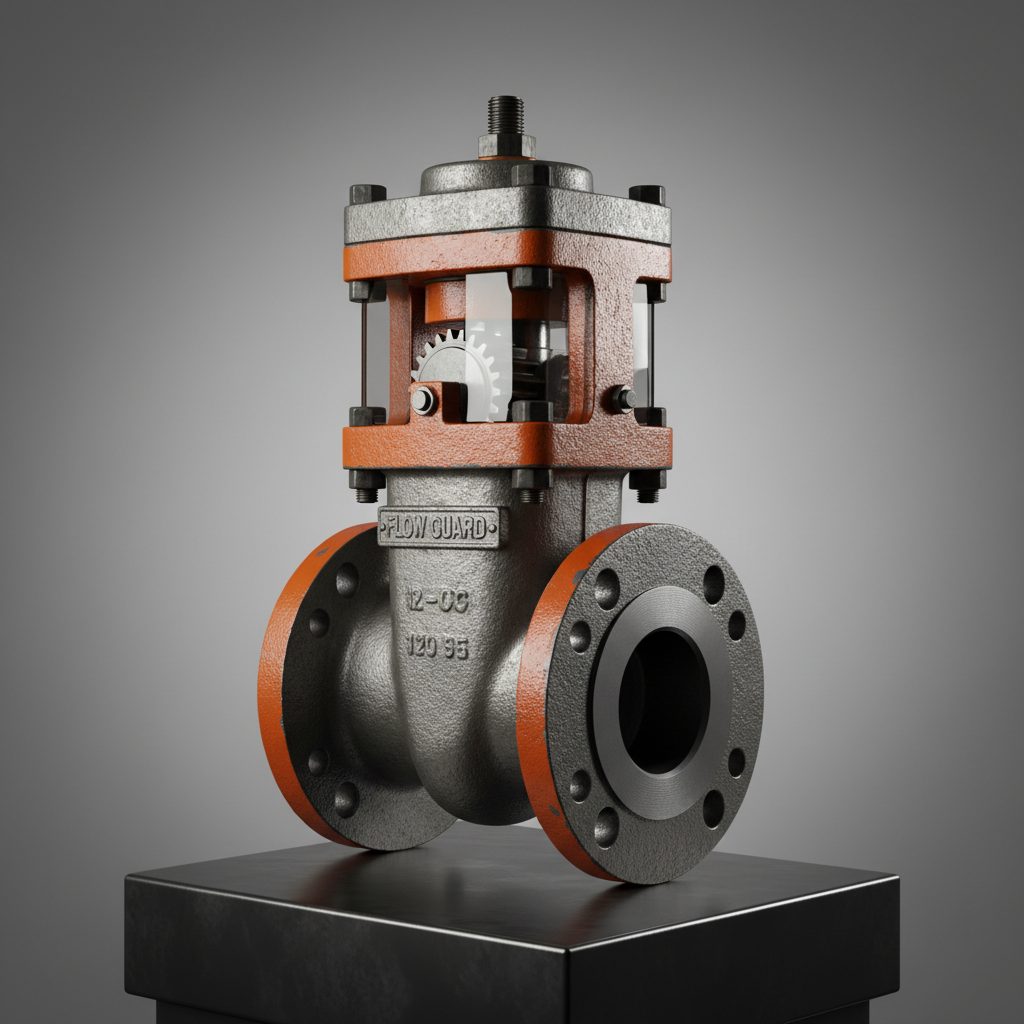
Key components of a check valve typically include the valve body, a disc or ball (the closing element), and a spring (in some designs) to assist in closing. The materials used in construction are critical, with bronze, stainless steel, and PVC being common choices depending on the application and the characteristics of the fluid being handled. The selection of compatible materials is crucial to prevent corrosion and ensure longevity.
Proper installation is also vital for optimal performance. The valve must be oriented correctly to allow for free flow in the intended direction, and sufficient space must be provided upstream and downstream to prevent turbulence that could interfere with its operation. Regular inspection and maintenance are essential to identify and address any wear or damage that could compromise its effectiveness.
Performance Factors: A Comparative Analysis
Several factors influence the performance of a water supply check valve. These include the pressure drop across the valve, the flow rate capacity, the sealing efficiency, and the durability of the materials. Different valve designs excel in different areas; for example, swing check valves generally offer lower pressure drop but may be more prone to water hammer, while ball check valves offer excellent sealing but may have a higher pressure drop.
Understanding these trade-offs is essential for selecting the optimal valve for a specific application. Factors like the fluid temperature, the presence of solids, and the potential for corrosive substances must also be considered. Furthermore, the valve’s material compatibility with the fluid is critical for long-term reliability.
Comparative Performance of water supply check valve Types
Real-World Applications & Industry Integration
Water supply check valve systems are utilized across a wide spectrum of industries. In municipal water treatment plants, they prevent backflow contamination into the public water supply. Industrial facilities use them in cooling systems, boiler feed lines, and chemical processing to protect equipment and maintain process integrity.
Agricultural applications, such as irrigation systems, rely on check valves to prevent water from flowing back into the source, ensuring efficient water use. In fire protection systems, they maintain pressure and prevent water from draining back into the supply lines when a sprinkler head is activated. Even in residential plumbing, they are commonly found in well systems and sewage lines to prevent backflow and maintain sanitary conditions.
Long-Term Benefits and Sustainable Practices
The long-term benefits of investing in high-quality water supply check valve systems extend far beyond simple operational efficiency. Reduced water loss translates to lower operating costs and a smaller environmental footprint. Preventing backflow contamination protects public health, minimizing healthcare expenses and improving overall quality of life.
Sustainable practices, such as selecting valves made from durable, corrosion-resistant materials and implementing regular maintenance programs, further enhance the long-term value of these systems. Choosing valves that meet or exceed industry standards ensures reliability and minimizes the risk of costly failures.
Moreover, proactive valve management contributes to the overall resilience of water infrastructure, enabling it to withstand the challenges of climate change and population growth.
Future Trends and Emerging Innovations
The future of water supply check valve technology is focused on enhancing performance, improving sustainability, and integrating with smart water management systems. The development of advanced materials, such as self-healing polymers and corrosion-resistant alloys, will lead to valves with longer lifespans and reduced maintenance requirements.
Digitalization plays a key role, with the integration of sensors and IoT connectivity enabling remote monitoring of valve performance, predictive maintenance, and real-time leak detection. These smart valves can provide valuable data to optimize water distribution networks and proactively address potential issues.
Furthermore, research is underway to develop more energy-efficient valve designs and explore the use of bio-based materials, contributing to a more sustainable and environmentally friendly water industry.
Summary of Challenges and Solutions in water supply check valve Implementation
| Challenge |
Impact on Water Systems |
Potential Solution |
Implementation Cost (1-10) |
| Corrosion and Material Degradation |
Reduced Valve Lifespan, Potential Leaks |
Utilize Corrosion-Resistant Alloys (e.g., Stainless Steel) |
7 |
| Backflow Contamination Risks |
Public Health Hazards, Water Quality Issues |
Implement Regular Valve Inspections & Testing |
5 |
| Pressure Drop Across Valve |
Reduced System Efficiency, Increased Energy Costs |
Optimize Valve Sizing & Design |
6 |
| Lack of Remote Monitoring |
Delayed Detection of Failures, Reactive Maintenance |
Integrate IoT Sensors for Real-Time Data |
8 |
| Improper Installation |
Premature Valve Failure, Reduced Performance |
Provide Comprehensive Installer Training |
4 |
| Sediment Buildup |
Impeded Valve Operation, Reduced Flow Rate |
Install Strainers/Filters Upstream of Valves |
5 |
FAQS
Several indicators can suggest a failing check valve. These include a noticeable drop in water pressure, water hammer (banging pipes), backflow contamination, or a consistent dripping sound near the valve. Regular inspections are crucial for early detection, as a failing valve can lead to significant water waste and potential health hazards. Proper maintenance and replacement when needed are vital for maintaining water system integrity.
Common materials include bronze, stainless steel, PVC, and cast iron. Bronze offers good corrosion resistance and is suitable for potable water. Stainless steel provides superior durability and is ideal for harsh environments. PVC is a cost-effective option for non-corrosive applications, while cast iron is often used in larger diameter pipelines. The best material depends on factors like fluid type, pressure, temperature, and potential for corrosion.
It’s recommended to inspect check valves at least annually, or more frequently in demanding applications. Maintenance should include visual inspection for leaks, corrosion, and debris buildup. Cleaning the valve seat and testing its functionality are also important. A proactive maintenance schedule can significantly extend the valve’s lifespan and prevent costly failures. Documenting inspections helps track performance over time.
Backflow is the unwanted reversal of water flow in a potable water system. It occurs when pressure in the supply line drops, allowing non-potable water or contaminants to enter the clean water supply. Backflow is dangerous because it can introduce harmful bacteria, chemicals, and other pollutants, posing a serious health risk to consumers. Water supply check valve systems are designed to prevent this.
Yes, common types include swing, lift, ball, and diaphragm check valves. For residential plumbing, swing check valves and ball check valves are often preferred due to their reliability and ability to handle varying water pressures. Swing check valves are generally quieter, while ball check valves offer tighter sealing. The best choice depends on the specific plumbing configuration and water usage patterns.
Correct installation is critical for optimal performance. Ensure the valve is oriented correctly, allowing flow in the intended direction. Avoid excessive pipe stress or strain on the valve body. Use appropriate sealant and tightening torque. It is highly recommended to hire a qualified plumber for installation, as improper installation can lead to premature failure and potential backflow contamination. Following the manufacturer's guidelines is also essential.
Conclusion
In conclusion, the water supply check valve is a deceptively simple component with a profound impact on public health, environmental sustainability, and the efficiency of water infrastructure. From preventing backflow contamination to ensuring reliable water delivery, these valves are essential for maintaining the integrity of our water systems. Understanding their function, proper installation, and ongoing maintenance is crucial for everyone involved in water management.
Looking ahead, continued innovation in materials, smart technologies, and proactive maintenance practices will further enhance the performance and longevity of these critical components. By embracing these advancements, we can ensure a safe, sustainable, and resilient water supply for generations to come. Visit our website at www.savvyvalvetech.com to learn more about our range of water supply check valve solutions.




 English
  Arabic
  Azerbaijani
  Czech
Czech  Dutch
Dutch  French
  German
  Indonesian
  Italian
  Japanese
  Korean
  Malay
Malay  Persian
  Polish
  Portuguese
  Russian
  Spanish
  Thai
Thai  Vietnamese