
Valvole a saracinesca
-
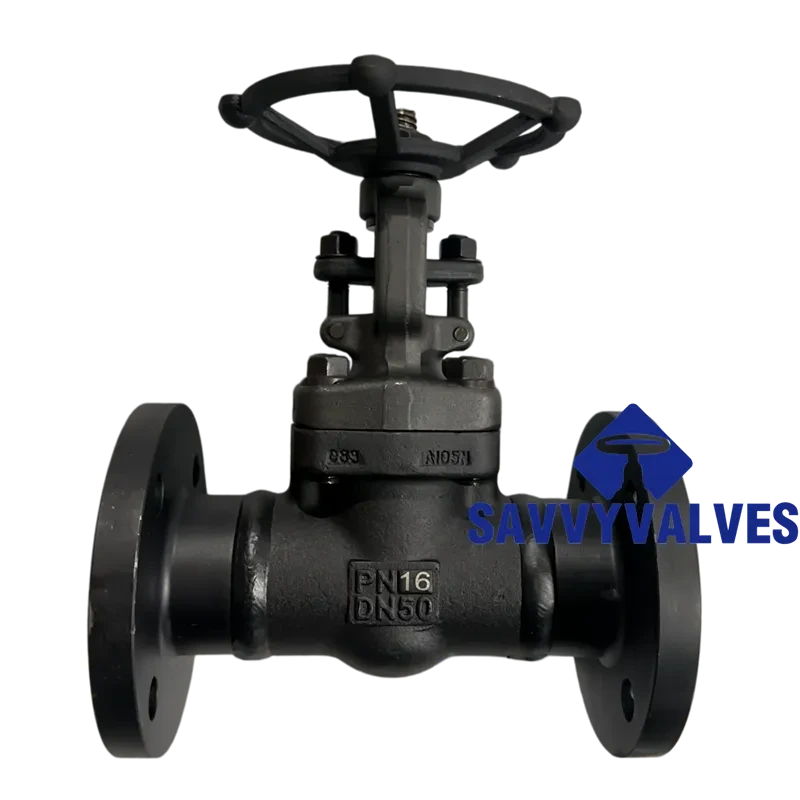 Design Standard BS 5352 / API 602 / ASME B16.34
Nominal Size DN50 (2 inch)
Pressure Class PN16 (Equivalent to Class 150 LB)
Structure Type OS&Y (Outside Screw and Yoke), Bolted Bonnet
Connection Type Welded Flange
Operation Handwheel
Body Material ASTM A105N (Forged Carbon Steel, suitable for NACE MR0175)
-
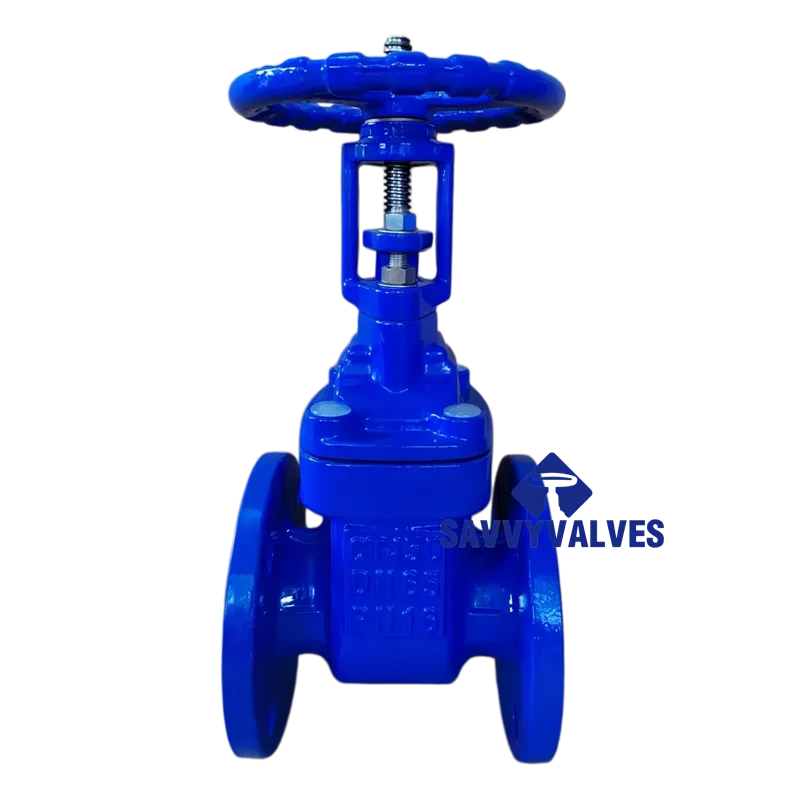 Nominal Size DN65 (2½”)
Pressure Rating PN16
End Connection Flanged Ends
Flange Standard DIN EN 1092-2 (PN16, Ductile Iron Flanges, Flat/Raised Face)
Face-to-Face Dimension DIN 3202 F4 / DIN EN 558 Series 14
Design & Manufacture Standard DIN3352 (Part 4 / Type F4)
Test & Inspection Standard DIN EN 12266-1
-
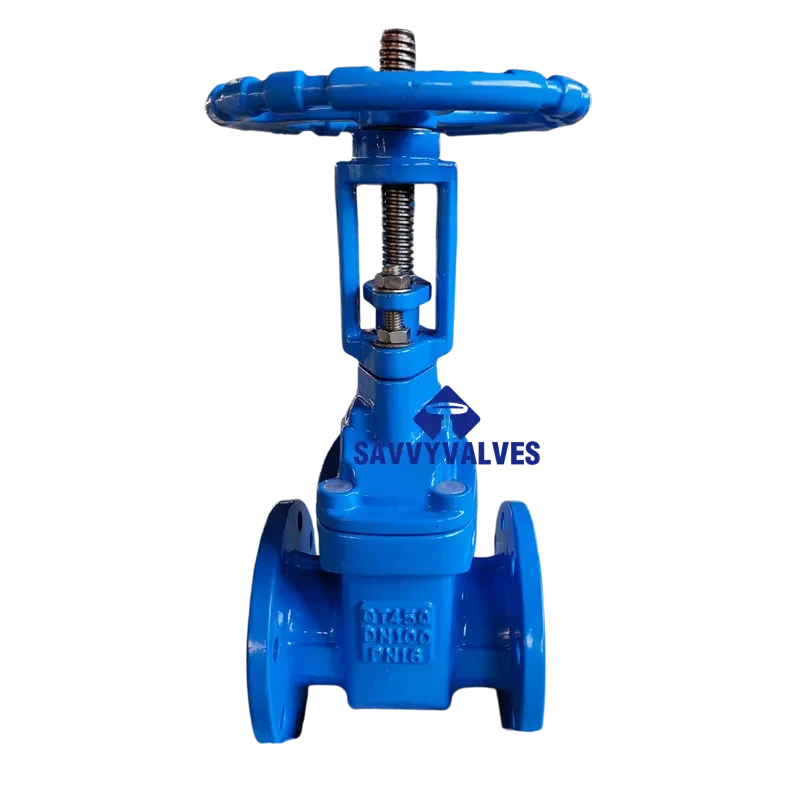 Nominal Size DN100 (4″)
Pressure Rating PN16
End Connection Flanged Ends
Flange Standard BS EN 1092-2 (PN16, Ductile Iron, Flat Face / Raised Face)
Face-to-Face Dimension BS EN 558 Series 1 (or BS 5163)
Design & Manufacture Standard BS 5163 / BS EN 1171
Test & Inspection Standard BS EN 12266-1
-
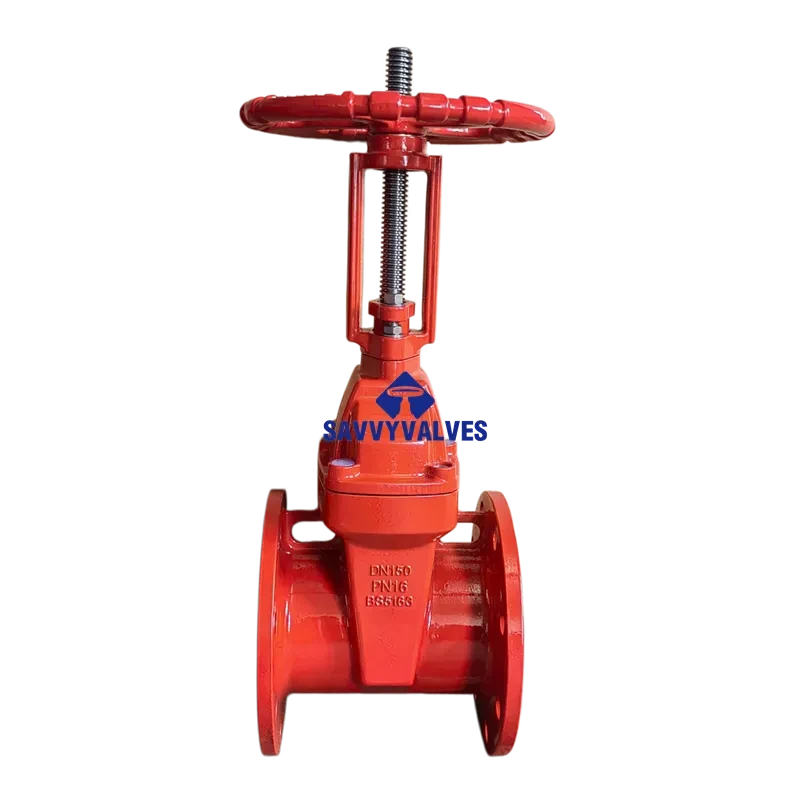 Nominal Size DN150 (6″)
Pressure Rating PN16
End Connection Flanged Ends
Flange Standard BS EN 1092-2 (or BS 4504, PN16, Ductile Iron Flanges, Flat Face / Raised Face)
Face-to-Face Dimension BS5163 / BS EN 558 Series 1 (310 mm)
Design & Manufacture Standard BS5163 (Gate valves for water supply purposes)
Test & Inspection Standard BS EN 12266-1
-
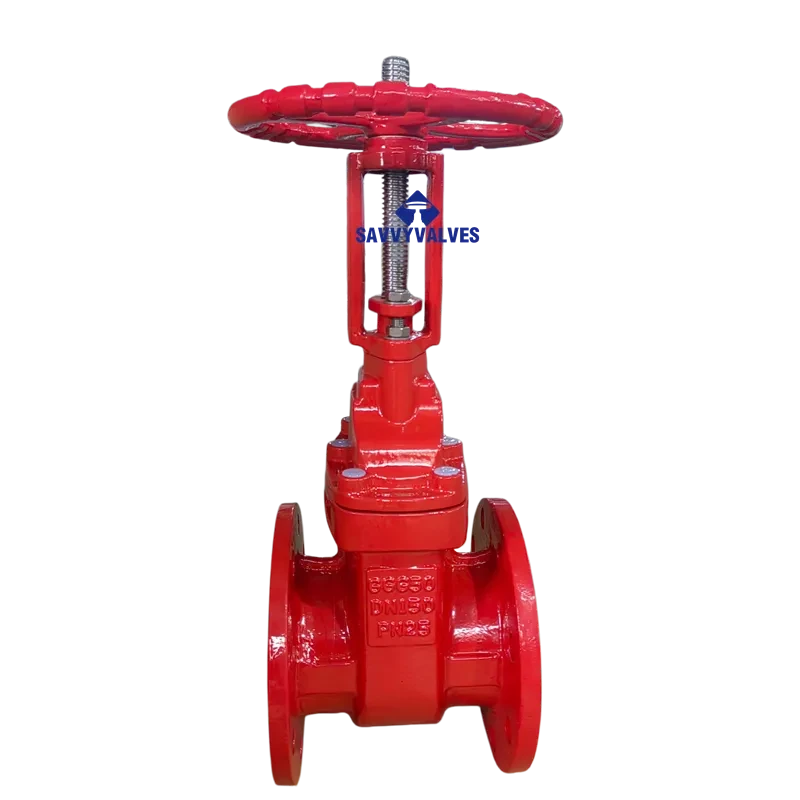 Nominal Size DN150 (6″)
Pressure Rating PN25
End Connection Flanged Ends
Flange Standard EN 1092-2 (Ductile Iron Flanges, Flat Face / Raised Face)
Face-to-Face Dimension EN 558 Series 1 (or DIN 3202 F4)
Design & Manufacture Standard EN 1171
Test & Inspection Standard EN 12266-1
-
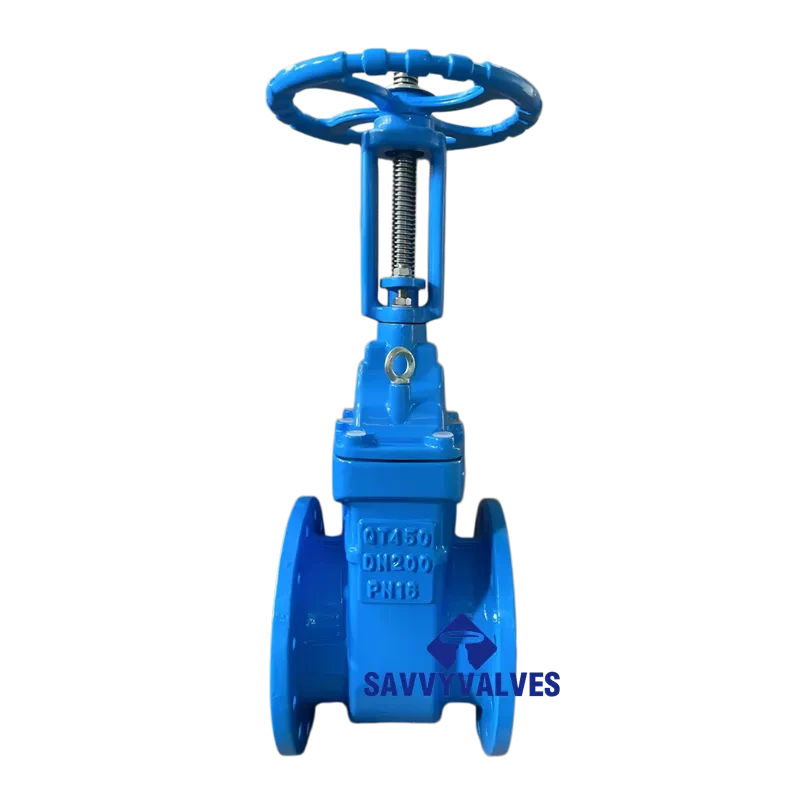 • Product: Flanged End, Outside Screw and Yoke (OS&Y), Solid Wedge Gate Valve
• Seat Type: Bronze-to-Bronze Metal Seated (Metal-to-Metal)
• Operation: Handwheel (Manual)
• Visual Indication: Rising Stem (stem position shows open/closed status)
• Design Standard: BS 5150 / BS 5163 (Metal-seated variant)
• Ends: Flanged to BS 4504 / EN 1092-2
• Face-to-Face: BS 2089 or EN 558-1 Series 3 (short pattern)
• Test Standard: BS 6755 / EN 12266-1
-
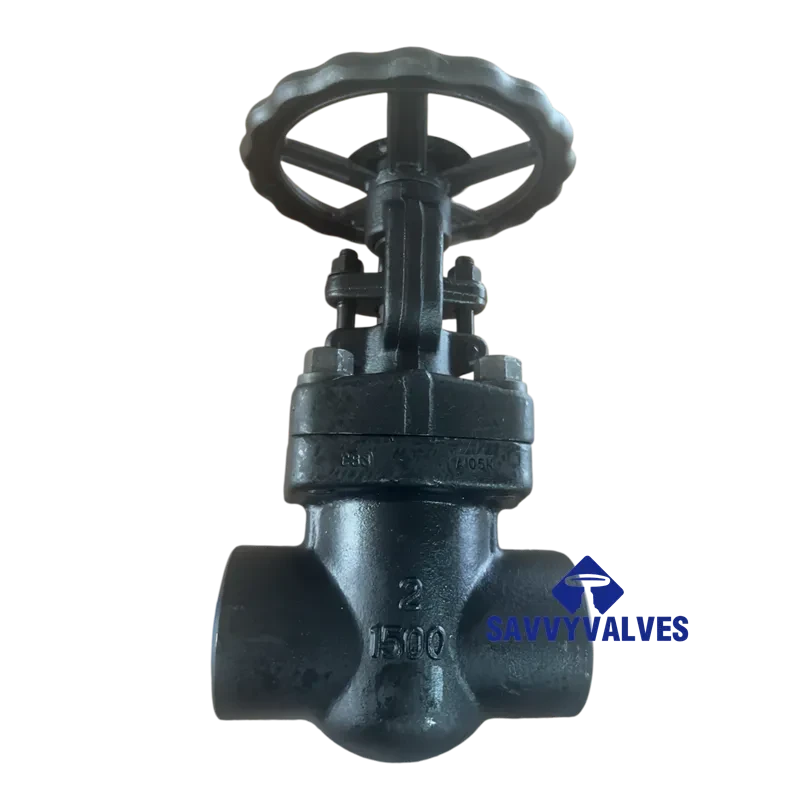 Design Standard API 602 / ASME B16.34
Nominal Size 2 inch (DN50)
Pressure Class Class 1500 LB (PN250)
Bonnet Type OS&Y (Outside Screw and Yoke)
Connection Type Welding Ends (Socket Weld SW / Butt Weld BW)
Operation Handwheel
-
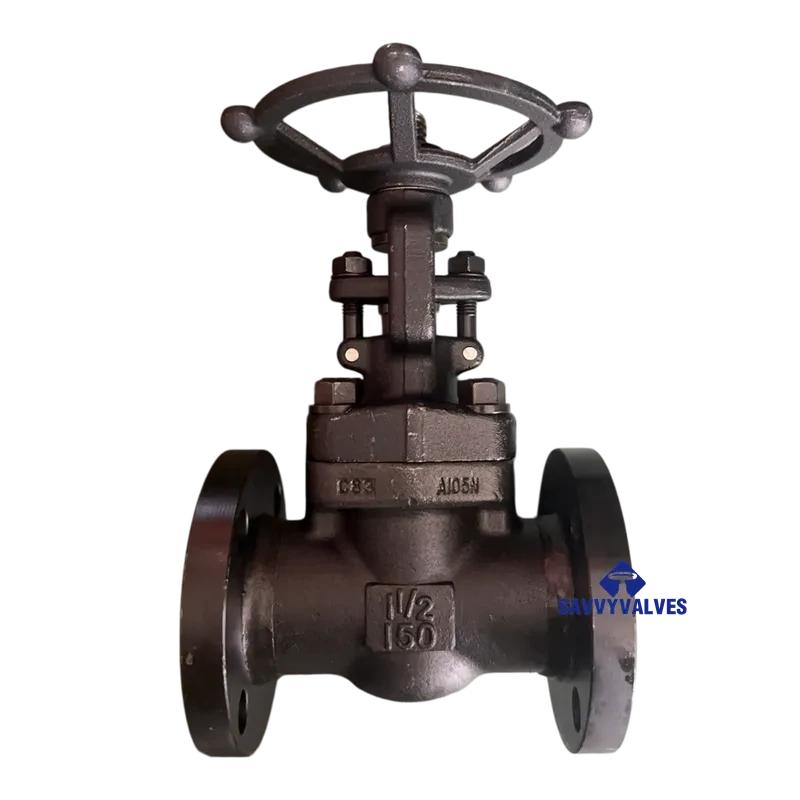 Design Standard API 602 / ASME B16.34 / BS 5352
Face-to-Face Dimension ASME B16.10
End Connections Flanged (RF) per ASME B16.5 / Threaded NPT per ASME B1.20.1 / Socket Weld per ASME B16.11
Pressure Rating Class 150 (PN 20)
Pressure-Temperature Rating ASME B16.34
Inspection & Testing API 598 / ISO 5208
Marking MSS SP-25
Structure Type Bolted Bonnet / OS&Y (Outside Screw and Yoke)
Bonnet Design Bolted Bonnet with Spiral Wound Gasket
-
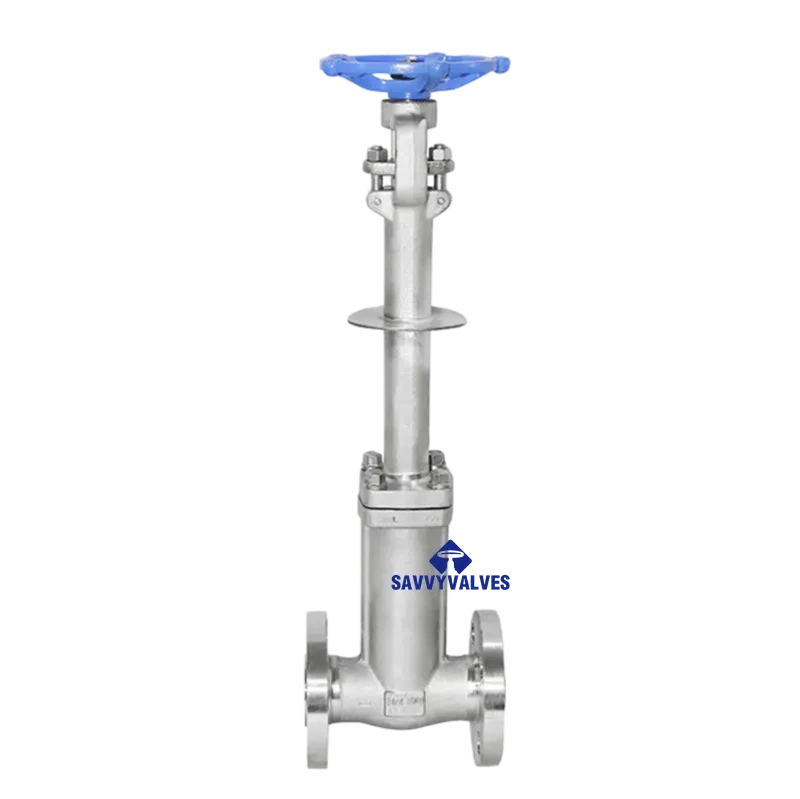 Product Name: Cryogenic Bellows Seal Gate Valve
Connection: Flanged Ends (ASME B16.5)
Nominal Size: 1.5 inches (DN40)
Pressure Rating: Class 300 LB
Body Material: Stainless Steel (CF8 / CF8M / CF3M)
-
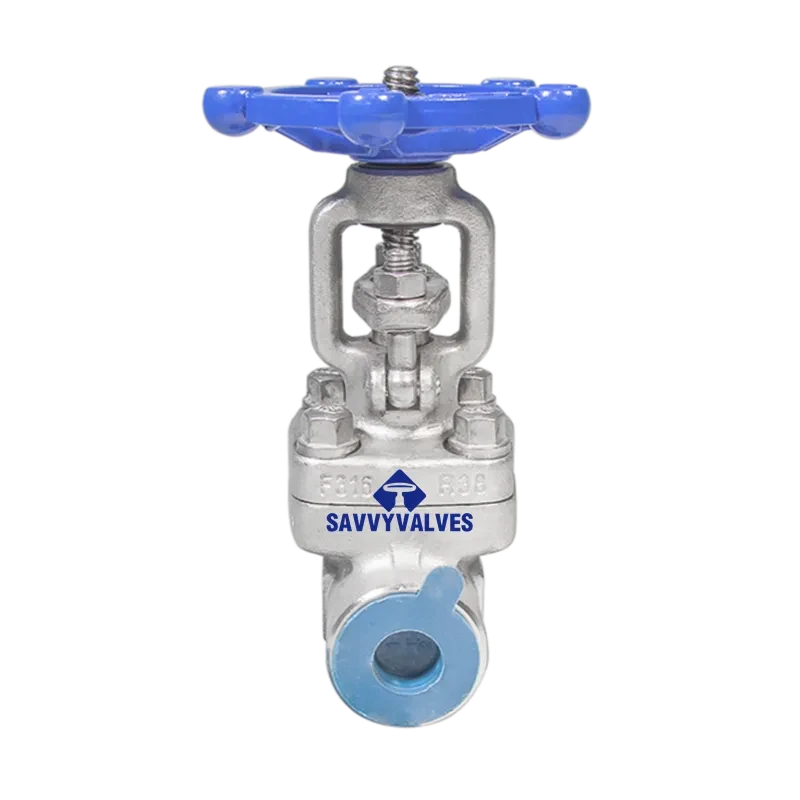 Size 1/2 inch (DN15)
Pressure Class 2000 PSI (Class 2000)
Working Pressure 2000 PSI @ 100°F (approx. 138 bar @ 38°C)
Temperature Range -29°C to 425°C (-20°F to 800°F) * (Dependent on sealing material)*
Connection Ends NPT Threads (ASME B1.20.1) / Socket Weld (SW) (ASME B16.11)
Operation Handwheel
Stem Type OS&Y (Outside Screw and Yoke) or Non-rising Stem
-
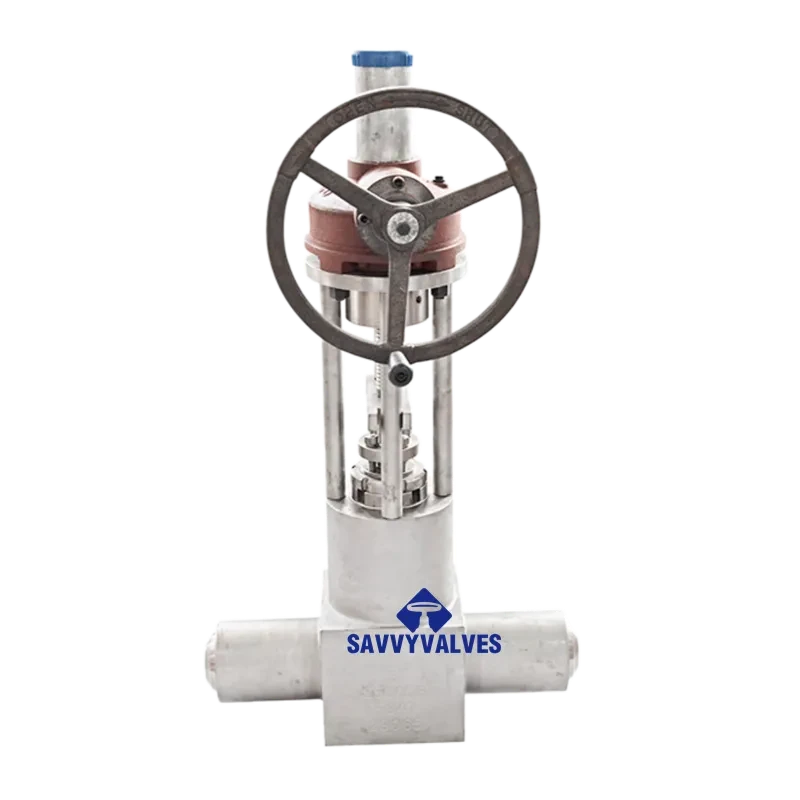 Size 3 inches (DN 80)
Pressure Class Class 2500 (PN 420)
Body Material Forged Steel A105 (CS) / F304/F316 (SS) / F22 (Alloy) User specified
Manufacturing Process Open Die Forged / Hammer Forged
Design Standard API 602, ASME B16.34
End Connection Standard ASME B16.25 (Butt-weld ends)
Face to Face Standard ASME B16.10 (BW ends)
Test & Inspection Std. API 598
-
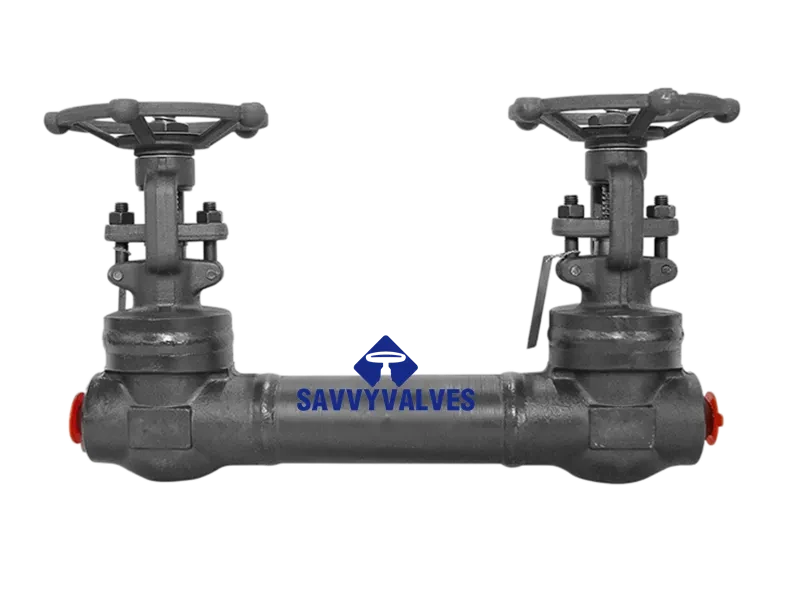 Nominal Size 1 inch (DN 25) per valve; assembly size based on common inlet/outlet
Pressure Class Class 2500LB (equivalent to PN 420 bar)
End Connections Butt Weld (BW) – inlet and outlet ends
Configuration Two gate valves welded body-to-body
Structure Type Outside Screw & Yoke (OS&Y), solid wedge or flexible wedge (per service)
Operation Each valve independently operated (handwheels or gear operators as required)
Una valvola a saracinesca è un tipo di valvola utilizzata per interrompere o consentire completamente il flusso in una condotta sollevando o abbassando una barriera solida (la saracinesca) nel percorso del fluido. È progettata principalmente per il controllo on/off piuttosto che per la regolazione del flusso. Quando la valvola è completamente aperta, la saracinesca si solleva completamente, consentendo un flusso senza ostacoli con una caduta di pressione minima. Quando è chiusa, la saracinesca si sigilla ermeticamente per interrompere completamente il flusso. Le valvole a saracinesca sono più efficaci nei sistemi in cui la valvola rimane completamente aperta o completamente chiusa per periodi prolungati. Non sono ideali per scopi di strozzamento perché la saracinesca parzialmente aperta può vibrare, causando usura e potenzialmente danneggiando la valvola. Queste valvole sono ampiamente utilizzate in sistemi di approvvigionamento idrico, oleodotti e gasdotti e applicazioni industriali grazie alla loro struttura robusta e alla capacità di gestire pressioni e temperature elevate. I materiali comuni includono ghisa, acciaio inossidabile e ottone, con opzioni su misura per fluidi e ambienti specifici. Le valvole a saracinesca sono note per la loro durata, la tenuta stagna e la lunga durata, il che le rende la scelta preferita in molte applicazioni gravose.


 Italian
  English
  Arabic
  Azerbaijani
  Czech
Czech  Dutch
Dutch  French
  German
  Indonesian
  Japanese
  Korean
  Malay
Malay  Persian
  Polish
  Portuguese
  Russian
  Spanish
  Thai
Thai  Vietnamese